Dining Area
Budapest, Hungary
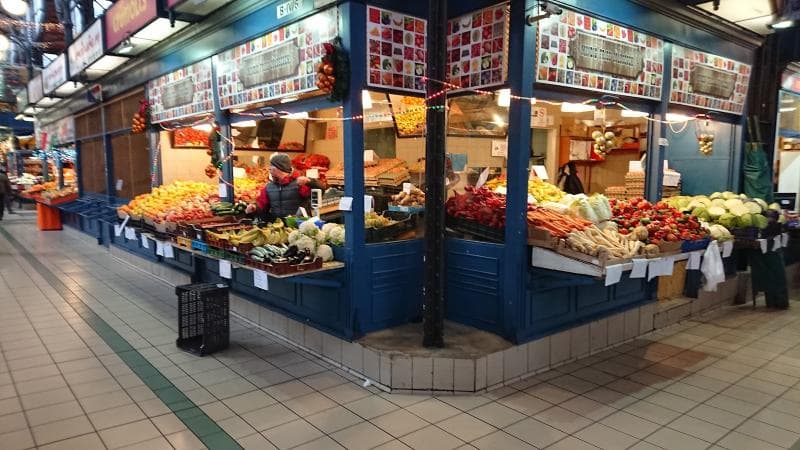
Discover the vibrant dining area of Budapest's Central Market Hall. Savor authentic Hungarian dishes like Lángos, goulash, and strudel.
Overview
Stepping onto the upper floor of Budapest's Central Market Hall, also known as Nagyvásárcsarnok, is like entering a vibrant culinary gallery where the aromas of Hungarian gastronomy fill the air. This expansive mezzanine level is where the market's pulse truly comes alive for food enthusiasts, offering a bustling hub of food stalls and traditional eateries. It's a place where both locals and travelers gather to enjoy hearty meals and quick, authentic bites.
Unlike the fresh produce and meat stalls on the ground floor, or the pickled delights in the basement, the upper level is dedicated to satisfying appetites with prepared Hungarian specialties. Here, you can immerse yourself in a casual dining experience, surrounded by the architectural grandeur of the 19th-century building and the lively chatter of market-goers. It's often recommended to visit during lunch hours for the freshest dishes and a truly vibrant atmosphere.
History & Cultural Background
The Central Market Hall itself is a cornerstone of Budapest's history, opened in 1897 to revolutionize the city's food supply with improved hygiene and organization. Designed by the renowned architect Samu Pecz, its grand neo-Gothic structure, impressive iron framework, and distinctive colorful Zsolnay tiled roof make it an architectural marvel. From its inception, the market quickly became the heart of Budapest's food trade, playing a crucial role in shaping the city's culinary landscape. The dining area on the upper floor represents a continuation of this rich tradition, providing a space where Hungarian culinary heritage can be savored and shared, reflecting everyday eating habits and regional food traditions.
What Makes It Special
What truly sets the dining area apart is its commitment to authentic Hungarian flavors served in an informal, lively setting. Here, you will find an extensive array of traditional dishes that are staples of Hungarian cuisine. The undisputed king of Hungarian street food, lángos, is a must-try – a deep-fried dough typically topped with sour cream and cheese, offering a delightful combination of crispiness and chewiness. Another iconic offering is goulash, served as a rich, hearty soup. You can also indulge in various Hungarian sausages, such as hurka and kolbász, often accompanied by mustard and fresh bread.
Beyond these savory delights, the market's dining area also offers sweet treats like freshly made strudels (rétes) with fillings ranging from apple to sour cherry, and the beloved chimney cake (kürtőskalács), a sweet pastry baked over charcoal. For a more substantial meal, look for chicken paprikash with dumplings, stuffed cabbage, or lecso. To complete the culinary journey, you can pair your meal with a Hungarian beer, a glass of Tokaji wine, or even a shot of pálinka.
Stories, Fun Facts & Local Details
The dining area of Central Market Hall embodies a vibrant intersection of culture and community. While it has become a major tourist attraction, it remarkably retains its appeal to locals, making it a living, breathing part of Budapest's daily life. Imagine the market as a canvas of sensory experiences, from the vibrant colors of the Zsolnay tiles on the roof to the enticing aromas emanating from each food stall. It's a place where, historically, the quality of food was guaranteed through inspection, a progressive idea for its time, and this commitment to quality continues to be reflected in the fresh ingredients used in the dishes served upstairs. Though the market was once criticized for increasing prices after its inauguration, today it offers a chance to experience traditional Hungarian meals at reasonable prices, especially if you navigate past the most crowded central aisles. The convivial atmosphere, with communal tables and the constant buzz of conversation, adds to the charm, making each meal feel like a genuine local experience.
Visitor Perspective
For a curious traveler, the dining area on the upper floor of Central Market Hall offers more than just a meal; it's an immersive cultural experience. Expect a bustling environment, especially during peak lunch hours, where finding a seat can be part of the adventure. It's a casual setting, often with cafeteria-style service, allowing you to observe the diverse array of dishes before making your choice. Carrying some Hungarian Forints (HUF) is advisable, as while many stalls accept cards, smaller vendors or those selling traditional items may prefer cash. Visiting earlier in the morning can help avoid the biggest crowds, providing a slightly calmer experience. After your meal, you can easily explore the adjacent souvenir shops offering traditional crafts, embroidery, and other Hungarikums, rounding out your market visit with cultural insights and unique keepsakes.
Coordinates: 19.0577, 47.4862
View on Google Maps💬 How Travelers Describe This Place
Based on community votes
Photogenic
551Interesting
547Unique
336Beautiful
219Must See
186
Traveler Stories
Discover memorable experiences shared by travelers who have visited this place.
No traveler stories yet.
Be the first traveler to share what made this place memorable.

Tour
By
Spot
Discover amazing places around the world. Your journey starts here.
Explore
© 2026 TourBySpot. All rights reserved.