Diana Fountain
Lviv, Ukraine
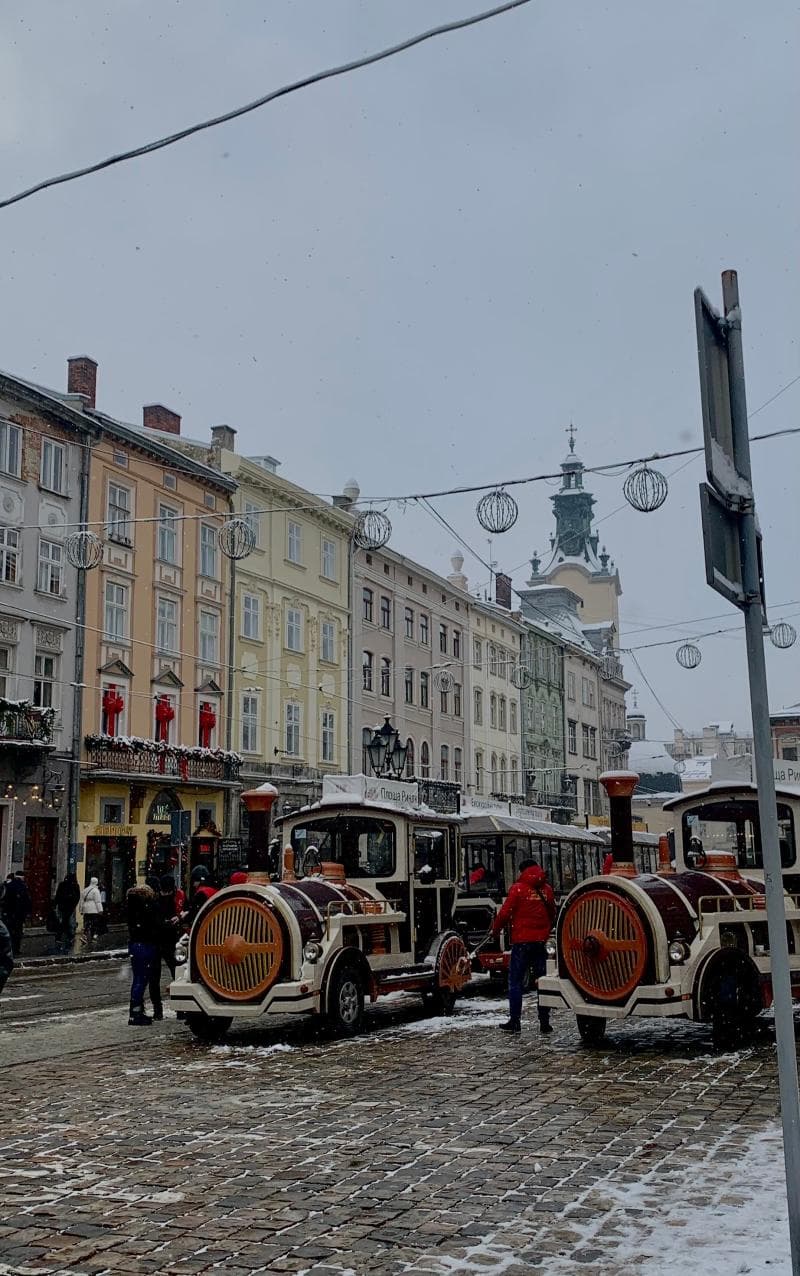
Discover the Diana Fountain in Lviv's historic Market Square, Ukraine. A classical masterpiece from the early 19th century, depicting the goddess of the hunt.
Overview
In the heart of Lviv, Ukraine, within the magnificent expanse of Market Square, stands a charming and historically significant landmark: the Diana Fountain. Positioned gracefully in the square's southeast corner, this exquisite fountain is one of four classical sculptures that adorn the venerable Rynok Square, each depicting a figure from ancient mythology. It presents a captivating tableau of Diana, the Roman goddess of the hunt, accompanied by her loyal hounds, a sight that has charmed visitors and locals alike for over two centuries.
The Diana Fountain, like its three counterparts—Neptune, Amphitrite, and Adonis—serves not only as an aesthetic focal point but also as a testament to Lviv's rich cultural and historical tapestry. Its presence contributes to the unique atmosphere of Market Square, which was recognized as a UNESCO World Heritage Site in 1998, celebrating its exceptional preservation and cultural importance.
History & Cultural Background
The origins of the Diana Fountain are intertwined with the development of Lviv's water supply system. While central city water was historically unsuitable for all, a sophisticated plumbing system using spring water from outside the city was established as early as 1407. Early wells were eventually built in the corners of Market Square to provide water.
The current fountains, including Diana's, have roots dating back to 1793, when new wells were constructed. However, the iconic sculptures that crown these wells were added later. The statue of Diana, along with Neptune, Amphitrite, and Adonis, was created between 1810 and 1814, with initial mentions in historical sources appearing in 1815. These remarkable works are attributed to Hartman Witwer (1774-1825), a Lviv architect of Austrian origin, whose classical style profoundly shaped the square's aesthetic.
The statues were conceived as allegories: Diana and Adonis represent the earth, while Neptune and Amphitrite symbolize water. This thematic division speaks to a deeper connection between the city's essential resources and the enduring myths that once permeated European culture. The installation of these fountains marked a significant moment in the square's history, solidifying its role as a civic and cultural center.
What Makes It Special
What truly sets the Diana Fountain apart is its exquisite artistry and the narrative it embodies. The sculpture features Diana, the goddess of the hunt, captured in a dynamic pose, often depicted with a bow and arrow, accompanied by two watchful dogs at her feet. The entire structure is set within an octagonal stone basin, which itself rests upon a pavement designed as a star lined with contrasting red and black stone, adding to its visual appeal.
The classical elegance of Witwer's work makes the Diana Fountain a highlight among the square's many architectural treasures. Its detailed craftsmanship allows for a glimpse into the classical revival period in Lviv, a time when European art and architecture drew heavily from ancient Greek and Roman influences. The fountain is not merely a static monument; it is a piece of living history, constantly interacting with the vibrant life of Market Square.
Stories, Fun Facts & Local Details
The Diana Fountain is more than just a historical artifact; it's a cherished part of Lviv's contemporary culture, woven into the city's daily life and traditions. A delightful local tradition involves Lviv residents adorning the statues, including Diana, with traditional Ukrainian embroidered shirts, known as 'vyshyvankas,' during holidays. This practice transforms the ancient figures into participants in modern celebrations, bridging centuries of history with contemporary national pride.
Moreover, the fountain's enduring appeal is evidenced by its role in local commerce. For instance, one of the popular cafes in central Lviv proudly bears a name reflecting its proximity to this landmark: 'Near Diana in the Market.' This casual integration into everyday life highlights how deeply the fountain is embedded in the city's identity and its residents' affection.
Visitor Perspective
For any traveler exploring Lviv's Market Square, the Diana Fountain offers a moment of reflective beauty amidst the lively bustle. It is an invitation to pause, observe, and connect with the layers of history that define this ancient city. Standing before the fountain, one can almost hear the echoes of past centuries – merchants trading, townspeople gathering for water, and artists finding inspiration in its classical form. It serves as an excellent spot for photography, capturing both the intricate details of the sculpture and the vibrant backdrop of the square's historic buildings.
The Diana Fountain encourages curious travelers to delve deeper into Lviv's narrative, sparking an interest in the mythological tales it portrays and the historical context of the city itself. It is a place where every glance reveals something new, a true gem that enhances the overall experience of one of Europe's most charming and historically rich city squares.
Coordinates: 24.031582, 49.841362
View on Google Maps💬 How Travelers Describe This Place
Based on community votes
Beautiful
680Photogenic
653Unique
588Interesting
566Must See
432
Traveler Stories
Discover memorable experiences shared by travelers who have visited this place.
No traveler stories yet.
Be the first traveler to share what made this place memorable.

Tour
By
Spot
Discover amazing places around the world. Your journey starts here.
Explore
© 2026 TourBySpot. All rights reserved.