Decorative Calligraphy
Pristina, Kosovo
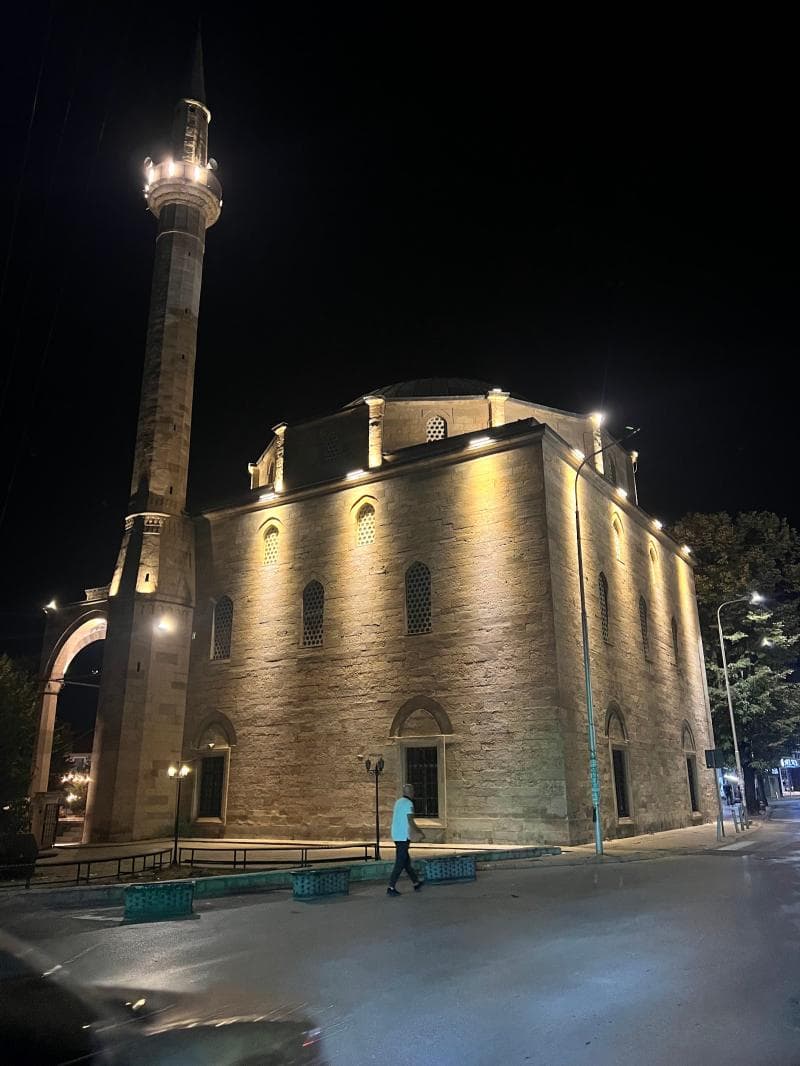
Discover the profound decorative calligraphy at Pristina's Imperial Mosque, a 15th-century Ottoman masterpiece in Kosovo.
Overview
Nestled in the heart of Pristina, Kosovo, the Imperial Mosque, also known as the Sultan Mehmet Fatih Mosque or King's Mosque, stands as a testament to Ottoman architectural grandeur and artistic devotion. While the mosque itself is a monument of exceptional importance, a sub-spot that captivates many visitors is its exquisite decorative calligraphy. This intricate art form, integral to Islamic aesthetics, adorns the mosque's interior, transforming its walls and spaces into a canvas of spiritual expression. The calligraphy here is not merely decorative; it is a profound visual articulation of faith, history, and cultural identity, inviting a moment of quiet contemplation for all who encounter it.
History & Cultural Background
The Imperial Mosque was constructed in 1461 under the patronage of Sultan Mehmed II the Conqueror, marking the arrival and establishment of Ottoman influence in Pristina. As one of the earliest and most significant Ottoman structures in the region, it quickly became a central pillar of the city's social and spiritual life, shaping its urban development and introducing Islamic traditions. Islamic calligraphy, often referred to as the highest art form in the Muslim world, developed as a venerated means of expressing the divine word and preserving sacred texts. Within Ottoman architecture, calligraphy flourished, serving not only to beautify structures but also to convey religious messages, historical dedications, and poetic verses. The mosque's design reflects the Bursa school of Ottoman architecture, featuring a majestic dome and a tall, slender minaret, all built primarily with carved yellow sandstone. The decorative elements, including the calligraphy, are a crucial part of its original 15th-century character, retaining architectural, structural, and decorative features from its construction time.
What Makes It Special
The decorative calligraphy within the Imperial Mosque is a stunning example of Islamic artistry, distinguished by its meticulous detail and profound spiritual resonance. Upon entering, visitors are greeted by an Arabic inscription above the entry portal, meticulously penned in six rows, which precisely records the mosque's construction date as 1461. Beyond this historical marker, the interior walls and other surfaces are adorned with a rich tapestry of decorative paintings, featuring intricate geometric and detailed floral designs. These plant motifs, often applied using the 'al Seko' technique, create a vibrant yet serene atmosphere. The calligraphy integrates seamlessly with these patterns, presenting verses from the Quran or other sacred texts in elegant scripts. This combination of calligraphic art and ornamental motifs creates a unified visual language that elevates the spiritual experience of the space, making the mosque not just a place of worship but a living gallery of devotion and craftsmanship.
Stories, Fun Facts & Local Details
The Imperial Mosque has witnessed centuries of change and fascinating episodes. During the Austro-Turkish wars in the late 17th century, it was temporarily converted into a Catholic church by the Austrian occupants. Notably, the prominent Albanian writer Pjetër Bogdani was buried here during this period, though his remains were later exhumed and cast into the street when the Ottomans regained control. Another interesting local detail speaks to the historical connection between the mosque and the nearby Great Hamam. Legend has it that Sultan Mehmed II, a stickler for hygiene, mandated that the mosque's builders perform ablutions in the hamam twice daily, ensuring the construction proceeded cleanly and with blessings. These stories, though not directly about the calligraphy, highlight the mosque's enduring presence and its deep intertwining with the city's broader historical and cultural narrative, adding layers of meaning to every element within, including the silent but eloquent calligraphic expressions.
Visitor Perspective
For the curious traveler, encountering the decorative calligraphy at the Imperial Mosque is a journey into an art form that transcends mere aesthetics. As you step inside, the sense of serenity is immediate, a stark contrast to the bustling city outside. The detailed calligraphy, together with the geometric and floral patterns, invites a closer look, revealing the painstaking effort and artistic skill involved. Observing these ancient inscriptions and motifs can evoke a profound connection to history and faith, offering a peaceful moment for reflection. Visitors are encouraged to dress modestly, respecting the mosque's sacred nature, and to visit outside of prayer times to fully appreciate the tranquil beauty of its interiors. The calligraphy serves as a silent guide, whispering tales of a rich past and a vibrant cultural heritage, making a visit to this historical gem a truly meaningful experience.
Coordinates: 21.1670097, 42.6669856
View on Google Maps💬 How Travelers Describe This Place
Based on community votes
Beautiful
585Unique
546Photogenic
503Interesting
92Must See
56
Traveler Stories
Discover memorable experiences shared by travelers who have visited this place.
No traveler stories yet.
Be the first traveler to share what made this place memorable.

Tour
By
Spot
Discover amazing places around the world. Your journey starts here.
Explore
© 2026 TourBySpot. All rights reserved.