Danish Golden Age Art
Copenhagen, Denmark
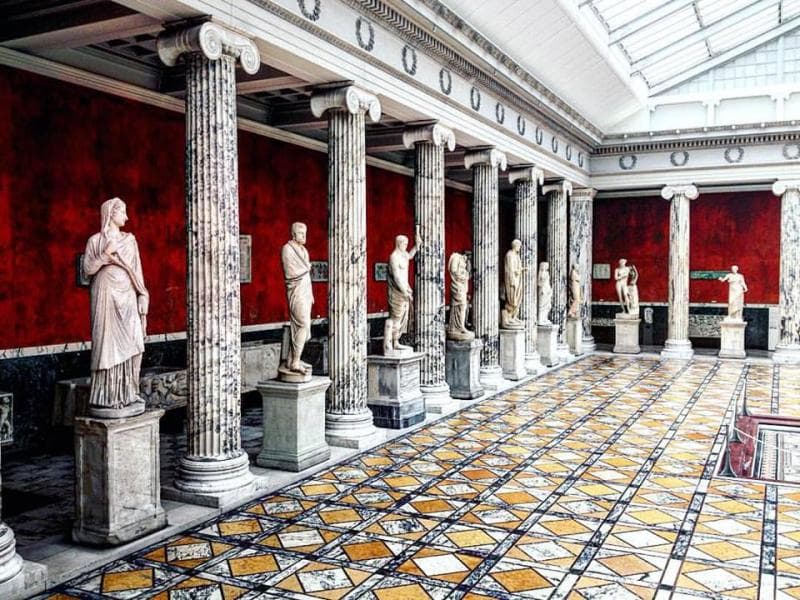
Discover Danish Golden Age Art at Ny Carlsberg Glyptotek in Copenhagen, Denmark. Explore 19th-century paintings and sculptures reflecting national identity and everyday life.
Overview
Step into a captivating era at the Ny Carlsberg Glyptotek in Copenhagen, where the Danish Golden Age Art collection awaits. This unique segment of the museum transports visitors to a flourishing period in Danish history, roughly spanning the first half of the 19th century, characterized by an extraordinary burst of creativity in painting, sculpture, literature, and science. The Glyptotek's collection offers a profound insight into this pivotal time, showcasing works that reflect a newfound national identity and a deep connection to Danish landscapes and everyday life.
Amidst its broader collections of ancient and modern art, the Danish Golden Age display stands out for its serene beauty and historical significance. It features significant paintings and sculptures that capture the spirit of an age when Danish artists, despite national hardships, turned inward to celebrate their homeland with a distinctive blend of realism and idealism.
History & Cultural Background
The Danish Golden Age emerged from a period of profound national crisis in the early 19th century. Denmark faced fires, bombardment of Copenhagen, national bankruptcy, and the loss of Norway. Yet, from these ashes, a remarkable cultural renaissance bloomed, driven by Romanticism from Germany and a strong desire to reaffirm national identity.
This era, traditionally dated from around 1800 to 1850 or extending to 1864, saw artists, writers, and scientists contribute to a uniquely Danish cultural expression. Painting, in particular, flourished under figures like Christoffer Wilhelm Eckersberg, often regarded as the father of Danish painting, who taught at the Royal Academy of Fine Arts. His students, including Christen Købke, Martinus Rørbye, and Wilhelm Marstrand, went on to define the Golden Age's artistic style. Their art often moved away from grand historical themes towards intimate genre scenes, portraits of the rising bourgeoisie, and evocative landscapes of the Danish countryside, imbued with a quiet sense of national pride.
What Makes It Special
The Danish Golden Age Art collection at the Glyptotek is distinguished by its comprehensive representation of this pivotal period, offering visitors a window into a time when Danish art truly found its unique voice. The works exemplify a 'rational aesthetic,' focusing on picturesque Danish landscapes rather than the sublime and spectacular seen in other Romantic art. This collection allows for a deep appreciation of the 'Eckersberg school' and its emphasis on meticulous detail, light, and composition, often depicting serene views and domestic life.
It showcases the blend of international Neoclassicism with an inward-looking Romanticism, creating an 'idealized realism' that prefigured modernism. The Glyptotek houses an extensive collection of Danish Golden Age paintings and is particularly noted for its significant representation of Danish Golden Age sculpture, providing a holistic view of the artistic output of the era.
Stories, Fun Facts & Local Details
The term 'Golden Age' itself was used to strengthen national feeling after Denmark's defeat in 1864, painting a picture of a glorious past. Artists of the Golden Age often found inspiration in their immediate surroundings, transforming everyday scenes and familiar Danish landscapes into captivating works of art. For instance, painters like Johan Thomas Lundbye were celebrated for their depictions of the Danish countryside, integrating elements like ancient burial mounds to evoke a connection to the nation's proud ancestors.
Despite the national turmoil, the rising wealthy bourgeois class in Copenhagen became important patrons, ensuring a clientele for artists and fostering a vibrant cultural scene. This led to a focus on portraits and intimate family circles, with artists often portraying children to highlight the values of Danish culture. The Glyptotek, founded by brewer Carl Jacobsen, reflects this patronage, bringing together such significant cultural artifacts for public appreciation.
Visitor Perspective
Exploring the Danish Golden Age Art at Ny Carlsberg Glyptotek is an intimate journey into Denmark's cultural heart. The collection's focus on familiar motifs and tranquil scenes creates a contemplative atmosphere, inviting visitors to pause and appreciate the beauty in the ordinary. The meticulous detail in the paintings, from the quality of light in a domestic interior to the textures of a rural landscape, draws you closer, revealing the artists' deep affection for their homeland.
As you wander through the galleries, you'll encounter a sense of quiet grandeur and earnest dedication. It's an opportunity to connect with the resilience and spirit of a nation that, despite adversity, fostered a profound artistic flourishing. The collection is presented in a way that allows for both broad appreciation and detailed examination, making it a rewarding experience for any curious traveler interested in the nuanced history and artistry of Denmark.
Coordinates: 12.571944, 55.6725
View on Google Maps💬 How Travelers Describe This Place
Based on community votes
Unique
989Beautiful
613Photogenic
603Interesting
581Must See
207
Traveler Stories
Discover memorable experiences shared by travelers who have visited this place.
No traveler stories yet.
Be the first traveler to share what made this place memorable.

Tour
By
Spot
Discover amazing places around the world. Your journey starts here.
Explore
© 2026 TourBySpot. All rights reserved.