Cultural Performance Stage
Bali, Indonesia
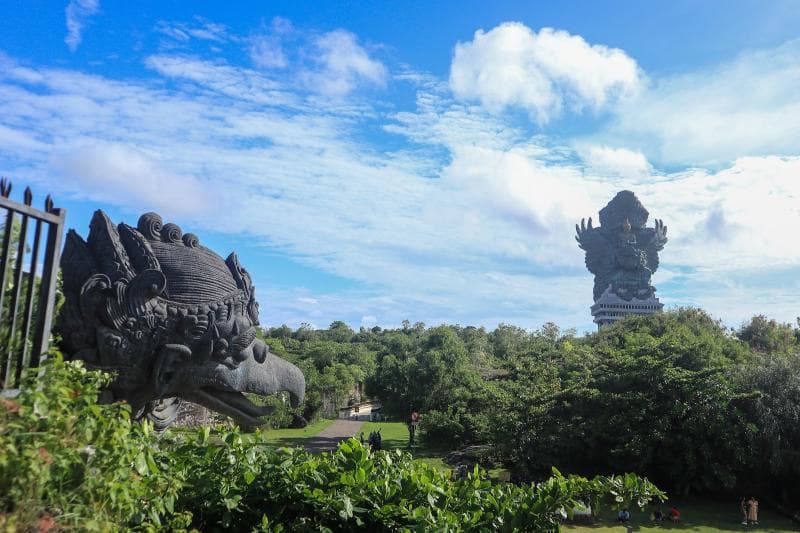
Immerse yourself in Bali's vibrant culture at the Cultural Performance Stage, Garuda Wisnu Kencana Cultural Park, Indonesia. Witness traditional dances and captivating shows.
Overview
Deep within the expansive grounds of the Garuda Wisnu Kencana Cultural Park in Bali, Indonesia, lies a vibrant heart of traditional artistry: the Cultural Performance Stage. This dedicated venue serves as a focal point for showcasing Bali's rich and diverse performing arts, offering visitors an immersive journey into the island's captivating cultural heritage. Every day, the stage comes alive with an array of spectacular performances, ranging from ancient ceremonial dances to dynamic theatrical shows, all set against the breathtaking backdrop of the park's monumental statues and sprawling landscapes. It's a place where the spiritual and artistic essence of Bali is presented with authenticity and grandeur, providing an accessible window into centuries of tradition and storytelling. Visitors can anticipate experiencing traditional music, dramatic dance, and cultural parades that reflect the soul of Indonesia.
History & Cultural Background
The Cultural Performance Stage is inextricably linked to the broader vision of Garuda Wisnu Kencana Cultural Park itself. Initiated in the 1990s by renowned sculptor I Nyoman Nuarta, the park was conceived as a monumental work of art representing the greatness of Indonesian culture, culminating in the iconic statue of the Hindu god Vishnu riding the mythical bird Garuda. This colossal statue, standing proudly at 121 meters, symbolizes wisdom, protection, courage, and loyalty, drawing inspiration from Hindu mythology and the epic search for the elixir of life, Amrita. The park, spanning 60 hectares, was designed not just as a tourist attraction but as a vital center for cultural preservation and education. The performances staged here serve to strengthen national identity and educate generations about Indonesia's tangible and intangible cultural heritage, including its traditional dances, music, rituals, and monumental artworks.
What Makes It Special
What truly sets the Cultural Performance Stage apart is its unique combination of traditional artistry and a grand setting. Unlike performances in more intimate village settings, these shows are often presented with the majestic Garuda Wisnu Kencana statue as a backdrop, especially the evening Kecak dance. The park offers a variety of performances, ensuring there's always something new to discover. These include the powerful Kecak Garuda Wisnu dance, which retells the legendary bond between Garuda and Lord Wisnu through rhythmic chants, and the traditional Barong dance, depicting the eternal struggle between good and evil. Other captivating performances feature the graceful Sekar Jepun dance, symbolizing beauty and hospitality, and the Jauk Keras dance, portraying powerful characters with dramatic movements. The fusion of elaborate costumes, vibrant choreography, live traditional music like Gong Suling with its soothing bamboo flutes, and dramatic storytelling makes each performance a mesmerizing experience.
Stories, Fun Facts & Local Details
The performances on the Cultural Performance Stage are rich with narrative and symbolism. The Kecak dance, often called the 'fire dance', is a mesmerizing chorus of male dancers chanting 'cak-cak-cak' while enacting scenes from the Ramayana epic. The GWK version uniquely focuses on the bond between Garuda and Wisnu. The Barong dance is another cornerstone, featuring a mythical lion-like creature representing good, constantly battling Rangda, the demon queen of evil. This eternal struggle embodies the Balinese philosophical concept of Rwa Bhineda, the balance between opposing forces in the universe. A lesser-known but equally enchanting performance is the Oleg Tamulilingan, a romantic duet symbolizing the graceful courtship of two bumblebees, expressing natural harmony. These performances aren't just entertainment; they are living traditions, passed down through generations, often incorporating elements of sacred rituals and community storytelling. The elaborate costumes, intricate make-up, and precise movements all contribute to conveying deep cultural meanings, making every gesture and sound a part of a larger, spiritual narrative.
Visitor Perspective
For any traveler to Bali, witnessing a performance at the Cultural Performance Stage is an essential cultural immersion. Performances run daily from morning till night, offering flexibility for visitors to plan their day. Many suggest visiting in the late afternoon to enjoy cooler weather and stay for the evening shows, especially the Kecak dance, which perfectly complements the sunset over the park. The main performance venues include the Amphitheater and the Festival Park, designed to provide maximum comfort and excellent views for the audience. Tickets to the park often include access to these daily cultural performances, making it a convenient way to experience a variety of Balinese arts in one location. It's advisable to check the daily schedule upon arrival or on the official GWK website to catch specific shows of interest. The experience is not merely passive viewing; it's an opportunity to connect with the heart and soul of Balinese traditions, leaving visitors with a deeper appreciation for the island's vibrant culture.
Coordinates: 115.166882, -8.813951
View on Google Maps💬 How Travelers Describe This Place
Based on community votes
Beautiful
953Unique
658Photogenic
585Interesting
69Must See
22
Traveler Stories
Discover memorable experiences shared by travelers who have visited this place.
No traveler stories yet.
Be the first traveler to share what made this place memorable.

Tour
By
Spot
Discover amazing places around the world. Your journey starts here.
Explore
© 2026 TourBySpot. All rights reserved.