Cultural Events
Vilnius, Lithuania
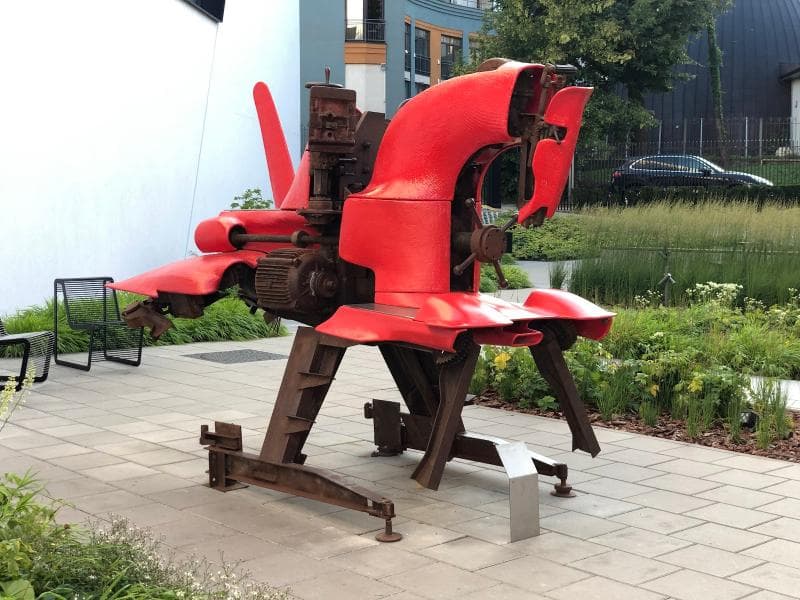
Discover the vibrant cultural events at MO Museum in Vilnius, Lithuania, offering exhibitions, films, workshops, and unique outdoor experiences.
Overview
The MO Museum in Vilnius, Lithuania, is not merely a repository of art; it is a vibrant cultural hub, constantly alive with a diverse array of events designed to engage, educate, and inspire. Nestled in the heart of the city, this modern art museum redefines the traditional museum experience by fostering accessibility and encouraging dynamic dialogue between art and its visitors. The 'Cultural Events' at MO Museum encompass everything from major exhibition openings and film screenings to concerts, educational workshops, and unique outdoor gatherings. Each event is thoughtfully curated to provide a deeper understanding of modern and contemporary Lithuanian art, as well as to spark contemporary conversations on pressing societal issues.
History & Cultural Background
The MO Museum is a testament to private philanthropy, founded by Lithuanian scientists and patrons Danguolė and Viktoras Butkus. It began its journey as an 'art museum without walls' for nearly a decade before its physical establishment, showcasing a deep-rooted commitment to art. Opened to the public on October 18, 2018, the museum houses a significant collection of modern and contemporary Lithuanian artworks spanning from the 1960s to the present day. This collection, recognized as being of 'national significance' in 2011, forms the bedrock for the museum's extensive cultural programming. The museum building itself is an architectural marvel, designed by the internationally renowned architect Daniel Libeskind, and stands as a symbolic cultural gateway connecting Vilnius' historical Old Town with its modern districts.
The events at MO Museum draw heavily from this rich artistic heritage, offering insights into the cultural liberation that followed the Stalin era and the ongoing development of Lithuanian modern art. They are a reflection of Lithuania's evolving cultural identity, presented in a fresh and engaging manner.
What Makes It Special
The cultural events at MO Museum stand out due to their remarkable diversity and interactive nature. One of the signature offerings is 'MOrathons,' weekend-long festivals that accompany the openings of major exhibitions. These immersive events allow visitors to delve into new displays, meet the artists, and participate in discussions with professionals from various fields, often complemented by music, performances, or dance. The 'Art of Being' series offers monthly events with diverse topics, guests, and creative workshops led by artists from the MO Collection, alongside 'Date with an Artwork' sessions where experts interpret single pieces.
During warmer months, the museum extends its programming outdoors with 'MO Outside,' hosting free events in its open-air spaces. These include talks on ecology, poetry readings, sports activities, and even cozy 'MO picnics' exploring themes relevant to modern city dwellers. Beyond these, MO Museum regularly features film screenings, concerts, and educational activities tailored for all age groups, solidifying its role as a dynamic, community-oriented space where art is not just observed but actively experienced.
Stories, Fun Facts & Local Details
A fascinating aspect of the MO Museum's broader cultural outreach is its innovative 'Vilnius Talking Statues' project. Initiated by the museum in 2015, this project transformed 15 local statues into interactive storytellers. By calling a designated number, visitors could hear famous Lithuanian writers and actors voice stories about these sculptures, making Vilnius the fourth city globally to implement such an engaging concept. This initiative beautifully illustrates MO Museum's commitment to making art and culture accessible and personal, even beyond its walls.
The museum is also a pioneer in highlighting the link between art and emotional well-being. Exhibitions often tackle big questions like identity, democracy, and inclusion, encouraging critical thinking and fostering a personal connection with art. During the pandemic, MO Museum launched 'The Climate of the Inner World Matters Just as Much' campaign, advocating for mental health, showcasing its dedication to art's healing power.
Visitor Perspective
For any curious traveler, the cultural events at MO Museum offer an unparalleled opportunity to engage with Lithuanian art and contemporary thought. The museum’s philosophy is built around providing a meaningful and interactive experience, ensuring that every visit feels personal and thought-provoking. Whether attending a vibrant MOrathon, participating in a workshop, or simply enjoying a film screening, visitors are invited to be active participants rather than passive observers.
The varied programming caters to diverse interests, making it a place where individuals of all ages can find something inspiring. The seamless integration of indoor exhibitions with outdoor events on its terraces and sculpture garden creates a welcoming atmosphere that encourages lingering and reflection. The MO Museum truly embodies a modern approach to cultural engagement, making art accessible and fostering a lively dialogue that resonates long after you leave its architecturally striking premises.
Coordinates: 25.277744, 54.67947
View on Google Maps💬 How Travelers Describe This Place
Based on community votes
Must See
839Interesting
445Photogenic
416Beautiful
289Unique
141
Traveler Stories
Discover memorable experiences shared by travelers who have visited this place.
No traveler stories yet.
Be the first traveler to share what made this place memorable.

Tour
By
Spot
Discover amazing places around the world. Your journey starts here.
Explore
© 2026 TourBySpot. All rights reserved.