Cultural Artifacts
Chisinau, Moldova
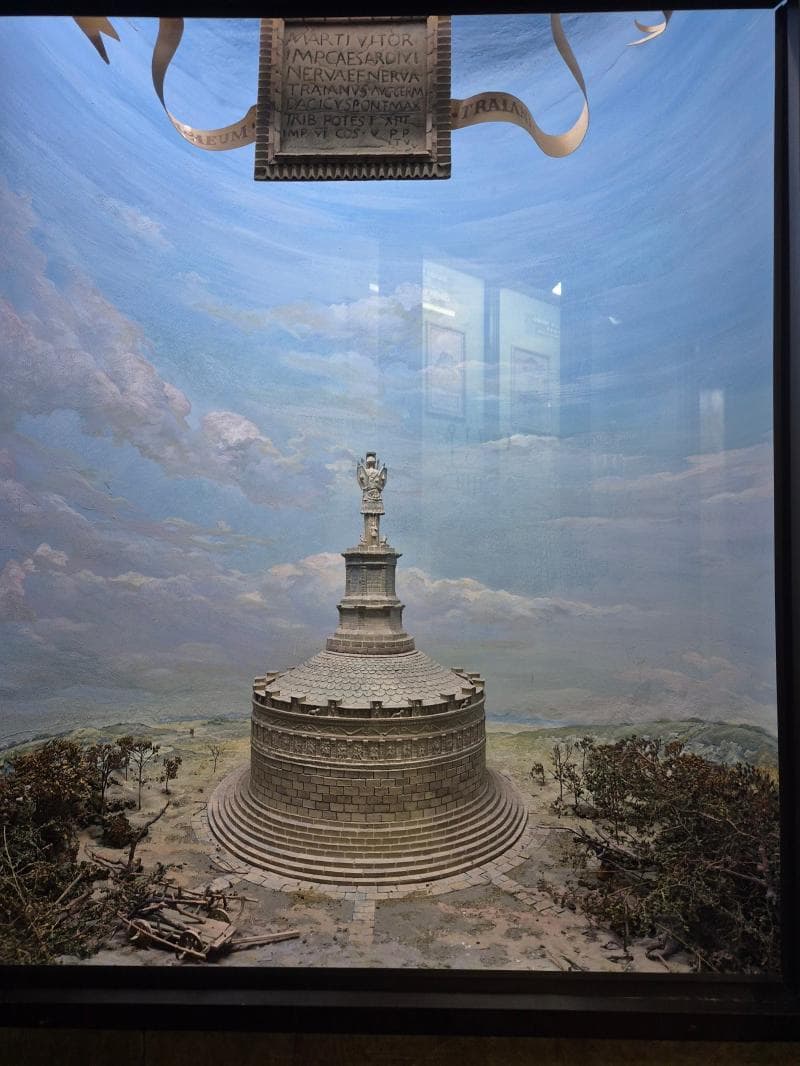
Explore the rich cultural artifacts at the National Museum of Ethnography and Natural History in Chișinău, Moldova, showcasing traditional life, costumes, and crafts.
Overview
Stepping into the National Museum of Ethnography and Natural History in Chișinău, Moldova, transports visitors to a rich tapestry of Moldovan heritage. While often noted for its natural history collections, the 'Cultural Artifacts' section, integral to the permanent exhibition 'Nature. Human. Culture.', offers a profound journey into the traditional life and artistic expressions of the Moldovan people. This oldest museum in Moldova, established in 1889, meticulously preserves and displays an impressive array of over 135,000 exhibits, with a significant portion dedicated to the nation's ethnographic legacy.
Housed within a distinctive pseudo-Moorish architectural marvel completed in 1905, the museum serves as a cornerstone for understanding the evolution of Moldovan ethnicity and traditional culture. The cultural collections provide a comprehensive overview of rural life, crafts, and customs from the historical regions surrounding the Prut and Dniester rivers, offering insights into the ingenuity and artistry that shaped everyday existence in Moldova for centuries.
History & Cultural Background
The museum's origins trace back to an agricultural and industrial exhibition in 1889, evolving into a pivotal institution for studying Bessarabian culture. Over the years, it meticulously gathered artifacts that reflect the deep-rooted traditions and historical development of Moldovan society. The ethnographic collections, largely built through donations and acquisitions, provide a narrative of resilience and creativity. They highlight the material culture, from household tools to intricate textiles, that defined Moldovan identity through various historical periods.
Moldova's cultural landscape has always been influenced by its geographical position, at a crossroads of civilizations. The artifacts within the museum eloquently speak of a culture deeply connected to the land and its agricultural rhythms, as well as the skilled craftsmanship passed down through generations. These pieces are not merely objects; they are tangible links to ancestral ways of life, showcasing the continuity of traditions despite external influences.
What Makes It Special
The 'Cultural Artifacts' section stands out for its comprehensive and authentic portrayal of Moldovan rural life. It boasts an extensive collection of traditional Moldovan costumes, numbering over 2,330 items, including the iconic embroidered blouses known as 'ii', woven skirts ('catrințe'), girdles, and various accessories specific to different regions of Moldova. Each garment is a testament to the intricate artistry and regional distinctiveness of Moldovan folk attire, with delicate embroidery and handwoven fabrics telling stories of identity and community.
Beyond attire, the museum proudly showcases priceless collections of traditional Moldovan carpets from the late 18th to the 20th centuries, renowned for their vibrant patterns and complex weaving techniques. Visitors can also explore exhibits featuring ceramics, furniture, elements of folk architecture, musical instruments, and agricultural tools, all illustrating the ingenuity and aesthetic sensibilities of Moldovan craftspeople. The ability to trace the evolution of these crafts and their significance in daily life truly sets this collection apart.
Stories, Fun Facts & Local Details
One fascinating aspect of the folk costume collection is its role in preserving ancestral identity. The traditional 'ii' blouse, in particular, is a celebrated symbol of Moldovan heritage, with patterns and colors often carrying specific meanings or indicating the wearer's region or status. The museum actively participates in events like National Costume Day, promoting these authentic traditions and highlighting their resurgence in contemporary Moldovan culture.
Beyond the textiles, the museum also houses significant archaeological treasures, such as those unearthed from villages like Lerguta, Cetrosica, and Carbuna. These ancient finds add another layer to Moldova's cultural story, revealing early human settlements and artistic endeavors. The ethnographic exhibits also recreate the atmosphere of traditional Moldovan households, allowing visitors to visualize life as it was, surrounded by handmade fabrics and tools, offering a glimpse into the intimate details of daily existence.
Visitor Perspective
For a curious traveler, the 'Cultural Artifacts' section offers an immersive educational experience. While some visitors note the limited English translations for all exhibits, the visual richness of the displays often transcends language barriers, allowing for an intuitive appreciation of Moldova's cultural wealth. The tranquil atmosphere within the museum encourages thoughtful exploration, inviting visitors to pause and reflect on the stories embedded in each artifact. It's an opportunity to connect with the soul of Moldova, understanding its people through their creations and customs, providing a deeper context to the modern nation. The experience is both informative and emotionally resonant, fostering a genuine appreciation for the country's unique cultural identity.
Coordinates: 28.81985, 47.02327
View on Google Maps💬 How Travelers Describe This Place
Based on community votes
Beautiful
915Interesting
873Photogenic
422Must See
123Unique
53
Traveler Stories
Discover memorable experiences shared by travelers who have visited this place.
No traveler stories yet.
Be the first traveler to share what made this place memorable.

Tour
By
Spot
Discover amazing places around the world. Your journey starts here.
Explore
© 2026 TourBySpot. All rights reserved.