Crypts
Vilnius, Lithuania
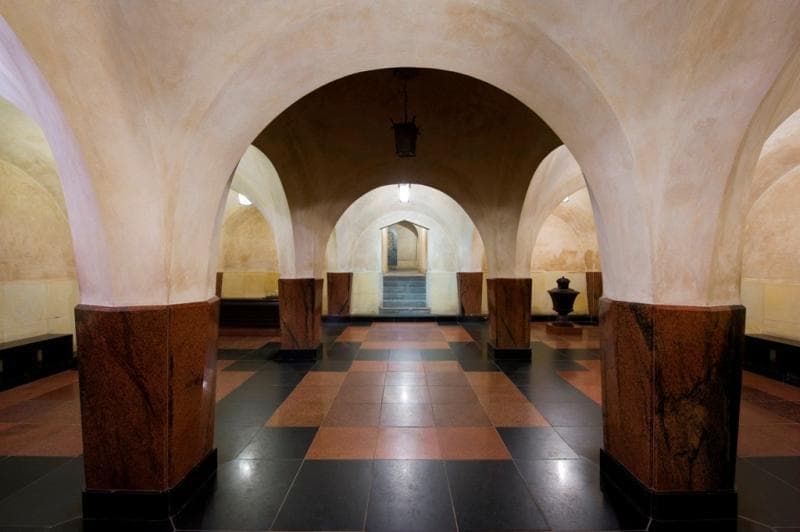
Explore the historic Crypts of Vilnius Cathedral in Vilnius, Lithuania, resting place of Grand Dukes and royalty, revealing centuries of history and unique archaeological finds.
Overview
Deep beneath the majestic Vilnius Cathedral in Vilnius, Lithuania, lies a hidden world known as the Crypts. This intricate underground complex serves as a profound historical archive, encompassing a series of burial chambers, chapels, and passageways that span centuries of Lithuanian history. Dating from the 13th to the 18th centuries, these crypts are the final resting place for many significant figures, including Grand Dukes, royalty, and esteemed clergy of the Grand Duchy of Lithuania. They offer a unique, atmospheric journey into the nation's past, revealing layers of architectural evolution, religious traditions, and the personal stories of those who shaped Lithuania's destiny.
Visitors can explore dimly lit corridors adorned with centuries-old tombstones, ornate sarcophagi, and rare religious artifacts. The Crypts are not merely a burial ground; they are an archaeological treasure trove, preserving fragments of earlier structures, including what some believe to be the foundations of an ancient pagan temple, and showcase well-preserved medieval architecture.
History & Cultural Background
The history of the Vilnius Cathedral's Crypts is inextricably linked with the very origins of Christianity in Lithuania. The site itself has been a place of worship since at least the 13th century, with the current Cathedral built upon multiple earlier structures. The first stone cathedral emerged in the 14th century during the reign of Grand Duke Gediminas, laying the foundation for the edifice we see today.
The addition of chapels and crypts primarily occurred between 1534 and 1557. However, much of what we can explore today remained hidden for a significant period. During the Soviet occupation of Lithuania from 1949 to 1988, the Cathedral was repurposed as a warehouse. Crucially, the crypts had been bricked up beforehand, rendering them undetected by the Soviet authorities. This inadvertent concealment played a vital role in preserving their historical contents, making their rediscovery in 1984 a source of immense national pride for Lithuanians.
Archaeological investigations have unveiled a continuous history of the site, from possible pagan rituals to the Christianization of Lithuania. The layers beneath the Cathedral tell a story of transformation, reflecting the merging traditions of Eastern and Western Christianity in the newly Christianized land, particularly evident in some of the preserved frescoes.
What Makes It Special
The Crypts of Vilnius Cathedral are special for several compelling reasons. Firstly, they house the Royal Mausoleum beneath St. Casimir's Chapel, where many members of the Polish-Lithuanian Commonwealth's ruling class found their final repose. This includes figures such as Alexander Jagiellon, King of Poland and Grand Duke of Lithuania, along with the wives of Sigismund Augustus – Elisabeth of Austria and Barbara Radziwiłł – and even the heart of ruler Władysław IV Vasa.
Secondly, the crypts offer a tangible link to Lithuania's earliest Christian art. They contain one of Lithuania's oldest frescoes, dating back to the late 14th or early 15th century. This remarkable artwork depicts the crucifix with Mary and John the Evangelist, showcasing a unique blend of Catholic and Orthodox artistic traditions, reflecting Lithuania's historical position between these two major Christian currents.
Furthermore, the crypts are a rare example of a significant historical site that survived decades of Soviet suppression due to its hidden nature. Their rediscovery brought to light a wealth of artifacts and stories that might otherwise have been lost, offering unique insights into funerary traditions, archaeological finds, and the evolution of the Cathedral's building over time.
Stories, Fun Facts & Local Details
One of the enduring mysteries of the Crypts revolves around Vytautas the Great, a revered Grand Duke of Lithuania. An empty sarcophagus was prepared for his remains in 1930, anticipating his 500th anniversary, with hopes of transferring his body. However, despite diligent searches, Vytautas's remains have never been definitively located within the crypts, and the quest continues to this day.
Adding to the crypts' mystique is a very recent and exciting discovery. In late 2024, researchers using endoscopic cameras uncovered a secret hiding place within the crypt walls. Inside, they found a trove of medieval royal regalia – crowns, jewelry, and a scepter – belonging to 15th and 16th-century Lithuanian-Polish monarchs. These priceless treasures had been hidden for safekeeping at the outbreak of World War II in 1939, and their rediscovery has been hailed as a significant testament to Lithuania's rich statehood tradition.
It is also fascinating to consider that beneath the grandeur of the neoclassical Cathedral, archaeologists have unearthed remnants that suggest the site may have once been a pagan shrine, highlighting the profound religious transformation of the region. This layered history offers a powerful narrative of continuity and change.
Visitor Perspective
Exploring the Crypts of Vilnius Cathedral is an immersive experience that transports visitors through centuries of history. Access to this subterranean world is exclusively through guided tours, which are highly recommended for understanding the intricate details and profound significance of the site. English language tours are available, often requiring prior booking.
The journey begins from the Cathedral's Bell Tower, leading you into an atmospheric environment that is both quiet and contemplative. Visitors should expect dimly lit passages, offering an authentic glimpse into the past. It's a place where you can reflect on the lives of Lithuania's historical figures and appreciate the architectural and artistic heritage that has been so carefully preserved. The cool, constant temperature underground can also offer a pleasant respite on a warm day.
A visit here provides a unique blend of educational insights and a deep sense of spirituality, allowing for unique photo opportunities and moments of reflection amidst centuries-old stones. It is an essential stop for anyone interested in Lithuanian history, medieval architecture, or simply seeking a meaningful connection to Vilnius's rich cultural tapestry.
Coordinates: 25.286, 54.6848
View on Google Maps💬 How Travelers Describe This Place
Based on community votes
Interesting
886Photogenic
564Beautiful
443Must See
310Unique
233
Traveler Stories
Discover memorable experiences shared by travelers who have visited this place.
No traveler stories yet.
Be the first traveler to share what made this place memorable.

Tour
By
Spot
Discover amazing places around the world. Your journey starts here.
Explore
© 2026 TourBySpot. All rights reserved.