Crypt
Venice, Italy
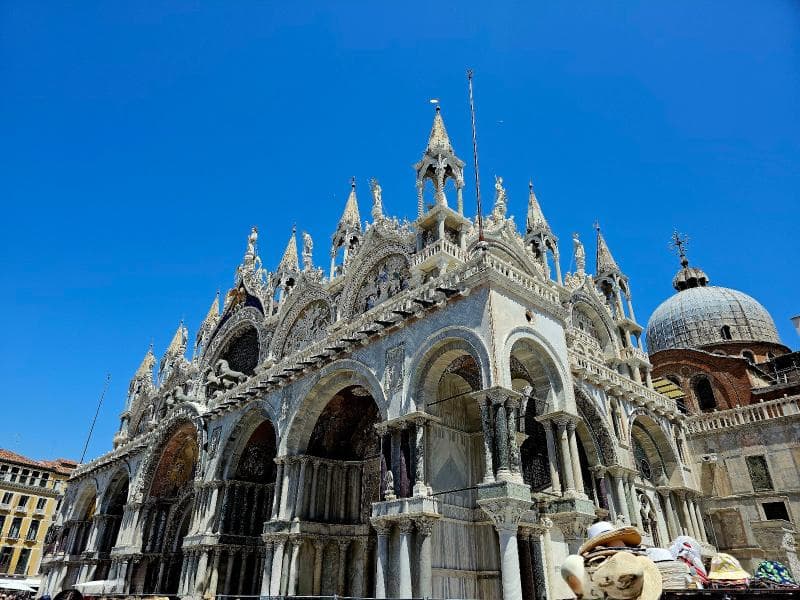
Explore the Crypt of St. Mark's Basilica in Venice, Italy. Discover its ancient history, learn about St. Mark's relics, and feel the sacred ambiance of this subterranean chamber.
Overview
The Crypt of St. Mark's Basilica in Venice offers a profound journey into the very foundations of this iconic Venetian landmark. Nestled beneath the basilica's opulent upper levels, this subterranean chamber reveals a more austere, yet deeply atmospheric space. It is widely considered the true heart of the basilica, a place where history, faith, and the unique challenges of Venice's lagoon environment converge. Far removed from the dazzling mosaics and gilded domes above, the crypt provides an intimate glimpse into the origins of St. Mark's Basilica and its enduring spiritual significance for the city of Venice.
History & Cultural Background
The story of the crypt begins with the audacious act of Venetian merchants in 828 AD, who, according to legend, spirited away the relics of St. Mark the Evangelist from Alexandria, Egypt, by cleverly concealing them beneath layers of pork to bypass Muslim guards. These precious relics were brought to Venice, establishing St. Mark as the city's patron saint and providing the impetus for constructing a grand basilica to house them. The crypt itself was built in the 9th century as part of the first basilica, transforming the ruins of earlier structures into a sacred resting place.
However, the exact location of St. Mark's body within the basilica became a mystery after a fire in 976 and subsequent construction. It was 'miraculously found' again in 1094 during the consecration of the present basilica, an event that further cemented its spiritual importance. For centuries, the crypt served as the venerable resting place for the evangelist's remains. Venice's unique aquatic environment, however, meant the crypt was perpetually plagued by flooding. Efforts were made to raise its floor in 1563, but the struggle against rising water persisted. By 1604, access to the crypt was sealed, and it was often regarded as an 'unhealthy and fetid place' for many years.
It wasn't until 1811 that significant restoration efforts began. During this period, St. Mark's relics were eventually moved to their current location beneath the high altar of the main basilica, a position that aligns with ancient Christian traditions of placing martyrs' relics beneath altars. The crypt itself was finally reopened to the public in 1889 and has since served as a burial site for many Patriarchs of Venice, adding further layers of historical and spiritual significance.
What Makes It Special
The Crypt of St. Mark's Basilica is special precisely because of its unadorned, ancient character, a stark contrast to the golden splendor of the church above. This low-vaulted Romanesque chamber embodies the original Byzantine foundations of the basilica. Its architecture features sturdy arches and columns, creating a sense of profound antiquity and sacredness. The dim, diffused lighting within enhances the evocative atmosphere, making it a place of quiet contemplation.
While St. Mark's relics now lie beneath the high altar, the crypt remains the symbolic heart, connecting visitors directly to the initial purpose of the basilica's construction: to honor and protect the city's revered patron saint. The stone surfaces and low barrel vaults offer a tangible link to the architectural styles prevalent during the basilica's early centuries, showcasing a blend of Byzantine influences. It's a place where you can witness the marks of time, with walls showing subtle erosion from centuries of interaction with the lagoon's waters. This intimate setting provides a powerful reminder of Venice's deep history and its continuous battle with its watery environment.
Stories, Fun Facts & Local Details
The tale of St. Mark's relics arriving in Venice is one of the city's most enduring and colorful legends. Imagine two Venetian merchants in 828 AD, cunningly smuggling the saint's remains out of Alexandria. The story goes that they hid the body under layers of pork in barrels to deter Muslim customs officials, who, repelled by the forbidden meat, allowed them to pass without inspection. Later, during a perilous storm at sea, legend claims that St. Mark himself appeared to the ship's captain, guiding him to safety and solidifying the miraculous nature of their endeavor.
Another fascinating detail involves the 'rediscovery' of St. Mark's body in 1094. After the earlier basilica was damaged by fire, the exact location of the relics became unknown. It's said that during the consecration of the newly rebuilt church, St. Mark's arm miraculously emerged from a pillar, revealing where his remains had been hidden. This event was considered a divine affirmation of Venice's status. More recently, a less substantiated, but intriguing, theory was put forth by a British historian, suggesting that the crypt might actually contain the remains of Alexander the Great – a claim that adds another layer of mystery to this ancient space, though it is largely dismissed by scholars.
Visitor Perspective
Visiting the Crypt of St. Mark's Basilica offers a uniquely humbling experience, a counterpoint to the vibrant spectacle of the main basilica. Due to its historical vulnerability to the Venetian lagoon's tides, access to the crypt is not always guaranteed during regular visiting hours. It is primarily accessible through special guided tours, particularly after-hours tours, which often provide a more in-depth and tranquil exploration of this sacred space.
Inside, you'll encounter low ceilings, narrow passages, and potentially uneven steps, so moving slowly and carefully is advisable. The atmosphere is cool and often damp, a palpable reminder of the water that has shaped Venice's identity for centuries. While less adorned than the main basilica, the crypt's simple stone architecture, ancient columns, and subtle interplay of light and shadow create a deeply evocative environment, prompting quiet reflection. Modest dress is expected, and visitors are asked to maintain a respectful demeanor, keeping voices low and refraining from flash photography to preserve the sanctity and ambiance of this remarkable historical chamber. It's a journey into the soul of Venice, revealing the enduring legacy of faith and resilience.
Coordinates: 12.3396, 45.4345
View on Google Maps💬 How Travelers Describe This Place
Based on community votes
Must See
995Unique
929Photogenic
858Beautiful
730Interesting
275
Traveler Stories
Discover memorable experiences shared by travelers who have visited this place.
No traveler stories yet.
Be the first traveler to share what made this place memorable.

Tour
By
Spot
Discover amazing places around the world. Your journey starts here.
Explore
© 2026 TourBySpot. All rights reserved.