Crypt Of Santa Reparata
Florence, Italy
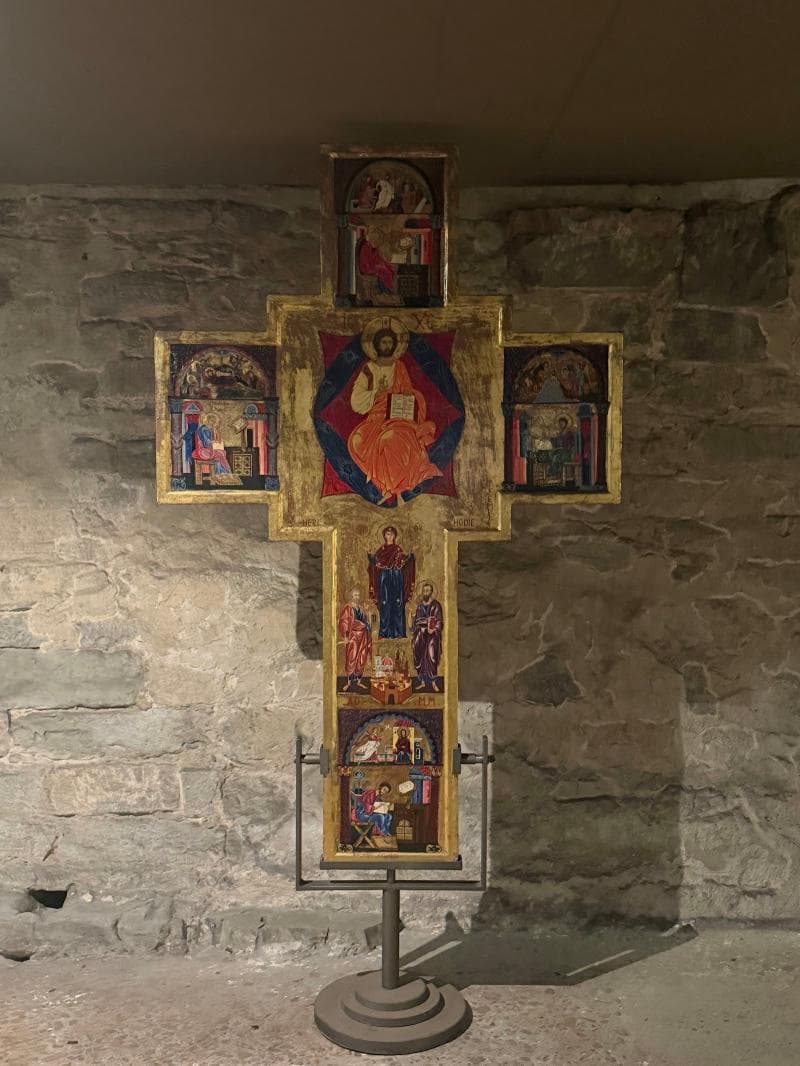
Explore the Crypt of Santa Reparata in Florence, Italy, an archaeological treasure beneath the Duomo, revealing centuries of history.
Overview
Hidden beneath the grand Florence Cathedral, the Crypt of Santa Reparata offers a profound journey into Florence's ancient past. This archaeological site preserves the fascinating remains of the city's original cathedral, the Basilica of Santa Reparata, which predates the iconic Duomo by centuries. Discovered through extensive excavations between 1965 and 1973, the crypt reveals layers of history, showcasing early Christian Florence, Roman foundations, and medieval transformations. Visiting this sub-spot provides a unique perspective on the continuous evolution of religious architecture and urban development in Florence, Italy.
History & Cultural Background
The Basilica of Santa Reparata served as Florence's cathedral for over eight centuries before the construction of Santa Maria del Fiore began in 1296. Its origins are generally traced back to the 6th century, though some sources suggest an even earlier foundation in the 4th or 5th century. The church was likely built to honor a vow made before a significant battle, possibly to celebrate a Roman victory over the Goths under Radagaisus around 406 AD. It was named after Saint Reparata, an early virgin martyr and co-patron saint of Florence. The basilica underwent several rebuilds and enlargements throughout its history. In the 9th century, during the Carolingian period, it saw renovations that included the addition of a small crypt to house the relics of Saint Zenobius, who later became another patron saint of Florence. Further Romanesque transformations occurred between 1050 and 1106, with the construction of a raised choir and a new crypt. The old Santa Reparata was finally abandoned and largely demolished in 1379 to make way for the much larger new cathedral, Santa Maria del Fiore, which had been built around it.
What Makes It Special
The Crypt of Santa Reparata is special because it offers an unparalleled archaeological window into the layers of Florentine history, literally beneath your feet. It stands as the surest testimony of very first Christianity in Florence. Visitors can explore the architectural remains of the successive churches, witnessing the transition from Roman to medieval styles. Among the most striking features are the well-preserved fragments of its mosaic floor, dating back to the 8th century, which feature intricate polychrome geometric patterns and symbolic figures like a peacock, representing eternity and resurrection. The site also houses numerous tombstones from the 13th and 14th centuries, some with detailed portraits, inscriptions, and heraldic symbols. A truly extraordinary discovery during the excavations was the tomb of Filippo Brunelleschi, the genius architect behind the Florence Cathedral's iconic dome, which was found in 1972. This provides a direct, tangible link to one of the most pivotal figures of the Renaissance.
Stories, Fun Facts & Local Details
One fascinating legend associated with Santa Reparata recounts how her miraculous intercession was believed to have helped Florence defeat the Ostrogothic barbarians in 406 AD. This victory, said to have occurred on her feast day, solidified her cult in the city. Before the construction of Palazzo Vecchio, the Basilica of Santa Reparata even served as a meeting place for the Parliament of the Republic, highlighting its importance not just spiritually, but also politically in early Florentine life. The extensive excavations in the 1960s were pivotal in uncovering Florence's early Christian age, which was previously not well-documented. Beyond Brunelleschi's tomb, the crypt contains various other burials, including that of the Gonfalonier Giovanni de' Medici, whose funeral equipment, such as a large sword and spurs, was found alongside his ornate marble tomb. These details paint a vivid picture of the lives and customs of Florentines from centuries past, making the crypt a compelling narrative of time and culture.
Visitor Perspective
Descending into the Crypt of Santa Reparata is an immersive experience, a journey back in time through an archaeological itinerary. Visitors access the crypt from inside the Florence Cathedral, stepping down into a space composed of various levels that bear witness to the passing centuries. You'll walk along walkways that allow you to view the unearthed foundations, ancient walls, pillars, and mosaic floors. Informative panels guide you through the different historical periods, explaining the significance of the structures and artifacts on display, including Roman and medieval finds. The atmosphere is often quiet and contemplative, a stark contrast to the grandeur of the cathedral above. While deeply enriching, it's important to note that the crypt is not wheelchair accessible due to steps and uneven flooring. Access to the Crypt of Santa Reparata is typically included with the comprehensive ticket that grants entry to other components of the Duomo Complex, such as Brunelleschi's Dome, Giotto's Bell Tower, the Baptistery, and the Opera del Duomo Museum.
Coordinates: 11.25486, 43.77263
View on Google Maps💬 How Travelers Describe This Place
Based on community votes
Interesting
951Beautiful
748Must See
499Photogenic
491Unique
427
Traveler Stories
Discover memorable experiences shared by travelers who have visited this place.
No traveler stories yet.
Be the first traveler to share what made this place memorable.

Tour
By
Spot
Discover amazing places around the world. Your journey starts here.
Explore
© 2026 TourBySpot. All rights reserved.