Crypt
Zurich, Switzerland
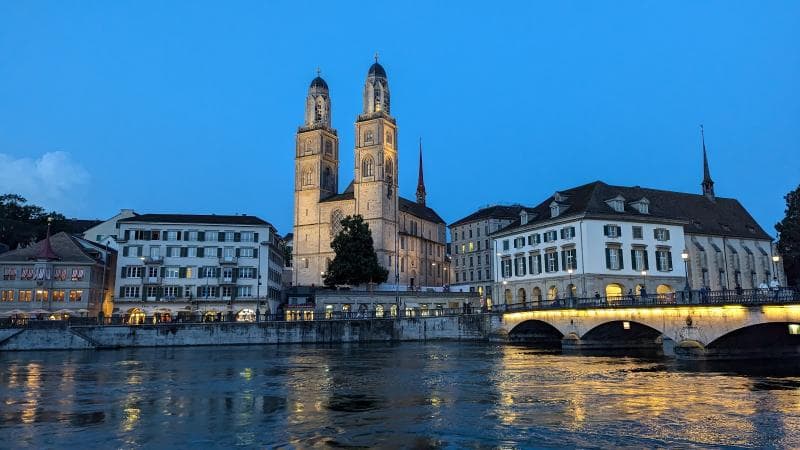
Explore the ancient Romanesque Crypt of Grossmünster in Zurich, Switzerland. Discover its history, legends of saints, and Charlemagne's statue.
Overview
Deep beneath the iconic twin towers of Zurich's Grossmünster church lies a sanctuary that whispers tales from the city's earliest days: the Crypt. This Romanesque marvel is not merely a basement but the oldest accessible part of the entire cathedral, a foundational space predating much of the structure visible today. Descending into its cool, hushed embrace offers a profound journey back in time, revealing the spiritual and historical bedrock upon which modern Zurich was built. It is a place of quiet contemplation, far removed from the bustling streets above, inviting visitors to connect with centuries of faith and legend.
History & Cultural Background
The history of the Grossmünster Crypt is intrinsically linked to the legendary origins of Zurich itself. According to tradition, the Grossmünster was founded by Charlemagne in the 8th or 9th century after his horse knelt over the graves of Zurich's patron saints, Felix and Regula. These early Christian martyrs, along with their servant Exuperantius, are said to have been executed in the 3rd century for their faith. The current Romanesque church, including its crypt, began construction around 1090, with most of it completed by 1220. The Crypt itself dates back to the 11th century, making it Switzerland's largest and oldest surviving Romanesque crypt. This subterranean chamber served as the resting place for the saints' relics, transforming Zurich into a significant pilgrimage site during the Middle Ages. Even during the Protestant Reformation, initiated by Huldrych Zwingli from the Grossmünster in the 16th century, the Crypt, though repurposed, managed to survive relatively intact, a testament to its enduring significance.
What Makes It Special
What truly distinguishes the Grossmünster Crypt is its authentic Romanesque character and profound historical layers. Its architecture features thick pillars and rounded arches, characteristic of the Romanesque style, which provide a sense of timeless solidity. Within this ancient space, visitors can behold a weathered 15th-century stone statue of Charlemagne, depicted kneeling with his sword drawn. This original statue once adorned the south tower of the church, known as the Karlsturm (Charles' Tower), before being moved to the crypt for preservation. Faded murals and frescoes on the walls, though partially preserved, offer glimpses into the artistic and spiritual life of centuries past, illustrating the lives and martyrdom of Saints Felix and Regula. The Crypt's enduring atmosphere of peace and solemnity sets it apart, offering a tangible connection to the spiritual roots of Zurich and a quiet counterpoint to the more ornate main church.
Stories, Fun Facts & Local Details
The Crypt is steeped in fascinating legends that have shaped Zurich's identity. The most compelling is the story of Saints Felix, Regula, and Exuperantius. After being beheaded for their Christian faith, legend claims they miraculously picked up their severed heads and walked uphill to the spot where they wished to be buried. This incredible feat is immortalized in Zurich's seal, which depicts the saints carrying their heads. The discovery of their graves by Charlemagne, guided by his kneeling horse, led to the founding of the church, solidifying the Crypt's importance as the initial sacred ground. It's an intriguing detail that while the original Charlemagne statue resides within the Crypt, a replica stands atop the Karlsturm, overlooking the city, bridging the past and present. This ancient space was once a major pilgrimage destination, and while the relics are no longer housed here, the Crypt continues to be a focal point for understanding Zurich's deep historical and religious narrative.
Visitor Perspective
Visiting the Crypt at Grossmünster is an experience that transcends mere sightseeing. As you descend the steps, the cool air and subdued lighting immediately create a sense of stepping into a bygone era. The hustle and bustle of modern Zurich fade away, replaced by a profound quiet that encourages reflection. This oldest part of the Grossmünster offers a unique vantage point to understand the city's spiritual foundations. It is often less crowded than the main church, allowing for a more intimate and personal encounter with history. Travelers seeking to delve into the genuine origins and enduring legends of Zurich will find the Crypt to be an incredibly rewarding and atmospheric destination, providing a tangible link to the saints and emperors who shaped this vibrant Swiss city. It's a place where the weight of history is palpable, yet presented in a way that feels intimate and accessible.
Coordinates: 8.54399, 47.37014
View on Google Maps💬 How Travelers Describe This Place
Based on community votes
Interesting
996Must See
658Unique
585Photogenic
143Beautiful
69
Traveler Stories
Discover memorable experiences shared by travelers who have visited this place.
No traveler stories yet.
Be the first traveler to share what made this place memorable.

Tour
By
Spot
Discover amazing places around the world. Your journey starts here.
Explore
© 2026 TourBySpot. All rights reserved.