Crypt
Frankfurt, Germany
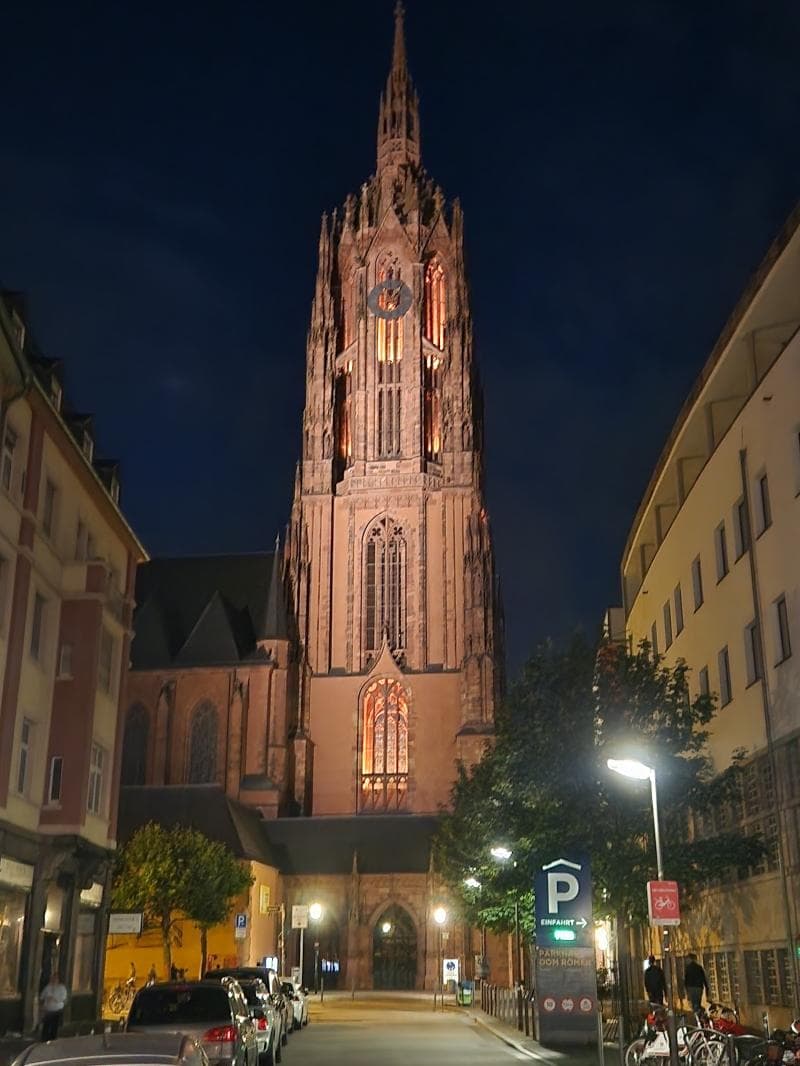
Explore the Crypt of Frankfurt Cathedral in Germany, revealing archaeological layers from a 7th-century chapel and ancient graves.
Overview
Deep beneath the towering Gothic spires of the Imperial Cathedral of Saint Bartholomew, or 'Kaiserdom' as it’s affectionately known, lies a profound secret: the Crypt. Not a crypt in the traditional sense of a burial chamber for dignitaries, but rather a remarkable archaeological excavation site that peels back layers of history, offering a tangible connection to Frankfurt's earliest beginnings. This foundational layer, accessible to curious travelers, reveals the remnants of churches that predated the current magnificent structure, stretching back over 1,300 years. It is here, amidst ancient stone and hallowed ground, that the story of Frankfurt, Germany, truly began, long before it became a bustling imperial city.
History & Cultural Background
The history of the Frankfurt Cathedral is a story of continuous sacred occupation, built upon the foundations of successive predecessors. The earliest known structure on this very spot was a small Merovingian chapel, dating back to before 680 AD. This modest chapel marked the initial sacred presence, a seed from which the grand 'Kaiserdom' would eventually grow. This Merovingian period gave way to a Carolingian royal palace chapel. In 852, a larger Salvator Basilica was consecrated on the site, further solidifying its religious importance. Over centuries, these earlier churches were replaced and expanded, culminating in the current Gothic masterpiece, largely constructed between the 14th and 15th centuries. However, it was not until extensive archaeological excavations between 1992 and 1994 that the full extent of these foundational layers, including the Merovingian chapel and earlier Roman traces, were meticulously unearthed. These findings provide invaluable insights into the architectural evolution and the profound historical roots of one of Germany's most significant churches, which, despite its 'Cathedral' title, was never an episcopal see but served as the election and coronation church of the Holy Roman Emperors from 1356 and 1562, respectively.
What Makes It Special
What makes the Crypt of Frankfurt Cathedral truly special is its ability to transport you through time, offering a physical journey through millennia of history. This archaeological garden is a rare window into the continuous sacred use of a single site for over 1,300 years, showcasing the evolution of architecture and faith. Visitors can witness the precise imprints and foundational stones of the various churches that stood here, from the earliest Merovingian chapel to the Carolingian and Romanesque structures, all nestled beneath the Gothic edifice. It's a testament to enduring human belief and the strategic importance of this location throughout different historical epochs. The meticulous excavations have revealed not just building plans but also poignant human stories, adding an emotional depth rarely found in archaeological sites.
Stories, Fun Facts & Local Details
Among the most compelling discoveries within the Crypt is the 'Mystery of the medieval child grave,' unearthed during the 1992-1994 excavations. This double grave, dating to approximately 700-730 AD, contained the remains of two children, both around four years old. One child was buried in the dignified style of Merovingian nobility, adorned and clothed, while the other was cremated and buried with a bearskin, a practice akin to Scandinavian burial customs. This extraordinary finding speaks volumes about the early medieval period in Frankfurt, illustrating a fascinating blend of cultures and the gradual spread of Christianity in the region, where pagan traditions still held sway. Historians are still pondering the exact significance of this unusual dual burial, but it strongly suggests a reverence for the site that predates established Christianity. Remarkably, subsequent structures, including a palace chapel built by King Louis II in 855, were precisely aligned with this ancient grave, indicating its sustained importance and veneration for over a century after the children's burial. The grave is marked by a sandstone slab at the west entrance of the cathedral, a subtle yet powerful reminder of the profound historical layers beneath your feet.
Visitor Perspective
For the curious traveler, visiting the Crypt offers a unique perspective on Frankfurt's deep historical roots. While the grand nave of the cathedral inspires awe with its Gothic splendor and imperial connections, the underground Crypt provides an intimate, grounding experience. The archaeological findings, including artifacts from the excavations, are primarily presented and contextualized within the Dommuseum (Cathedral Museum), located in the medieval cloister of the 'Kaiserdom'. Here, you can examine the tangible evidence of Frankfurt's earliest inhabitants and the continuous evolution of this sacred space. A floor slab within the cathedral often marks the location of the significant child grave, inviting contemplation. Walking through these excavated layers allows you to connect directly with the past, sensing the countless generations who lived, worshipped, and were laid to rest here. It's a quiet, reflective experience that complements the majesty of the cathedral above, offering a profound appreciation for the enduring history of Frankfurt and its pivotal role in European civilization.
Coordinates: 8.6821267, 50.1109221
View on Google Maps💬 How Travelers Describe This Place
Based on community votes
Interesting
953Beautiful
695Photogenic
658Must See
396Unique
22
Traveler Stories
Discover memorable experiences shared by travelers who have visited this place.
No traveler stories yet.
Be the first traveler to share what made this place memorable.

Tour
By
Spot
Discover amazing places around the world. Your journey starts here.
Explore
© 2026 TourBySpot. All rights reserved.