Crypt
Berlin, Germany
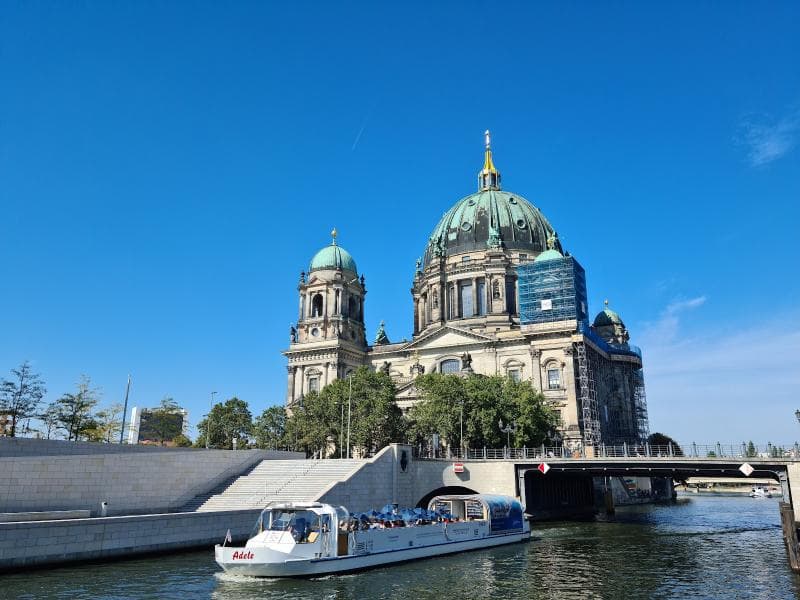
Explore the Hohenzollern Crypt within Berlin Cathedral in Berlin, Germany. Discover Germany's most important dynastic burial site with 91 royal tombs.
Overview
Deep beneath the impressive Berlin Cathedral, a grand Protestant church in Berlin, Germany, lies a historical treasure known as the Hohenzollern Crypt. This is not just any burial ground; it stands as Germany's most significant dynastic burial site and is considered one of the most important in all of Europe, alongside renowned crypts like those in Vienna and Paris.
Within its solemn chambers, visitors will discover the final resting places of 91 members of the esteemed House of Hohenzollern, the dynasty that profoundly shaped Brandenburg-Prussia and eventually the German Empire. These burials span an impressive period, from the late 16th century to the early 20th century, offering a unique journey through five centuries of Brandenburg-Prussian burial culture.
After extensive renovation work, the Crypt reopened in March 2026, offering visitors an enhanced and more accessible experience, allowing closer examination of its rich history.
History & Cultural Background
The history of the Hohenzollern Crypt is intricately tied to the Berlin Cathedral itself, though its origins predate the current magnificent structure. The practice of burying Hohenzollern family members in Berlin began as early as 1536 when Elector Joachim II designated the vaults of a local Dominican Church as his family's burial place. Over centuries, various churches on this site served as the dynastic sepulchre.
The current Berlin Cathedral, a grand Neo-Renaissance and Neo-Baroque edifice, was constructed between 1894 and 1905 under the command of Emperor Wilhelm II, who envisioned a church that would rival St. Peter's Basilica in Rome. It was during this construction that the numerous Hohenzollern coffins were meticulously gathered and arranged in the newly built, extensive crypt beneath the cathedral.
The Crypt suffered significant damage during World War II when the cathedral's main dome collapsed after being hit by bombs, causing fire and destruction to some of the coffins. Following the war, the cathedral, including its crypt, faced a long period of neglect under communist rule in East Berlin. Restoration efforts began in the 1970s, but full restoration of the cathedral was only completed in 1993, after German reunification. The most recent and comprehensive renovation of the Hohenzollern Crypt, costing $34 million, took place over six years, concluding with its reopening in March 2026.
What Makes It Special
The Hohenzollern Crypt distinguishes itself not only by its historical significance as the principal dynastic burial site in Germany but also as a remarkable showcase of funerary art and evolving artistic styles. It houses an unparalleled collection of sarcophagi and burial monuments, ranging from the late Gothic period through to the early 20th century.
Visitors can observe a fascinating array of coffins crafted from diverse materials such as wood, elaborately decorated tin, and grand marble, some weighing as much as 11 to 13 tons. Among these are the significant sarcophagi of Frederick I, the first King of Prussia, and his consort, Sophie Charlotte. The sheer variety in design and material tells a compelling story of changing tastes, wealth, and spiritual beliefs across half a millennium. The Crypt essentially functions as both a historical archive and a unique art gallery dedicated to Brandenburg-Prussian burial culture.
The recent renovations have further enhanced its appeal, transforming it into a more modern museum-like experience with improved accessibility and climate control systems designed to preserve these precious artifacts for future generations.
Stories, Fun Facts & Local Details
Amidst the somber beauty of the Crypt are intriguing details that bring its history to life. For instance, in earlier centuries, during various transfers and reconstructions of the burial sites, a few older Hohenzollern coffins, such as those of Electors Johann Cicero, Joachim I, and Joachim II, were regrettably lost.
A practical concern of past centuries was the crypt's vulnerability to flooding; it was reportedly inundated twice in the 19th century. This led to the current crypt being constructed 25 centimeters above the highest known groundwater levels to prevent future damage. The collection includes an astonishing 33 small coffins belonging to children of the royal family, offering a poignant reminder of past infant mortality rates.
Inside some of the sarcophagi, grave goods such as jewelry, clothing, and personal belongings have been preserved, providing intimate glimpses into the lives of the buried. A notable artifact is the 18th-century death mask of Frederick I.
A 'fun' yet somber detail from the past highlights the atmosphere of remembrance: prior to the current building, a Memorial Church (Denkmalskirche) that once housed Hohenzollern memorials was demolished by the communist government in 1975 due to ideological reasons, considering it a glorification of the dynasty. This decision was a significant loss to Berlin's cultural landscape.
Visitor Perspective
Visiting the Hohenzollern Crypt today offers a unique and deeply reflective experience. As of March 2026, the crypt is fully open and accessible following extensive renovations that have significantly improved the visitor journey. It is typically included as part of the general admission ticket to the Berlin Cathedral.
To fully appreciate the historical and artistic context of the numerous burials, an audio guide is highly recommended, often included with the entry fee. The crypt's carefully controlled low lighting creates a solemn and meditative atmosphere, encouraging contemplation of the lives and legacies of the Hohenzollern rulers. New educational rooms feature touchscreen displays and exhibits, delving into burial traditions and the broader history of the Hohenzollern dynasty, enriching the visit with valuable insights. The comprehensive improvements ensure that this significant historical site remains preserved and engaging for all who choose to delve into Berlin's royal past.
Coordinates: 13.40103, 52.51909
View on Google Maps💬 How Travelers Describe This Place
Based on community votes
Must See
362Interesting
343Photogenic
257Beautiful
224Unique
148
Traveler Stories
Discover memorable experiences shared by travelers who have visited this place.
No traveler stories yet.
Be the first traveler to share what made this place memorable.

Tour
By
Spot
Discover amazing places around the world. Your journey starts here.
Explore
© 2026 TourBySpot. All rights reserved.