Crissy Field
San Francisco, United States
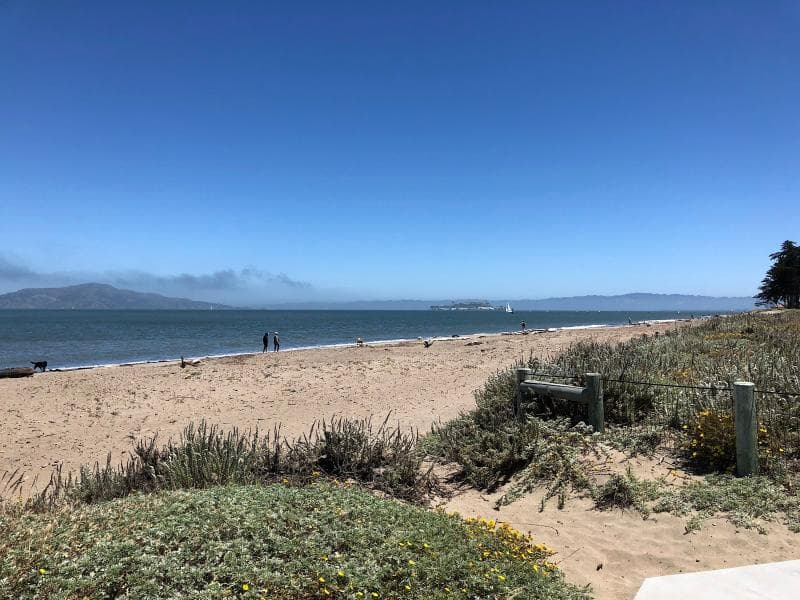
Explore Crissy Field in San Francisco, United States – a historic airfield transformed into a stunning park with Golden Gate Bridge views, restored marshlands, and recreational trails.
Overview
Crissy Field, nestled along the northern shoreline of San Francisco and just east of the iconic Golden Gate Bridge, stands as a vibrant testament to ecological restoration and community vision. Part of the larger Golden Gate National Recreation Area, this expansive urban park offers breathtaking panoramic views of the Golden Gate Bridge, Alcatraz Island, and the San Francisco skyline. It features restored tidal marshlands, sandy beaches, and a wide, flat promenade, making it a beloved destination for both locals and visitors alike.
This 100-acre site, once a neglected military airfield, has been transformed into a dynamic public space where nature thrives alongside recreational opportunities. Crissy Field seamlessly blends historical significance with modern-day enjoyment, offering a serene natural refuge within a bustling urban environment.
History & Cultural Background
The story of Crissy Field stretches back thousands of years. Originally, it was an extensive tidal marsh and estuary, serving as ancestral lands for the Ramaytush Ohlone people, the original inhabitants of the San Francisco Peninsula. They utilized the area for hunting, gathering shellfish, fishing, and holding ceremonies, leaving behind archaeological evidence like shell middens dating back to A.D. 740.
With the arrival of the Spanish in 1776, the area became part of El Presidio, later transitioning into a U.S. Army post. The natural marshlands were gradually filled in, notably during preparations for the 1915 Panama Pacific International Exposition. In 1919, the bay shoreline was developed into an airfield. It was officially accepted by the Army in 1921 and named Crissy Field in honor of Major Dana H. Crissy, who tragically lost his life in a transcontinental flight demonstration.
As the military's first Air Coast Defense Station on the Pacific coast, Crissy Field played a crucial role in aviation history, hosting significant flights and contributing to air power development. However, after its closure as an airfield in 1974 and the decommissioning of the Presidio in 1994, the site was left as a 'jumble of asphalt and forsaken buildings,' with hazardous materials present.
A monumental restoration effort, spearheaded by the National Park Service and the Golden Gate National Parks Conservancy, began in the late 1990s. This ambitious project involved removing contaminated soil, recreating the tidal marsh and dune habitats, and planting over 100,000 native plants. By 2001, Crissy Field was revitalized, re-emerging as the beautiful national park site we see today, a model for environmental rehabilitation.
What Makes It Special
Crissy Field's unparalleled draw lies in its harmonious blend of natural beauty, ecological significance, and recreational opportunities. The successful restoration brought back a thriving coastal habitat, supporting a remarkable diversity of wildlife. Birdwatchers delight in spotting over 100 species, including herons, egrets, and migratory birds utilizing the Pacific Flyway, in the re-established Crissy Marsh.
The views are simply iconic; from its shores, visitors are treated to unobstructed vistas of the majestic Golden Gate Bridge, the historic Alcatraz Island, and the dynamic San Francisco Bay. These postcard-perfect scenes provide an incredible backdrop for any activity.
A highlight is the 1.5-mile Golden Gate Promenade, a flat, hard-packed trail that invites walking, jogging, and biking, connecting Marina Green to Fort Point. Beyond its scenic trails, Crissy Field is a hub for outdoor sports. Its unique winds create ideal conditions for windsurfing and kiteboarding, attracting enthusiasts from all over.
Stories, Fun Facts & Local Details
The name 'Crissy Field' carries a poignant story, honoring Major Dana H. Crissy, an early aviation pioneer whose life was cut short in a flying accident during a transcontinental flight attempt in 1919. His legacy is etched into this historic site.
Before its military transformation, the area was known as Yelamu to the Ramaytush Ohlone people. Archaeologists discovered an ancestral shell mound here, a significant reminder of the indigenous presence that predates colonial settlement by centuries.
The dramatic transformation of Crissy Field from a contaminated military wasteland to a flourishing national park is a powerful story of community and environmental stewardship. The project, involving thousands of volunteers, truly exemplifies how a dedicated community can heal and reclaim a valuable natural space for public enjoyment.
The Crissy Field Center, located in a historic structure, serves as a dynamic hub for youth engagement and environmental education, connecting new generations with nature and science. Additionally, the charming Warming Hut, an old Army supply shed from 1909, now offers a cozy spot for visitors to grab a warm drink and snacks while enjoying the bay views.
Visitor Perspective
For visitors, Crissy Field offers a wonderfully accessible and diverse experience. The flat and well-maintained Golden Gate Promenade is perfect for leisurely strolls, invigorating runs, or scenic bike rides, providing continuous, stunning views of the Golden Gate Bridge and the bay. It's an ideal spot for all ages and activity levels.
East Beach is a popular spot for families, offering sandy shores for relaxation and play, often with children enjoying the sand. Picnic areas, complete with tables, are scattered throughout, inviting visitors to enjoy a meal with a spectacular backdrop.
Nature enthusiasts will find joy in bird watching at the restored Crissy Marsh, while those seeking more active pursuits can indulge in windsurfing or kiteboarding, taking advantage of the area's excellent conditions. The park provides basic amenities, including accessible parking, restrooms, and food options at the Warming Hut, as well as occasional food trucks.
Whether you're looking for an active outdoor adventure, a peaceful moment with nature, or simply a place to soak in one of the world's most famous views, Crissy Field offers a welcoming and memorable experience.
Coordinates: -122.4597, 37.8042
View on Google Maps💬 How Travelers Describe This Place
Based on community votes
Interesting
791Photogenic
514Unique
457Beautiful
252Must See
19
Traveler Stories
Discover memorable experiences shared by travelers who have visited this place.
No traveler stories yet.
Be the first traveler to share what made this place memorable.

Tour
By
Spot
Discover amazing places around the world. Your journey starts here.
Explore
© 2026 TourBySpot. All rights reserved.