Courtyards
Salzburg, Austria
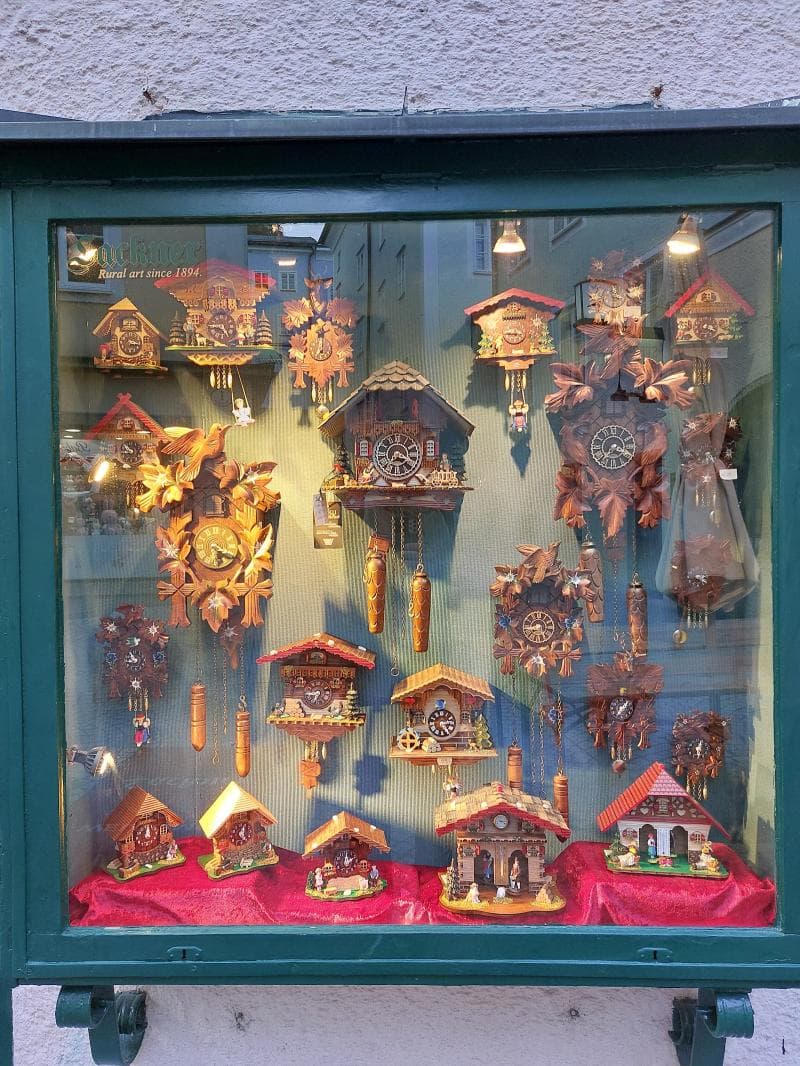
Discover the hidden courtyards of Getreidegasse in Salzburg, Austria, revealing historic architecture, charming cafes, and a unique glimpse into the city's past.
Overview
Tucked away from the bustling main thoroughfare of Getreidegasse in Salzburg, Austria, lie a series of enchanting courtyards that offer a quieter, more intimate glimpse into the city's rich past. These hidden spaces, often accessible through unassuming archways and ‘Durchhäuser’ (passageways), are an integral part of Getreidegasse's unique charm, revealing layers of history and architectural beauty behind the ornate shop fronts. They serve as serene oases, connecting various parts of the Old Town and inviting curious travelers to step off the main street and discover a different side of Salzburg.
While Getreidegasse itself is renowned for its distinctive wrought-iron guild signs and its status as a vibrant shopping street, the courtyards represent a fascinating architectural feature that developed organically over centuries. They are a testament to the ingenious urban planning and living history of this UNESCO World Heritage site, providing a sense of discovery for those who venture beyond the obvious.
History & Cultural Background
The history of Getreidegasse dates back to Roman times, serving as an important trade route. First mentioned as 'Trabgasse' around 1150, its name evolved over centuries.
The tall, narrow houses that line Getreidegasse were once residences for city council members, officials, merchants, and craftsmen, reflecting the street's historical importance as a center of trade and wealth.
A distinguishing architectural feature of Getreidegasse is its numerous 'Durchhäuser' – public passageways on the ground floor of buildings. These passages were originally created to connect the main street with parallel alleys like Griesgasse and Universitätsplatz, and ultimately with the Salzach River.
It is within these ‘Durchhäuser’ that the courtyards are found. Many of these inner courtyards once served practical purposes, functioning as stables, storage areas, or even communal gardens. Over time, as the street evolved, many historic residential houses were transformed into commercial premises, yet the courtyards retained much of their original character and historical remnants like crests, inscriptions, columns, and archways.
What Makes It Special
The courtyards of Getreidegasse stand out because of the striking contrast they offer to the bustling energy of the main street. Stepping through a 'Durchhaus' is like entering a different world, where the sounds of the city soften, and the pace slows down.
Architecturally, these courtyards are often adorned with splendid arcades, marble balustrades, stone reliefs, and intricate details from various eras. They reveal the hidden beauty of Salzburg's traditional burgher houses, which often appear slim from the street but extend deep into the block. Within these charming enclosures, visitors can discover small cafes, artisan boutiques, and art galleries, each adding to the unique character of these secluded spaces.
These ‘Durchhäuser’ and their courtyards are also unique because they effectively allowed for a second row of houses to be built behind the main street, expanding the urban footprint while maintaining access and light. This intricate network of passages and courtyards is a core element of the Old Town's layered urban form, a feature often missed by those who only walk the main lane.
Stories, Fun Facts & Local Details
One fascinating detail awaits in the passage at Getreidegasse No. 3, often called the Schatz House passage. Here, visitors can find a Madonna relief and, quite unusually, a whale rib with a dried shark hanging from the ceiling. These peculiar items are remnants of a clever marketing campaign by a colonial goods merchant who occupied the building in the 14th century, and they were later even used as props in the Salzburg Festival.
Another historical curiosity relates to how Getreidegasse was kept clean in earlier centuries. Every Saturday evening and before holidays, water from the Almkanal (a historic water channel) would be released at the top of the street. This water would flow through the passageways and courtyards, flushing dirt and waste down into the Salzach River, a highly practical, albeit unusual, method of street cleaning.
During the Christmas season, one of these courtyards, the Sternbräu courtyard (located between Getreidegasse 34 and Griesgasse 23), hosts the Sternadvent market. This romantic Christmas market runs from late November to early January, offering a festive and charming atmosphere.
Visitor Perspective
For the curious traveler, exploring the courtyards of Getreidegasse is an essential part of experiencing Salzburg. Most tourists might simply admire the famous wrought-iron signs and historic facades along the main street, but venturing into the 'Durchhäuser' provides a deeper, more authentic connection to the city's past and present.
These hidden passageways offer a moment of tranquility away from the crowds, allowing for a reflective stroll where one can appreciate the intricate architecture, the quiet hum of local life, and the unique businesses that call these spaces home. It's an opportunity to discover the 'real' Salzburg that many visitors overlook, a quieter, older city with enchanting spots that feel untouched by time. Taking the time to wander into these beautiful inner worlds is highly recommended to fully appreciate the layered history and charm of this iconic street.
Coordinates: 13.0469, 47.7996
View on Google Maps💬 How Travelers Describe This Place
Based on community votes
Unique
722Beautiful
698Photogenic
358Must See
126Interesting
19
Traveler Stories
Discover memorable experiences shared by travelers who have visited this place.
No traveler stories yet.
Be the first traveler to share what made this place memorable.

Tour
By
Spot
Discover amazing places around the world. Your journey starts here.
Explore
© 2026 TourBySpot. All rights reserved.