Courtyard
Istanbul, Turkey
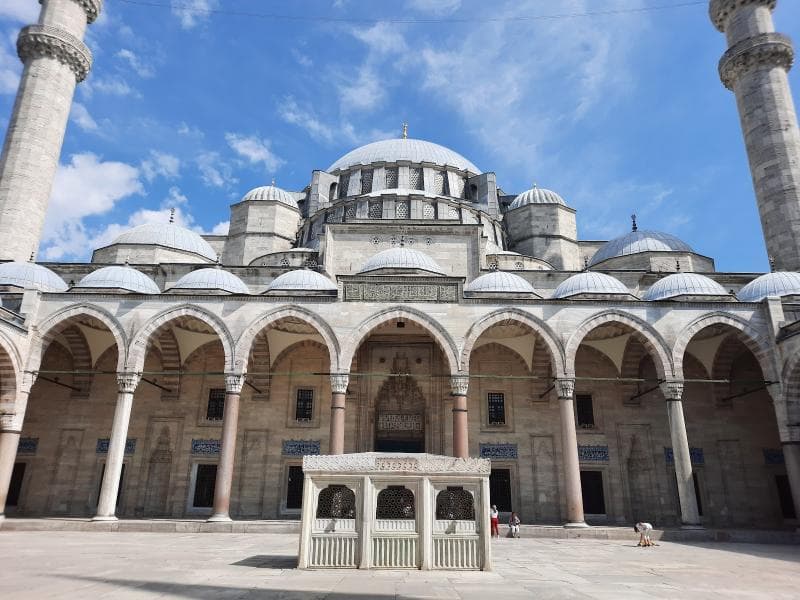
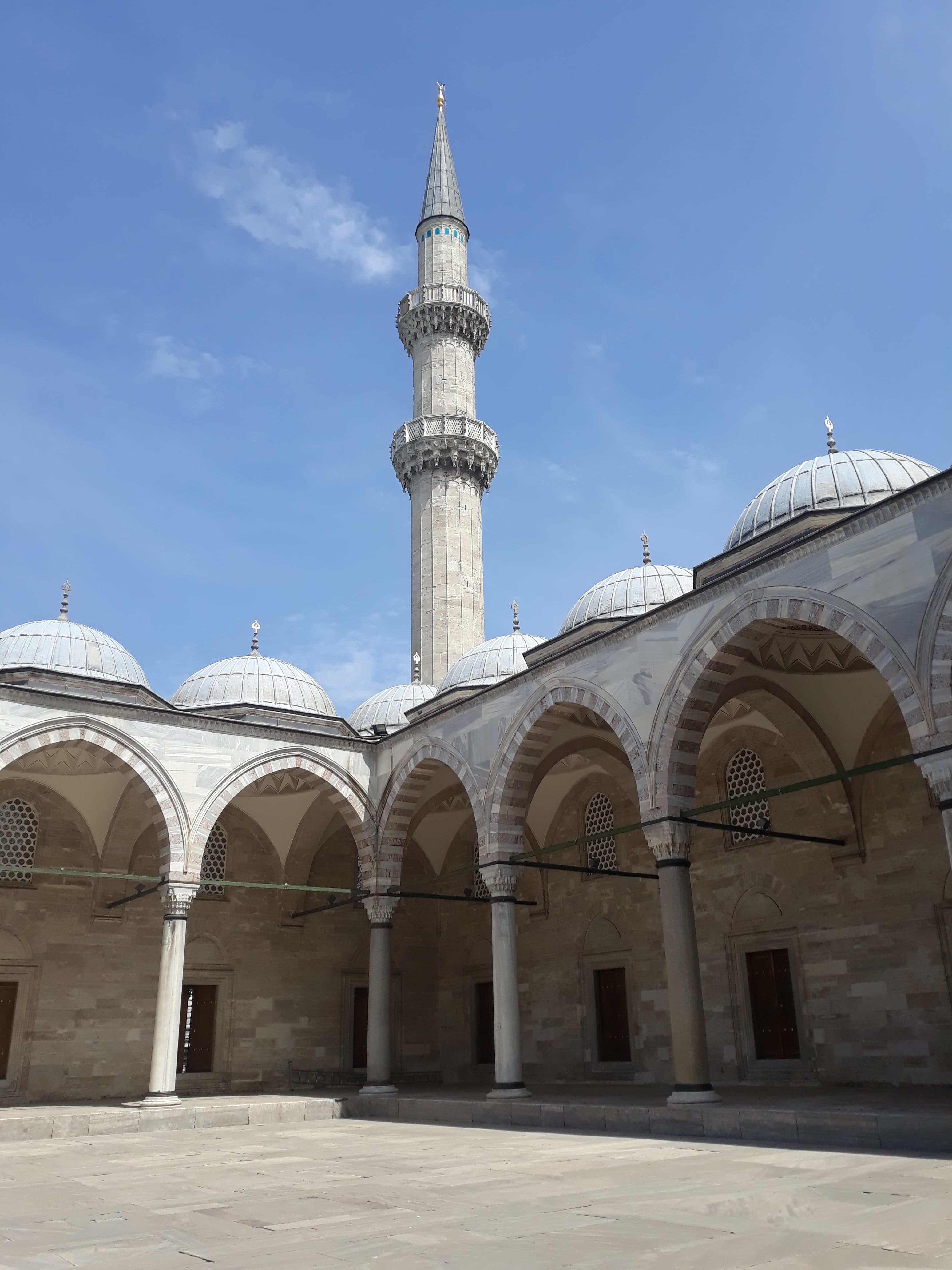
Explore the magnificent Courtyard of Süleymaniye Mosque in Istanbul, Turkey. Discover its stunning Ottoman architecture, rich history, and peaceful ambiance.
Overview
The Süleymaniye Mosque, a crowning jewel of Istanbul's architectural landscape, beckons visitors with its serene presence atop the city's Third Hill. While the entire complex is a masterpiece by the legendary Ottoman architect Mimar Sinan, commissioned by Sultan Suleiman the Magnificent, its expansive courtyard, known as the 'avlu', serves as a magnificent prelude to the main prayer hall. This grand outdoor space is more than just an entry point; it's an integral part of the mosque's design, offering breathtaking panoramic views of the Golden Horn and the Bosphorus, and embodying both practical and spiritual functions. Spanning an impressive 216 meters by 144 meters, the courtyard establishes a sense of scale and tranquility, inviting contemplation before one even steps inside the mosque proper.
As a UNESCO World Heritage site, the Süleymaniye Mosque and its courtyard stand as a testament to Ottoman ingenuity and cultural richness in Istanbul, Turkey.
History & Cultural Background
The construction of the Süleymaniye Mosque, including its iconic courtyard, commenced in 1550 and was largely completed by 1557, during the zenith of the Ottoman Empire under Sultan Suleiman the Magnificent. Sinan, the chief imperial architect, designed this complex not only as a place of worship but as a comprehensive `külliye` — a social and cultural center that included madrasas (religious schools), a hospital, a public soup kitchen, and baths, all arranged thoughtfully around the central mosque and its courtyard.
The courtyard itself holds deep symbolic meaning. Its four towering minarets, two of which rise majestically from the prayer hall and two from the courtyard corners, are imbued with historical significance. The four minarets subtly acknowledge Sultan Suleiman as the fourth Ottoman sultan to rule Istanbul since its conquest. Furthermore, the ten balconies (`şerefe`) adorning these minarets symbolize his position as the tenth sultan of the Ottoman dynasty. Throughout history, the courtyard has witnessed significant events, enduring damages from fires and earthquakes, including its regrettable use as a weapons depot during World War I, which led to a fire. However, extensive restorations, including one between 2007-2010, have meticulously preserved its original grandeur.
What Makes It Special
The courtyard of the Süleymaniye Mosque is a marvel of classical Ottoman architecture, distinguished by its harmonious proportions and intricate detailing. Visitors are greeted by a grand portico encircling three sides of the courtyard, crowned with an impressive 28 domes and supported by 24 ancient columns. These columns are crafted from exquisite materials like marble, granite, and porphyry, sourced from various parts of the Ottoman Empire, showcasing the empire's vast resources and architectural ambition. Instead of conventional classical capitals, the columns feature elaborate `muqarnas` – stalactite-like carvings that are a hallmark of Islamic architectural ornamentation.
At the heart of this vast space lies a rectangular ablution fountain, or `şadırvan`, made of white marble, providing a practical and aesthetically pleasing element for ritual purification before prayer. The sheer scale and thoughtful design of the courtyard create an atmosphere of profound serenity and majesty. It prepares the mind and spirit for the sacred space within the mosque, making the transition from the bustling city to spiritual calm seamless and impactful.
Stories, Fun Facts & Local Details
Mimar Sinan, the architectural genius behind the Süleymaniye, considered this mosque a work from his 'fellow-master' period, an indication of his evolving skill and mastery. The construction also notably incorporated `spolia`, repurposed architectural elements like columns from ancient sites, demonstrating a sustainable and resourceful approach to building. A fascinating detail is the inscription above the western gate of the courtyard, quoting the Quran: 'Peace be unto thee! Thou art good, so enter ye to dwell therein' (Quran 39:73), comparing the mosque's gates to those of paradise. The courtyard's past as a temporary weapons depot during World War I, leading to a destructive fire, serves as a poignant reminder of its resilience and restoration.
Beyond the courtyard, in the adjoining cemetery behind the mosque's qibla wall, visitors can find the octagonal mausoleums of Sultan Suleiman the Magnificent and his beloved wife, Hürrem Sultan (Roxelana). Even Sinan himself, the grand architect, has his humble tomb located within the mosque complex, a testament to his monumental legacy.
Visitor Perspective
The courtyard of the Süleymaniye Mosque offers an unparalleled visitor experience. It is freely accessible to everyone, though it's important to be mindful of prayer times when the mosque itself may be closed for non-worshippers. As an active place of worship, modest attire is required, and women should bring a headscarf as a sign of respect. The spaciousness and quiet ambiance of the courtyard provide a peaceful retreat from the vibrant energy of Istanbul. It's a perfect spot for photography, especially to capture the sweeping views and the intricate details of the porticoes and fountain.
Standing in the courtyard, one truly grasps the monumental vision of Sultan Suleiman and Mimar Sinan. It's a space that encourages pause, reflection, and appreciation for the blend of history, culture, and architectural brilliance that defines the Süleymaniye Mosque in Istanbul, Turkey. It acts as a spiritual buffer, allowing visitors to acclimatize to the sacred atmosphere before entering the main prayer hall, fostering a deeper connection with this magnificent Ottoman heritage.
Coordinates: 28.96389, 41.01611
View on Google Maps💬 How Travelers Describe This Place
Based on community votes
Photogenic
846Must See
564Beautiful
201Unique
121Interesting
87
Traveler Stories
Discover memorable experiences shared by travelers who have visited this place.
No traveler stories yet.
Be the first traveler to share what made this place memorable.

Tour
By
Spot
Discover amazing places around the world. Your journey starts here.
Explore
© 2026 TourBySpot. All rights reserved.