Courtyard
Pristina, Kosovo
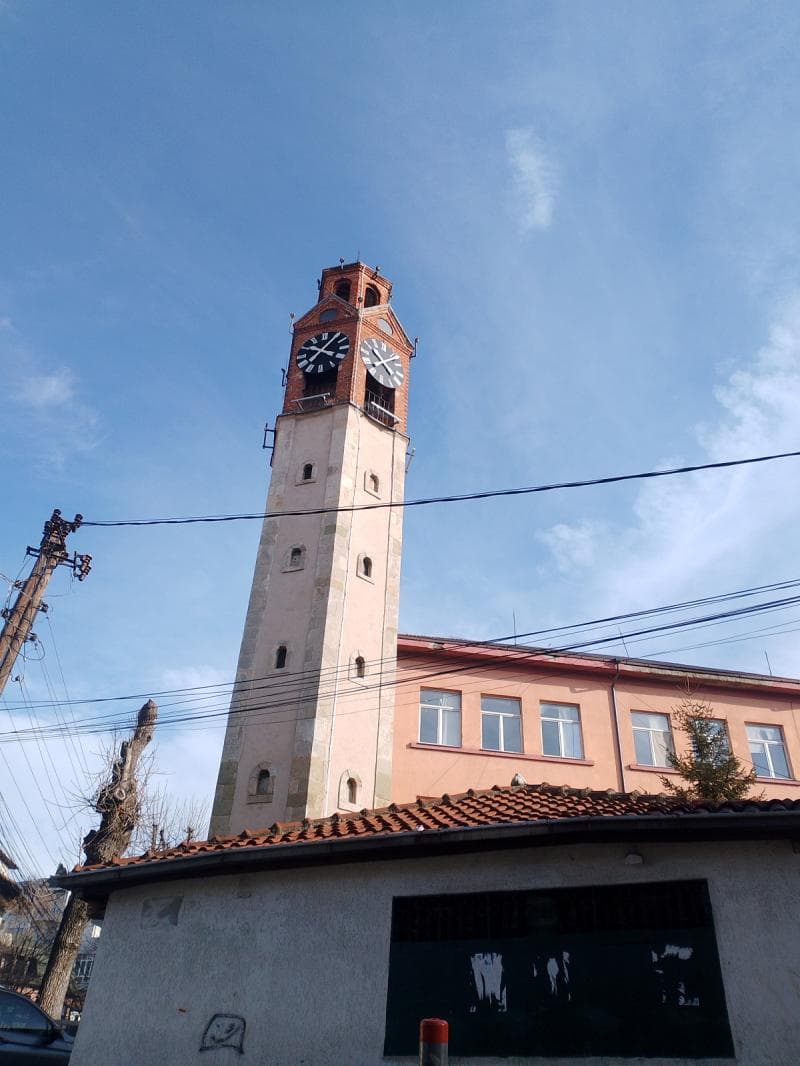
Explore the tranquil triangular courtyard of the Imperial Mosque in Pristina, Kosovo. Discover its Ottoman history, unique fountain, and serene atmosphere.
Overview
Nestled in the historical heart of Pristina, Kosovo, the Imperial Mosque, also known as the King's Mosque or Fatih Mosque, stands as a testament to centuries of rich Ottoman heritage. While the mosque itself draws attention with its grand dome and intricate details, its courtyard serves as a vital extension and a serene introduction to this sacred space. This triangular-shaped courtyard, bordered by three streets, is not merely an entrance but a tranquil haven that prepares visitors for the spiritual and architectural grandeur within. It offers a moment of calm reflection amidst the city's vibrant energy, inviting travelers to step back in time and appreciate the historical layers of Pristina.
History & Cultural Background
The Imperial Mosque was commissioned by Sultan Mehmed II the Conqueror and completed in 1461, marking its place as one of the oldest and most significant Ottoman structures in Pristina. Its construction signaled a new era, establishing a prominent landmark that dominated the city's landscape. The courtyard, as an integral part of this 15th-century complex, has witnessed the ebb and flow of history alongside the mosque. Over the centuries, the mosque faced various transformations; notably, during the Austro-Turkish wars in the late 17th century, it was temporarily converted into a Catholic church. Pjetër Bogdani, a distinguished Albanian writer and leader of pro-Austrian rebels, was even buried here before his remains were exhumed after the Ottoman recapture in 1690.
Despite these tumultuous periods, the courtyard consistently served its purpose as a gathering point and a buffer zone, connecting the bustling urban environment with the mosque's peaceful interior. Its enduring presence underscores the mosque's resilience and its deep cultural roots in the region, serving as a silent observer of Pristina's multifaceted past. The mosque, with its courtyard, was declared a Monument of Culture of Exceptional Importance in 1990, recognizing its profound historical and architectural value.
What Makes It Special
The courtyard of the Imperial Mosque possesses unique characteristics that set it apart. Its distinct triangular shape is a noteworthy feature, cleverly integrating the sacred space within the fabric of the old city's street plan. This design allows for multiple points of entry and a natural flow for congregants and visitors alike. Central to the courtyard's charm is a fountain, installed in 1996, which adds a soothing auditory element to the visual splendor of the surroundings.
Constructed primarily from carved yellow sandstone, the mosque and its courtyard exhibit the robust and elegant architectural style characteristic of the Ottoman period. The spaciousness of the courtyard, coupled with what are often described as 'serene gardens,' contributes to an atmosphere of tranquility. It acts as a transitional area, where the sounds and sights of modern Pristina gently fade, replaced by a sense of historical gravitas and spiritual calm. This blend of architectural functionality and serene ambiance makes the courtyard a truly special element of the Imperial Mosque complex.
Stories, Fun Facts & Local Details
The courtyard, though perhaps less documented than the mosque's interior, holds its own narratives. It is a space where countless generations have gathered for prayer, community events, and quiet contemplation. Historically, such courtyards were vibrant social hubs, hosting not just religious functions but also everyday interactions that fostered community bonds. The presence of the fountain, a relatively modern addition from 1996, symbolizes the ongoing care and importance placed on maintaining the mosque's environment for its community.
It's interesting to consider how this space would have adapted over time, from its initial construction to periods of conflict and restoration. The continuity of its function as a welcoming outdoor area, regardless of the mosque's temporary changes, highlights its intrinsic role. The intricate floral decorations and geometric ornaments found inside the mosque offer a glimpse into the artistry of its time, and one can imagine the courtyard once reflected similar aesthetic considerations, perhaps through meticulously arranged plantings or patterned pathways that complemented the main structure.
Visitor Perspective
For the curious traveler, stepping into the courtyard of the Imperial Mosque is an experience of gentle immersion. As you transition from the lively streets of Pristina, the courtyard immediately offers a sense of peace and reverence. The robust stone architecture of the mosque, visible from all angles, commands respect, while the open space provides a vantage point to appreciate its scale and intricate details, such as the elegant minaret and the expansive central dome.
The serene atmosphere, often enhanced by the gentle sound of the fountain, invites visitors to pause, breathe, and soak in the historical significance. It's a place for quiet reflection, for observing local life unfold, and for appreciating the enduring cultural and spiritual heartbeat of the city. The courtyard is more than just an entry point; it's an integral part of the Imperial Mosque experience, offering a moment of connection to Pristina's Ottoman past and its vibrant present. It serves as a reminder of the layers of history that define this corner of Kosovo, making it a meaningful stop for any traveler.
Coordinates: 21.1670097, 42.6669856
View on Google Maps💬 How Travelers Describe This Place
Based on community votes
Beautiful
896Interesting
550Must See
95Photogenic
56Unique
28
Traveler Stories
Discover memorable experiences shared by travelers who have visited this place.
No traveler stories yet.
Be the first traveler to share what made this place memorable.

Tour
By
Spot
Discover amazing places around the world. Your journey starts here.
Explore
© 2026 TourBySpot. All rights reserved.