Courtyard Houses (Siheyuan)
Beijing, China
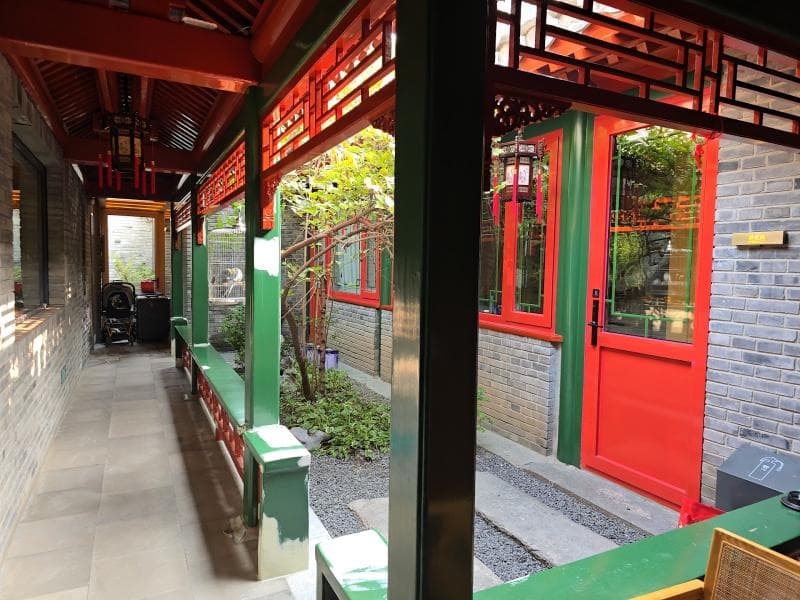
Explore Beijing's ancient Siheyuan, traditional courtyard houses nestled within historic Hutongs. Discover their unique architecture, rich history, and cultural significance in China.
Overview
Stepping into a Siheyuan, or courtyard house, within Beijing's labyrinthine Hutongs is akin to unlocking a timeless secret of Chinese culture. These traditional residences are more than just buildings; they are enclosed worlds, meticulously designed to embody harmony, privacy, and the rhythms of family life. Nestled amidst the narrow alleys of the Hutongs, Siheyuan offer a profound glimpse into Beijing's historical fabric and the architectural genius of past dynasties. They stand as enduring symbols of a way of life that has shaped Chinese society for centuries.
History & Cultural Background
The origins of the Siheyuan can be traced back over 2,000 years, with their most refined forms flourishing during the Yuan, Ming, and Qing dynasties. As Beijing grew into a majestic capital, these courtyard houses became the predominant residential style, especially within the city's distinctive Hutongs. The Hutongs themselves, meaning 'water wells' or 'lanes,' were formed around these residences, creating intricate networks that once defined Beijing's urban landscape.
Culturally, the Siheyuan was a microcosm of the family unit and societal hierarchy. Its design strictly adhered to principles of geomancy (Feng Shui), ensuring auspicious orientation and flow of energy. The main house, typically facing south, was reserved for the head of the family, while the east and west wings housed junior members. The inverted room near the entrance was often for servants or guests. This layout reinforced Confucian values of order, respect, and filial piety, creating a self-contained environment where generations could live together in an organized and harmonious manner.
What Makes It Special
What sets the Siheyuan apart is its introverted design. Unlike Western homes that often present an ornate facade to the street, Siheyuan are characterized by plain, high walls facing outwards, safeguarding the private oasis within. The true beauty lies behind the often-modest gate: a central courtyard that serves as the heart of the home, providing light, ventilation, and a communal space for family activities.
Architecturally, each element carries significance. The main gate, often adorned with intricate carvings and couplets, marks the family's status. Inside, a 'shadow wall' or 'spirit screen' just beyond the entrance prevents evil spirits from entering and ensures privacy. The wooden structures are typically painted in auspicious colors, with elaborate eaves, carved beams, and decorative brackets. The entire complex is built on a strict north-south axis, with auxiliary buildings to the east and west, all facing the central courtyard. This symmetrical, orderly arrangement reflects ancient Chinese cosmology and a desire for balance and serenity.
Stories, Fun Facts & Local Details
Life within a Siheyuan was rich with tradition. Imagine the daily routines: children playing in the courtyard, elders sipping tea under a plum tree, and the aroma of home-cooked meals wafting from the kitchen. Many Siheyuan featured small gardens within their courtyards, complete with rockeries, fish ponds, and potted plants, bringing nature closer to daily life.
A fun fact is that the number of courtyards could denote the status of the family; wealthier and more prominent families might possess multiple, interconnected courtyards, forming grander residences. These multi-courtyard Siheyuan were often referred to as 'three-entry' or 'four-entry' homes, indicating the number of gatehouses one passed through to reach the innermost living quarters. Today, while many have been replaced by modern developments, numerous Siheyuan have been lovingly preserved, some converted into charming guesthouses, art galleries, or intimate restaurants, allowing visitors to experience their unique atmosphere firsthand.
Visitor Perspective
For the curious traveler, exploring the Siheyuan within Beijing's Hutongs offers an unparalleled journey into the city's soul. Many local tour operators offer guided rickshaw rides through the Hutongs, providing context and allowing you to immerse yourself in the narrow, winding alleys that define this historic area. These tours often include opportunities to step inside a renovated Siheyuan, observe its layout, and learn about the daily lives of its former inhabitants.
Visiting a Siheyuan is not just about admiring architecture; it's about connecting with a living piece of history. It offers a quiet respite from the bustling modern city, a chance to appreciate the enduring values of Chinese tradition, and to feel the echoes of generations past within its tranquil walls. It's an emotional and educational experience that provides a deeper understanding of Beijing's heritage, leaving a lasting impression of its cultural richness.
Coordinates: 116.4074, 39.932
View on Google Maps💬 How Travelers Describe This Place
Based on community votes
Must See
839Interesting
445Photogenic
416Beautiful
289Unique
141
Traveler Stories
Discover memorable experiences shared by travelers who have visited this place.
No traveler stories yet.
Be the first traveler to share what made this place memorable.

Tour
By
Spot
Discover amazing places around the world. Your journey starts here.
Explore
© 2026 TourBySpot. All rights reserved.