Courtyard Gardens
Vientiane, Laos
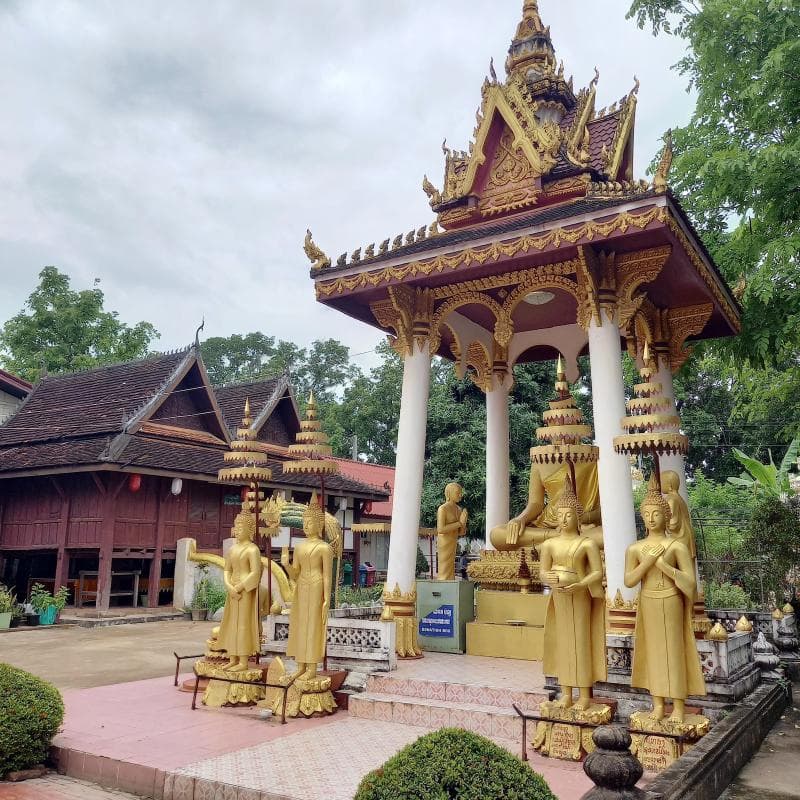
Explore the Courtyard Gardens at Wat Si Saket in Vientiane, Laos, home to thousands of ancient Buddha images and rich history.
Overview
Nestled in the heart of Vientiane, Laos, within the venerable grounds of Wat Si Saket, lie the serene Courtyard Gardens. This special area, central to the temple complex, is celebrated for its remarkable collection of Buddha images and its tranquil, cloistered ambiance. It offers visitors a peaceful retreat and a profound glimpse into Laos's rich spiritual and historical tapestry. As the oldest surviving Buddhist temple in Vientiane, Wat Si Saket and its captivating Courtyard Gardens stand as a testament to resilience and enduring faith.
History & Cultural Background
Wat Si Saket was commissioned by King Anouvong, the last monarch of the Lan Xang Kingdom, and completed in 1818. This makes it the oldest continuously standing Buddhist temple in Vientiane. Its survival is a fascinating historical anecdote: during the Siamese invasion of 1828, when much of Vientiane was razed, Wat Si Saket was spared. Historians believe this was largely due to its architecture, which notably adopted a Siamese style rather than the traditional Lao design of the period. Consequently, the invading forces used it as their headquarters, inadvertently preserving this significant piece of Lao heritage. The temple served as King Anouvong's private monastery, connecting it deeply to the final chapters of the Lan Xang Kingdom and its struggle for independence.
What Makes It Special
The true heart of the Courtyard Gardens is its astounding collection of Buddha images. The cloistered walls encircling the main ordination hall are lined with thousands of niches and shelves, housing an extraordinary array of statues. Estimates suggest there are anywhere from 6,840 to over 10,000 Buddha figures within the temple complex. These images, ranging in size and style, are crafted from various materials including wood, stone, bronze, silver, and ceramic, with some dating back as early as the 16th century. This makes it one of the most impressive collections of Buddhist iconography in Southeast Asia. The surrounding gardens are meticulously maintained, providing a serene backdrop that enhances the historical atmosphere and encourages quiet contemplation.
Stories, Fun Facts & Local Details
Within the Courtyard Gardens, visitors will encounter many Buddha statues that bear the marks of time and conflict, some famously missing heads or limbs. These damaged figures are intentionally preserved, serving as a poignant reminder of the devastation of past wars and the resilience of Lao culture. Among the vast collection, you can observe unique Lao Buddha characteristics, such as the 'praying for rain' pose or the 'stop fighting' Buddha with palms facing forward, calling for peace. The temple also houses a library, which historically held ancient palm-leaf manuscripts documenting Buddhist philosophy. During the Lao New Year in mid-April, the Buddha statues are ceremonially cleansed using a 'Hang Hod,' an ornately carved wooden trough representing a Naga, through which perfumed water flows onto the images and monks—a beautiful display of local tradition.
Visitor Perspective
Stepping into the Courtyard Gardens of Wat Si Saket is an immersive experience that transcends mere sightseeing. The quiet beauty and profound historical weight of the place invite visitors to slow down and reflect. Observing the thousands of Buddha images, each with its own story, creates a sense of connection to centuries of spiritual devotion. Early morning visits are particularly recommended, offering a chance to witness local worshippers engaging in daily rituals, making merit, and offering food to the resident monks, which adds a vibrant, living dimension to the ancient site. The tranquil environment, shaded by tropical fruit trees and surrounded by ancient structures, provides a reflective atmosphere that allows for a deeper appreciation of Laos's spiritual traditions and architectural heritage.
Coordinates: 102.61166666, 17.96305555
View on Google Maps💬 How Travelers Describe This Place
Based on community votes
Photogenic
722Interesting
698Must See
465Beautiful
276Unique
126
Traveler Stories
Discover memorable experiences shared by travelers who have visited this place.
No traveler stories yet.
Be the first traveler to share what made this place memorable.

Tour
By
Spot
Discover amazing places around the world. Your journey starts here.
Explore
© 2026 TourBySpot. All rights reserved.