Courtyard Gardens
Shanghai, China
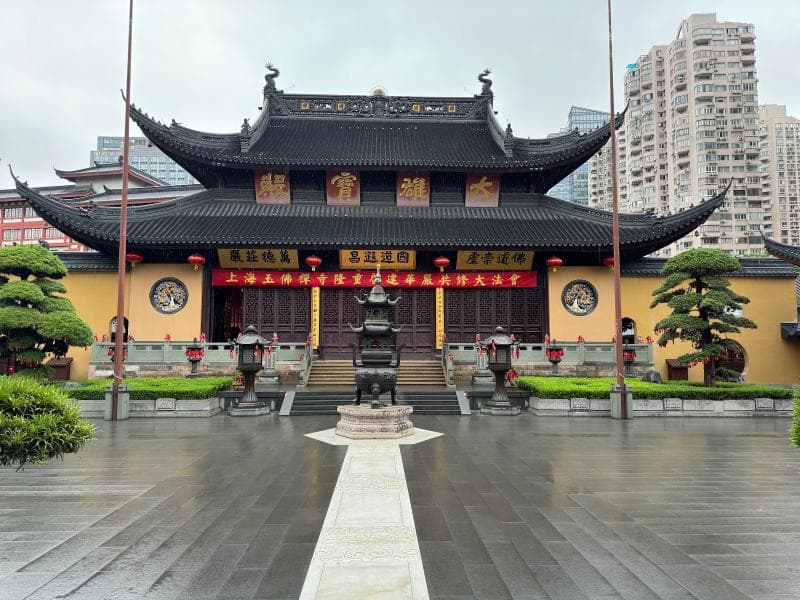
Discover the tranquil Courtyard Gardens of Shanghai's Jade Buddha Temple, offering serene beauty and spiritual reflection amidst bustling China.
Overview
Nestled within the vibrant heart of Shanghai, China, the Jade Buddha Temple stands as a serene sanctuary, and its Courtyard Gardens offer a special place for tranquility and contemplation. These gardens and courtyards are not merely decorative spaces; they are integral to the temple's design, providing a peaceful buffer from the city's ceaseless energy. As you step into these meticulously maintained areas, you are invited to slow down, breathe deeply, and immerse yourself in an atmosphere of calm that complements the spiritual significance of the temple's main halls. The Courtyard Gardens serve as quiet pathways, gently guiding visitors between the various sacred structures while offering moments of respite and beauty.
History & Cultural Background
The Jade Buddha Temple, an active Buddhist monastery, traces its origins back to 1882, when a monk named Huigen brought two precious jade Buddha statues from Myanmar to Shanghai. The temple itself, housing these revered artifacts, was rebuilt between 1918 and 1928 after the original structure was destroyed during a revolution. The Courtyard Gardens, therefore, share this rich history, evolving alongside the temple through periods of reconstruction and renewal. Traditional Chinese garden design principles are deeply embedded in their layout, reflecting a cultural appreciation for harmony between nature and architecture. These spaces embody Buddhist philosophy, where nature is seen as a path to enlightenment and inner peace, providing a setting for reflection and spiritual connection that has been cherished for generations.
What Makes It Special
What truly sets the Courtyard Gardens apart is their ability to transport visitors from the urban bustle of Shanghai into an oasis of calm. They are designed for quiet contemplation and meditation, serving as a tranquil escape. The gardens feature classic Chinese landscape elements, including ancient bonsai trees and rugged lake stones, thoughtfully arranged to create picturesque scenes. Symbolic plants such as pine, bamboo, plum, and orchid are strategically placed, offering beauty throughout the seasons and carrying deep cultural meanings of resilience, purity, and nobility. In the renovated front courtyard, a striking lotus sculpture takes center stage, evoking the concept of 'lotus blossoms at every step,' symbolizing spiritual growth and purity. The architectural layout of the temple itself embraces a 'hui' (回) shaped design, effectively enclosing multiple courtyards that become luminous spaces of light and shadow, fostering a profound sense of peace.
Stories, Fun Facts & Local Details
The Courtyard Gardens are more than just green spaces; they are living narratives within the temple complex. It is here that one can observe local Chinese Buddhists performing rituals, burning incense, and offering prayers, adding an authentic layer of spiritual ambiance to the visitor experience. The gentle murmur of chants from the monks often drifts into these courtyards, enhancing the meditative atmosphere. A practical tip for those seeking the most serene visit is to arrive early in the morning. This allows for a calmer experience, free from larger crowds, and provides ideal conditions for photography, capturing the soft morning light illuminating the intricate details of the gardens. The design encourages a natural narrative flow through the temple, with each courtyard offering a pause for reflection before moving to the next significant hall, making the journey through the temple as meaningful as the destinations themselves.
Visitor Perspective
From a visitor's perspective, the Courtyard Gardens are an essential part of the Jade Buddha Temple experience. They provide welcome moments for relaxation and an opportunity to truly enjoy the calm. These spaces are perfect for capturing memorable photographs, especially when the light is soft and the crowds are sparse. More importantly, the courtyards seamlessly connect the various halls of the temple, allowing for a cohesive and enriching exploration of the entire complex. Whether you are a devout Buddhist or simply a curious traveler, the gardens offer a deeply spiritual and culturally immersive experience. Visitors are encouraged to dress modestly, respecting the sacred atmosphere of this active place of worship. The harmonious blend of nature, architecture, and spiritual devotion makes the Courtyard Gardens a truly unforgettable highlight of any visit to the Jade Buddha Temple in Shanghai.
Coordinates: 121.4405, 31.2435
View on Google Maps💬 How Travelers Describe This Place
Based on community votes
Must See
673Photogenic
336Interesting
219Unique
186Beautiful
80
Traveler Stories
Discover memorable experiences shared by travelers who have visited this place.
No traveler stories yet.
Be the first traveler to share what made this place memorable.

Tour
By
Spot
Discover amazing places around the world. Your journey starts here.
Explore
© 2026 TourBySpot. All rights reserved.