Courtyard Gardens
Ashgabat, Turkmenistan
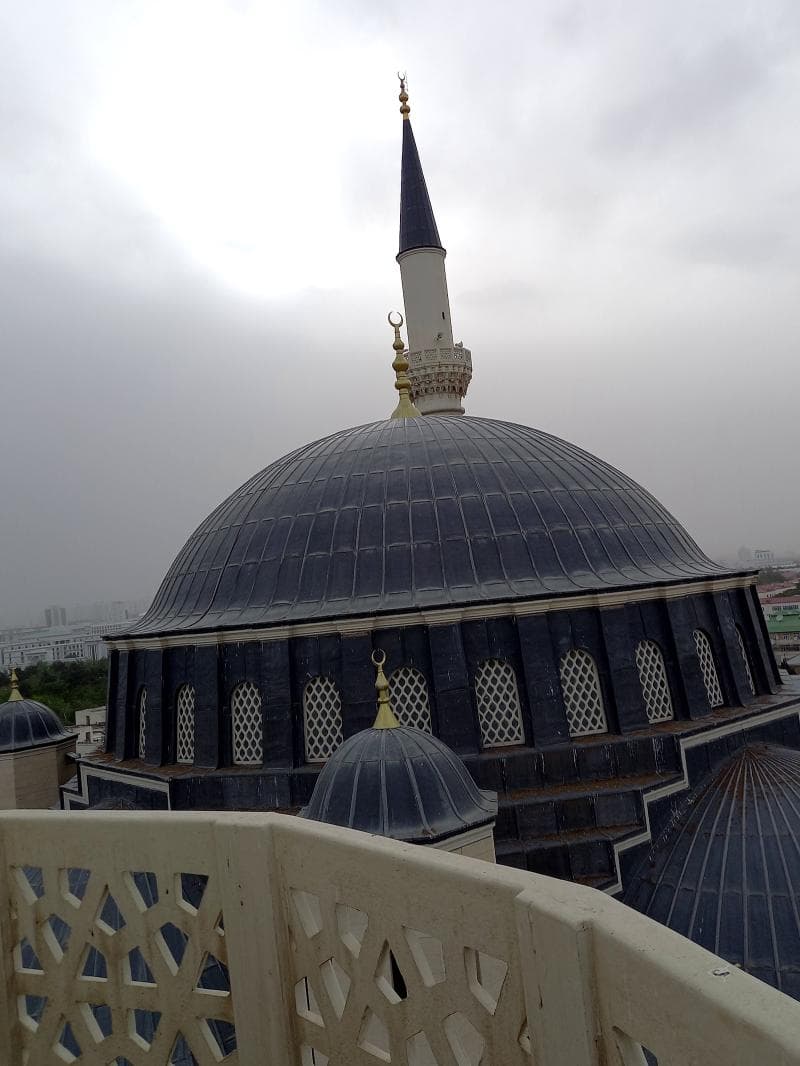
Discover the tranquil Courtyard Gardens of Ertuğrul Gazi Mosque in Ashgabat, Turkmenistan. Explore its history, unique features, and serene atmosphere.
Overview
Within the grand complex of the Ertuğrul Gazi Mosque in Ashgabat, Turkmenistan, lies a serene and expansive courtyard that serves as a tranquil heart for this magnificent place of worship. Often referred to simply as 'the courtyard', this beautifully designed space offers visitors a moment of peace and reflection amidst the mosque's imposing architecture. It acts as an antechamber to the main prayer hall, inviting contemplation before entering the sacred interior. This area is characterized by its spaciousness and a central fountain, providing a calming atmosphere that complements the mosque's spiritual essence. The courtyard's design thoughtfully integrates elements of Islamic and Byzantine architectural traditions, mirroring the mosque's overall aesthetic and providing a harmonious outdoor extension to its richly decorated indoor spaces.
The Ertuğrul Gazi Mosque itself is a prominent landmark in Ashgabat, known for its striking white marble facade, four elegant minarets, and a large central dome. It was inaugurated in 1998, shortly after Turkmenistan gained its independence, and stands as a significant symbol of the nation's cultural and religious identity. The courtyard, while not an elaborate botanical garden in the traditional sense, embodies the spirit of a 'garden' through its quiet charm and carefully arranged features, making it a peaceful oasis for worshippers and visitors alike.
History & Cultural Background
The Ertuğrul Gazi Mosque, also affectionately known as the Azadi Mosque or Turkish Mosque, was completed in 1998, a pivotal period following Turkmenistan's independence from the Soviet Union in 1990. Its construction was a testament to the nation's renewed spiritual and cultural identity, as well as a symbol of its strong ties with Turkey. The mosque is named in honor of Ertuğrul, the revered father of Osman I, who founded the Ottoman Empire. This naming signifies the deep historical and cultural connections between Turkmenistan and the Turkic world.
Designed by the architect Hilmi Şenalp, the mosque showcases a remarkable blend of Islamic and Byzantine architectural styles. This unique combination gives it a striking resemblance to the iconic Blue Mosque in Istanbul, making it a powerful visual link to a rich heritage shared across vast geographies. The architectural choices reflect a conscious effort to integrate classical Ottoman design principles with local sensibilities, creating a space that feels both grand and deeply rooted. The courtyard, central to this design, would have been conceived not just as a functional entry point but as an integral part of the spiritual journey, offering a transition from the bustling outside world to the tranquil interior.
What Makes It Special
The courtyard at Ertuğrul Gazi Mosque distinguishes itself through its harmonious integration with the mosque's impressive architecture and its role as a space for quiet contemplation. Its most notable feature is the large central fountain, which provides a soothing auditory backdrop and a visual focal point, enhancing the overall sense of tranquility. The design incorporates elegant striped arches, which one traveler noted were reminiscent of the historic architecture found in Cordoba, Spain, adding an unexpected layer of cross-cultural artistry to the experience.
While not a traditional 'garden' filled with extensive flora, the courtyard's spaciousness and uncluttered layout evoke a sense of order and serenity, much like a minimalist garden. It provides an essential open-air space where the mosque's white marble exterior truly shines, especially under the Turkmen sky. This area serves as a peaceful gathering point, allowing visitors to appreciate the intricate details of the mosque's facade—its four minarets and central dome—before or after entering the prayer hall. Its significance lies in its ability to offer a calm interlude, preparing the mind for the spiritual richness inside.
Stories, Fun Facts & Local Details
The Ertuğrul Gazi Mosque holds a unique place in local folklore, adding a layer of mystique to its architectural grandeur. A widespread local belief suggests that the mosque is 'cursed' due to several accidental deaths that occurred during its construction. This intriguing 'fun fact' is often shared among residents and adds a fascinating, albeit somber, local detail to its history. Despite this superstition, the mosque remains a highly respected and frequently visited site, cherished for its beauty and spiritual importance.
Another interesting aspect is its dual identity; it's widely known both as Ertuğrul Gazi Mosque and Azadi Mosque, the latter referring to its location on Azadi Street and meaning 'Freedom Mosque', symbolizing Turkmenistan's independence. The mosque's resemblance to Istanbul's Blue Mosque is not merely coincidental but a deliberate architectural choice, fostering a sense of connection to a broader Islamic cultural sphere. Visiting the courtyard often provides a genuine experience of Ashgabat's spiritual side, offering a refreshing contrast to the city's more modern, often extravagant, white marble buildings. It is a place where one can observe daily life and devotion, especially after the call to prayer, when it buzzes with a quiet reverence.
Visitor Perspective
For any traveler to Ashgabat, experiencing the courtyard of the Ertuğrul Gazi Mosque is an essential part of visiting this architectural marvel. Stepping into the courtyard from the surrounding city immediately brings a sense of calm and order. The spaciousness, framed by the mosque's majestic white marble walls and the elegant minarets reaching skyward, creates a profound impression. The gentle sounds of the central fountain enhance this peaceful atmosphere, inviting visitors to pause and take a moment for quiet reflection.
Visitors often describe the courtyard as an ideal spot to appreciate the exterior details of the mosque, from the intricate carvings on its facade to the majestic proportions of its dome. It's a place where one can truly feel the blend of history and spirituality that the mosque embodies. Observant travelers might notice the blue and white striped arches, a detail that adds an unexpected visual charm and historical resonance. Modest dress is recommended when visiting, respecting the mosque's sacred nature. This tranquil space provides not just a path to the prayer hall, but a memorable experience in itself, allowing a deeper connection to the cultural and spiritual heart of Ashgabat.
Coordinates: 58.39903449768865, 37.932912468911205
View on Google Maps💬 How Travelers Describe This Place
Based on community votes
Photogenic
953Unique
695Beautiful
396Must See
286Interesting
22
Traveler Stories
Discover memorable experiences shared by travelers who have visited this place.
No traveler stories yet.
Be the first traveler to share what made this place memorable.

Tour
By
Spot
Discover amazing places around the world. Your journey starts here.
Explore
© 2026 TourBySpot. All rights reserved.