Courtyard
Lviv, Ukraine
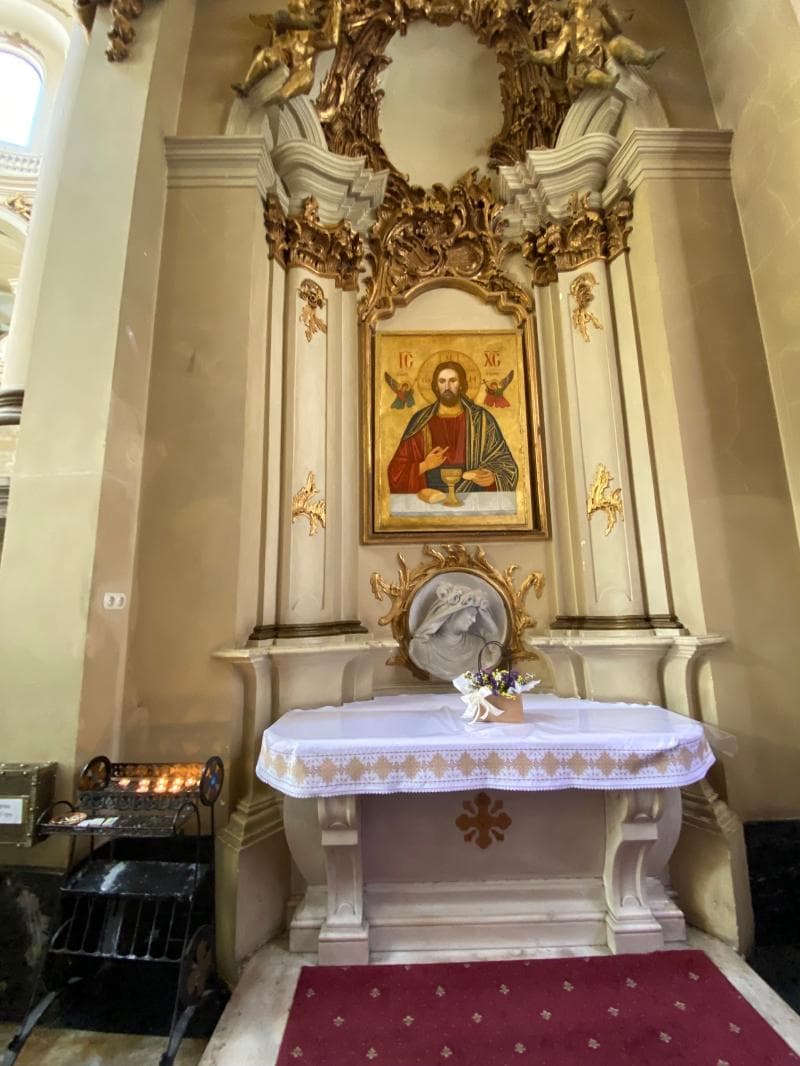
Discover the tranquil, historic Courtyard of the Dominican Cathedral in Lviv, Ukraine. Explore centuries of monastic life and unique architecture.
Overview
Tucked within the grand Baroque architecture of the Dominican Cathedral in Lviv, Ukraine, lies a serene and historically rich courtyard. Often overshadowed by the church's magnificent facade and soaring dome, this quiet space offers a profound glimpse into centuries of monastic life and Lviv's layered past. While the Dominican Church, now known as the Church of the Holy Eucharist, commands attention with its imposing presence and Baroque splendor, the adjacent monastery complex and its courtyard provide a contemplative contrast. It serves as a testament to the enduring legacy of the Dominican Order in Lviv, dating back to the 13th century. Today, parts of the monastery buildings, including areas accessible to visitors, house the Lviv Museum of the History of Religion, allowing a unique integration of sacred history and cultural exploration.
History & Cultural Background
The Dominican presence in Lviv began in the 13th century, initiated by Princess Constance, wife of Prince Lev Danylovych. Over the centuries, the site has been home to several Dominican churches and monasteries, each rising from the ashes of previous structures lost to fires and sieges. The current magnificent Baroque church, designed by Jan de Witte, was constructed between 1749 and 1764, replacing a Gothic church that had stood there since the 15th century. The monastery buildings, which encompass the courtyard, underwent their own extensive development, featuring elements from Gothic, Renaissance, and Baroque periods through reconstructions in the 15th, 16th-17th, and late 18th centuries. Historically, the monastery was a vibrant hub, housing an archive, a hospital, a library, and even a pharmacy. It also included an arsenal and a prison for monks, demonstrating its self-sufficient and sometimes complex role within the community.
What Makes It Special
What truly sets the Dominican Cathedral's courtyard apart is its historical authenticity and tranquil atmosphere. A significant part of the monastery courtyard, framed by a portico, has been preserved, offering a rare architectural continuity from earlier periods. The completion of a second wing in the monastery also led to the creation of an additional courtyard, reflecting the complex's growth over time. Stepping into this space, one can almost feel the echoes of centuries past. It provides a quiet refuge from the bustling city outside, allowing visitors to appreciate the intricate details of the monastery's enduring architecture. Unlike the grandiosity of the main church, the courtyard offers a more intimate scale, inviting contemplation. This connection to the monastery's daily life—where monks lived, studied, and worked—makes the courtyard a uniquely grounded and reflective space.
Stories, Fun Facts & Local Details
The monastery complex, and by extension its courtyards, played a role in some dramatic Lviv legends. One famous tale from the 16th century involves the noblewoman Halshka Ostrogska, a wealthy heiress who sought refuge within the monastery during a bitter marriage dispute. The monastery was besieged by armed men, and its water supply was cut, eventually leading to her surrender. This 'war for the bride' became a significant local story, adding a romantic and tumultuous layer to the monastery's history. Beyond historical drama, the monastery was also a center for culture and education. Records indicate that theatrical performances by schoolchildren took place here as early as the mid-16th century, representing some of the earliest references to theater in Lviv. Imagine the monks and local community gathering in the very spaces that now form the courtyard, watching these early productions unfold. These details highlight the monastery's multifaceted role not just as a religious institution, but as a social and cultural anchor for the city.
Visitor Perspective
For the curious traveler, visiting the courtyard of the Dominican Cathedral offers a journey through time. It's a chance to step away from the magnificent Baroque interior of the church and discover a quieter, yet equally profound, side of the complex. The monastery buildings, which house the Lviv Museum of the History of Religion, allow visitors to explore the historical narratives associated with this site. The courtyard, with its preserved portico, invites visitors to pause and imagine the lives that unfolded within its walls. It's a place to reflect on the resilience of faith, the passage of time, and the continuous rebirth of this historic site. The architectural blend of Gothic, Renaissance, and Baroque elements within the monastery's structure makes it a fascinating exploration for anyone interested in Lviv's rich heritage and the often-hidden stories behind its most famous landmarks.
Coordinates: 24.03417, 49.84278
View on Google Maps💬 How Travelers Describe This Place
Based on community votes
Unique
585Must See
550Interesting
546Photogenic
92Beautiful
56
Traveler Stories
Discover memorable experiences shared by travelers who have visited this place.
No traveler stories yet.
Be the first traveler to share what made this place memorable.

Tour
By
Spot
Discover amazing places around the world. Your journey starts here.
Explore
© 2026 TourBySpot. All rights reserved.