Courtyard
Istanbul, Turkey
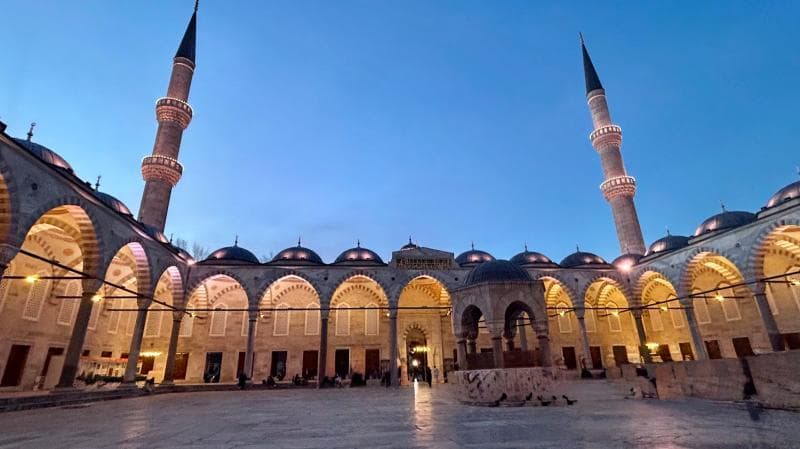

Discover the majestic Courtyard of the Blue Mosque in Istanbul, Turkey. Explore its history, architecture, and spiritual significance.
Overview
The Courtyard of the Blue Mosque, officially known as the Sultan Ahmed Mosque, serves as a magnificent prelude to one of Istanbul’s most iconic landmarks. This grand forecourt, nearly as expansive as the prayer hall itself, is a quintessential element of classical Ottoman mosque architecture. It acts as a symbolic and physical transitional zone, guiding visitors and worshippers from the bustling world outside to the serene sacred space within. Enclosed by a continuous vaulted arcade, the courtyard features a harmonious design that sets the tone for the spiritual journey ahead. At its heart lies a hexagonal ablution fountain, known as a şadırvan, though modern ablution facilities are now typically found outside the main courtyard. The sheer scale and thoughtful design of the courtyard immediately impress, preparing one for the architectural splendor that defines the mosque.
History & Cultural Background
The construction of the Blue Mosque and its impressive courtyard began in 1609 and was completed in 1616, under the patronage of Sultan Ahmed I. This period marked a time when the Ottoman Empire sought to reassert its might and faith through grand architectural statements. Designed by the architect Sedefkar Mehmed Ağa, a pupil of the legendary Mimar Sinan, the mosque was strategically positioned directly opposite the Hagia Sophia, then a converted mosque, signaling a visual dialogue between Byzantine and Ottoman imperial power. The mosque’s location was also significant, built on the site of the former Byzantine Hippodrome, a place steeped in ancient history. The courtyard’s design reflects the Ottoman aesthetic of balancing monumental scale with intricate detail, providing an open, yet contained, space for community gathering and spiritual preparation. It formed part of a larger complex, or külliye, which historically included a madrasa and other public facilities, underscoring its role as a vibrant community hub.
What Makes It Special
What truly sets the Blue Mosque’s courtyard apart is its profound architectural and spiritual function as a 'gateway from the profane to the sacred'. Its dimensions, almost mirroring the prayer hall, create a sense of balance and grandeur that is unique. The continuous arcade, known as a revak, encircling the courtyard is roofed with thirty small domes, offering a sense of enclosure and peacefulness that shields visitors from the outside world. This architectural element was designed to prepare the worshipper, encouraging a state of mental and spiritual purity before prayer. The central şadırvan, while primarily for ritual ablution, also serves as a focal point, its intricate design often embellished with tile work and calligraphy, adding to the courtyard’s visual appeal. The light filtering through the arcades and the open sky above further enhance the tranquil atmosphere, making the courtyard not merely an entrance, but an integral part of the mosque's spiritual experience.
Stories, Fun Facts & Local Details
One fascinating detail associated with the courtyard’s entry to the prayer hall is the heavy chain that used to hang across the western gateway. This chain was deliberately positioned low, requiring anyone, even the Sultan himself, to bow their head when entering. This served as a powerful symbolic gesture, reminding everyone of God's omnipotence and promoting humility before the divine, irrespective of earthly status. Another interesting aspect relates to the mosque’s financing; unlike many imperial mosques which were funded by war spoils, Sultan Ahmed I funded the Blue Mosque from the imperial treasury, a decision that caused some controversy at the time due to his lack of significant military conquests. During excavations in the early 20th century, some ancient seats from the Byzantine Hippodrome, upon which the mosque was built, were discovered within the courtyard, connecting the site even more deeply to Istanbul's layered past.
Visitor Perspective
For today's traveler, the courtyard offers the first breathtaking impression of the Blue Mosque. Stepping into this vast open space, flanked by six towering minarets, is an awe-inspiring experience. It is a place where you can pause, absorb the grandeur of Ottoman architecture, and appreciate the intricate details of the exterior before entering the prayer hall. The courtyard provides ample space for photography, capturing the iconic cascade of domes and the elegant minarets against the Istanbul sky. It's a key gathering point for visitors and a popular spot to observe the local atmosphere, sometimes even seeing cats roaming freely, adding a touch of charm. When planning a visit, it's helpful to remember that the mosque, including its courtyard, is an active place of worship. Therefore, tourist access is paused during the five daily prayer times, ensuring a respectful and serene environment for worshippers. A stroll through the airy courtyard is essential to fully appreciate the architectural genius and spiritual significance of this historical gem.
Coordinates: 28.9768247, 41.0053851
View on Google Maps💬 How Travelers Describe This Place
Based on community votes
Beautiful
996Unique
726Interesting
717Photogenic
335Must See
193
Traveler Stories
Discover memorable experiences shared by travelers who have visited this place.
No traveler stories yet.
Be the first traveler to share what made this place memorable.

Tour
By
Spot
Discover amazing places around the world. Your journey starts here.
Explore
© 2026 TourBySpot. All rights reserved.