Costume Workshops
Oslo, Norway
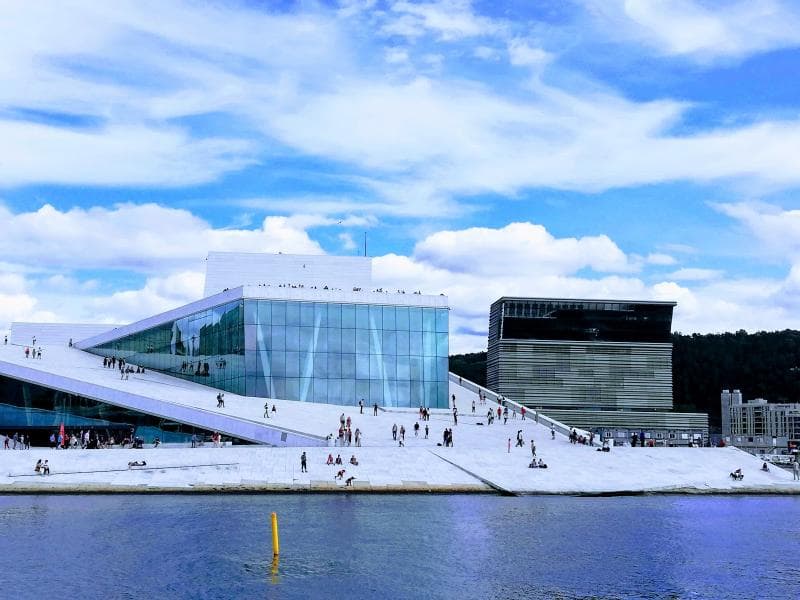
Explore the Costume Workshops at the Oslo Opera House in Oslo, Norway. Discover the artistry behind opera and ballet costumes, from design to creation.
Overview
Deep within the architectural marvel that is the Oslo Opera House, nestled in the vibrant Bjørvika neighborhood of central Oslo, lies a fascinating world often hidden from public view: the Costume Workshops. These dynamic spaces are the creative heart where the magic of opera and ballet costumes comes to life. Far from being mere storage rooms, the workshops are buzzing hubs of artistry and meticulous craftsmanship, housing a dedicated team of professionals who design, construct, alter, and maintain the elaborate attire essential for every performance by the Norwegian National Opera and Ballet.
Visitors embarking on a backstage tour of the Oslo Opera House have the unique opportunity to peek into this intricate world, gaining an appreciation for the immense skill and effort involved in theatrical production. The Costume Workshops are not just about sewing; they represent a blend of historical knowledge, artistic vision, and modern techniques, all working in concert to clothe characters and transport audiences to different worlds.
History & Cultural Background
The Oslo Opera House, home to the Norwegian National Opera and Ballet, opened its doors in 2008, quickly becoming an iconic symbol of Norway's commitment to the arts. However, the institution itself has a richer history, with the Norwegian National Opera giving its first performance in 1958. From its inception, the theatrical arts have relied on compelling visual elements, and costumes have always played a pivotal role in defining characters, eras, and moods. The Costume Workshops are a direct continuation of this long tradition, evolving with the demands of new productions and changing artistic styles.
The creation of costumes for opera and ballet is a demanding art form, requiring not only tailoring expertise but also an understanding of movement, stage lighting, and historical accuracy. The workshops support the core mission of the Norwegian National Opera and Ballet, which is to present performances of the highest artistic quality, contributing significantly to Norway's cultural landscape. The environment here fosters creativity and precision, ensuring that each costume is a work of art in itself, integral to the storytelling on stage.
What Makes It Special
What truly sets the Costume Workshops apart is the sheer scale and specificity of their operation. Approximately 40 people work daily in the costume design workshop, each contributing specialized skills to outfit the performers. Beyond the main sewing rooms, there's even a dedicated dyeing workshop, employing three individuals whose sole focus is to color fabrics and print custom patterns, ensuring that every hue and texture precisely matches the designer's vision. This level of in-house specialization highlights the commitment to producing bespoke, high-quality costumes.
Furthermore, the workshops are a nexus of international collaboration. Freelance costume designers from around the world bring their unique artistic concepts to the Oslo Opera House, working closely with the local craftspeople to translate their drawings into tangible garments. This collaborative spirit enriches the creative process, blending diverse perspectives with Norwegian craftsmanship. The architectural design of the Opera House even incorporates elements of transparency, with large glass windows offering glimpses into some backstage areas, symbolizing the openness and accessibility of the artistic process to the public.
Stories, Fun Facts & Local Details
Imagine the intricate details involved in creating a single costume: from initial sketches and fabric selection to countless fittings and meticulous hand-stitching. Each costume is tailor-made for a specific dancer or singer, ensuring not only aesthetic perfection but also the freedom of movement crucial for their performances. This means that a tutu for a ballet dancer is crafted with different considerations than an elaborate gown for an opera diva, though both require exceptional skill.
A lesser-known fact is the existence of the dying workshop, a vibrant space where plain fabrics are transformed into vivid textiles, often reproducing historical patterns or creating entirely new ones specific to a production. It's a place where colors are born, adding another layer of visual richness to the stage. These workshops are a continuous cycle of creation and recreation; costumes are often altered, repaired, and even restored, like precious museum pieces, to be used in future productions, extending their life and maximizing resources. This dedication to sustainability and longevity is a testament to the respect for both artistry and materials.
Visitor Perspective
For the curious traveler, a visit to the Costume Workshops offers an unparalleled glimpse behind the curtain of the performing arts. Guided backstage tours are regularly offered, allowing visitors to walk through the corridors where performers prepare and technicians perfect their craft. These tours typically last around 50 minutes and provide insights into the complex logistics and advanced stage technology, alongside the creative processes in the costume workshops.
Observing the tailors, seamstresses, and dyers at work offers a profound appreciation for the artistry that underpins every opera and ballet. It's a chance to see firsthand how abstract concepts are transformed into wearable art, contributing to the spectacle on stage. While specific interaction with the craftspeople might vary, the sheer presence in these creative spaces provides a memorable and educational experience, revealing the unsung heroes who dress the drama and dance of the Oslo Opera House. It's a compelling journey into the craftsmanship that makes every performance truly unforgettable.
Coordinates: 10.7522, 59.9042
View on Google Maps💬 How Travelers Describe This Place
Based on community votes
Interesting
886Photogenic
564Beautiful
443Must See
310Unique
233
Traveler Stories
Discover memorable experiences shared by travelers who have visited this place.
No traveler stories yet.
Be the first traveler to share what made this place memorable.

Tour
By
Spot
Discover amazing places around the world. Your journey starts here.
Explore
© 2026 TourBySpot. All rights reserved.