Costume Gallery
Florence, Italy
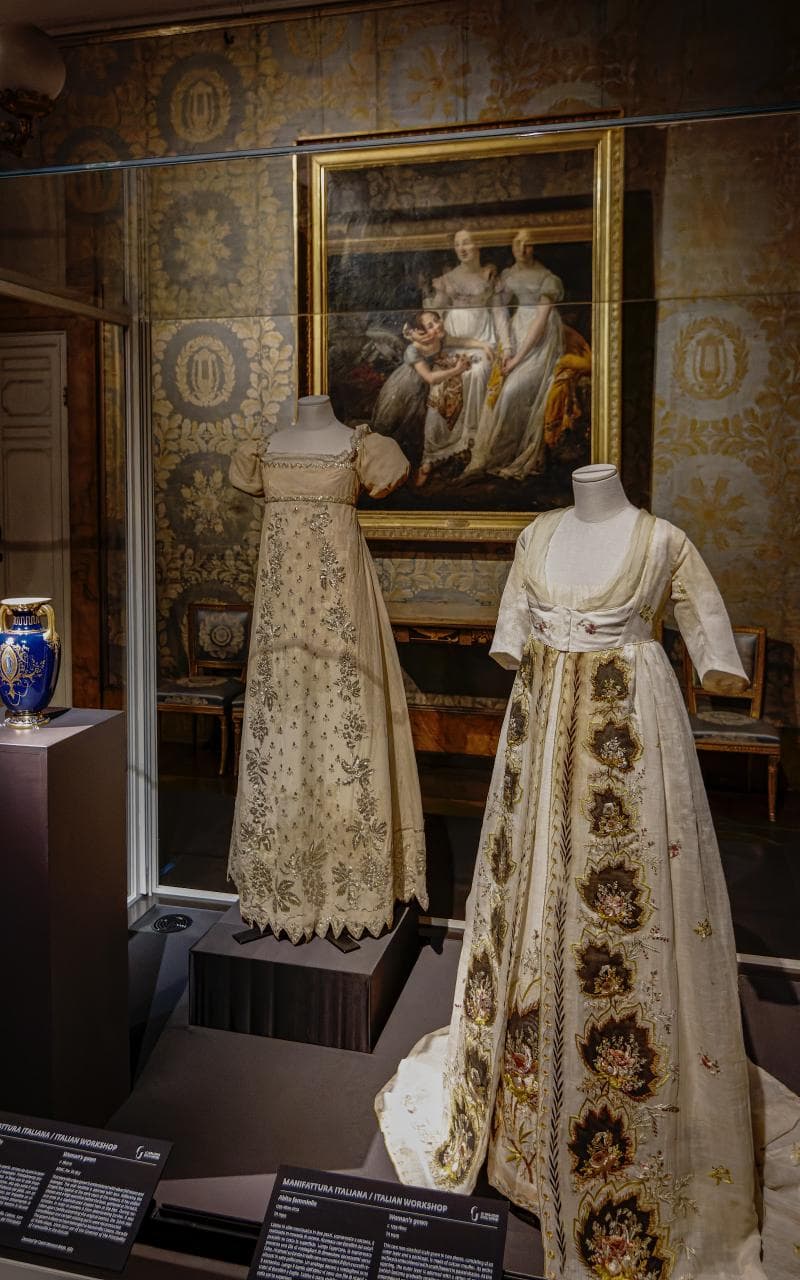
Explore the Museum of Costume and Fashion in Florence, Italy, inside Palazzo Pitti. Discover centuries of fashion, from Medici garments to haute couture.
Overview
Nestled within the grand expanse of the Palazzo Pitti in Florence, Italy, lies a captivating treasure trove for lovers of style and history: the Museum of Costume and Fashion, formerly known as the Costume Gallery. This distinguished institution holds the unique distinction of being Italy's first state-run museum entirely dedicated to the history and cultural significance of fashion. Housed in the elegant Palazzina della Meridiana, a building that itself boasts a rich past as a former royal residence, the museum offers an unparalleled journey through centuries of sartorial evolution.
Visitors can explore an extensive collection exceeding 15,000 pieces, encompassing garments, accessories, jewelry, and even theatrical costumes, spanning from the 16th century to the present day. The museum's ever-changing displays ensure that each visit offers a fresh perspective on the intricate art of dress, revealing how clothing reflects societal shifts, technological advancements, and artistic trends across time.
History & Cultural Background
The story of the Museum of Costume and Fashion is intrinsically linked to the magnificent Palazzo Pitti. Originally commissioned in 1458 by the ambitious Florentine banker Luca Pitti, the palace was later acquired by the influential Medici family in 1549, becoming their primary residence and a symbol of their immense power. Over centuries, it served as home to various ruling dynasties, including the Habsburg-Lorraine and Savoy families, each leaving their indelible mark on its opulent interiors.
The museum itself was founded in 1983, a pivotal moment in recognizing fashion as a significant art form deserving of dedicated preservation and study. It occupies the Palazzina della Meridiana, a building whose construction began in 1776 under Grand Duke Peter Leopold and was completed in 1830. This historical setting provides a fitting backdrop for a collection that traces the evolution of fashion within the very walls that once witnessed the daily lives and grand events of European royalty and aristocracy. The building even takes its name from an astronomical instrument, a gnomon pinhole, located in the vestibule of a Grand Prince's apartment.
What Makes It Special
What truly sets the Museum of Costume and Fashion apart is its remarkable collection and its dedication to conservation. Among its most historically significant pieces are the fully restored 16th-century funeral garments of Cosimo I de' Medici, his wife Eleonora of Toledo, and their son Garzia. These incredibly rare items offer a direct glimpse into Renaissance court attire and funerary customs.
The museum's exhibits are not static; rather, they are rotated every two years. This practice is crucial for the preservation of delicate textiles and also allows the museum to showcase more of its vast inventory, which includes creations from legendary designers such as Chanel, Gucci, Versace, Prada, and various Florentine and Neapolitan couturiers. Beyond haute couture, the collection also features exquisite stage costumes worn by renowned actors, including a significant donation from the historic Sartoria Tirelli. Each garment is displayed on custom-made mannequins designed to accurately reflect the original wearer's physique, adding an extra layer of historical authenticity.
Stories, Fun Facts & Local Details
Imagine stepping back in time and witnessing the very fabric of history. The Medici funeral garments are not merely clothes; they are powerful historical artifacts, silent witnesses to the lives and deaths of one of Europe's most influential families. The preservation of these 16th-century pieces, some from individuals who tragically died of malaria, highlights the meticulous care dedicated to the museum's collection.
A fascinating detail is the museum's approach to displaying its collection. With items rotating every two years, it ensures that visitors, even repeat ones, will always discover something new. This dynamic curation allows for thematic exhibitions, exploring fashion's dialogue with painting, sculpture, and even architecture. The museum has also celebrated the 'century of a thousand styles,' particularly focusing on 20th-century fashion, showcasing the period when Italian fashion gained global renown, with iconic pieces from designers like Gianni Versace and Jean Paul Gaultier. Historically, Palazzo Pitti's Sala Bianca was also a significant venue for early Italian runway shows from 1952 to 1982, further cementing the palace's connection to fashion history.
Visitor Perspective
Visiting the Museum of Costume and Fashion offers a unique opportunity to immerse oneself in the artistry and evolution of clothing. As you wander through the elegant rooms of the Palazzina della Meridiana, you are not just viewing garments; you are observing the stories woven into the threads of history. The curated exhibits, displayed in climate-controlled showcases, invite contemplation on how fashion reflects personal identity, social status, and cultural narratives.
Given the rotating nature of the displays, every visit promises a fresh and engaging experience, making it a compelling destination for both first-time visitors and seasoned fashion enthusiasts. It's a chance to see how styles have transformed from elaborate court attire to modern haute couture, providing a rich, educational, and visually stunning journey through the centuries. The museum successfully merges the grandeur of its historical setting with the intricate details of fashion, creating an unforgettable cultural encounter within the heart of Florence.
Coordinates: 11.2489, 43.7642
View on Google Maps💬 How Travelers Describe This Place
Based on community votes
Beautiful
995Must See
964Interesting
929Unique
730Photogenic
275
Traveler Stories
Discover memorable experiences shared by travelers who have visited this place.
No traveler stories yet.
Be the first traveler to share what made this place memorable.

Tour
By
Spot
Discover amazing places around the world. Your journey starts here.
Explore
© 2026 TourBySpot. All rights reserved.