Costume exhibits
Milan, Italy
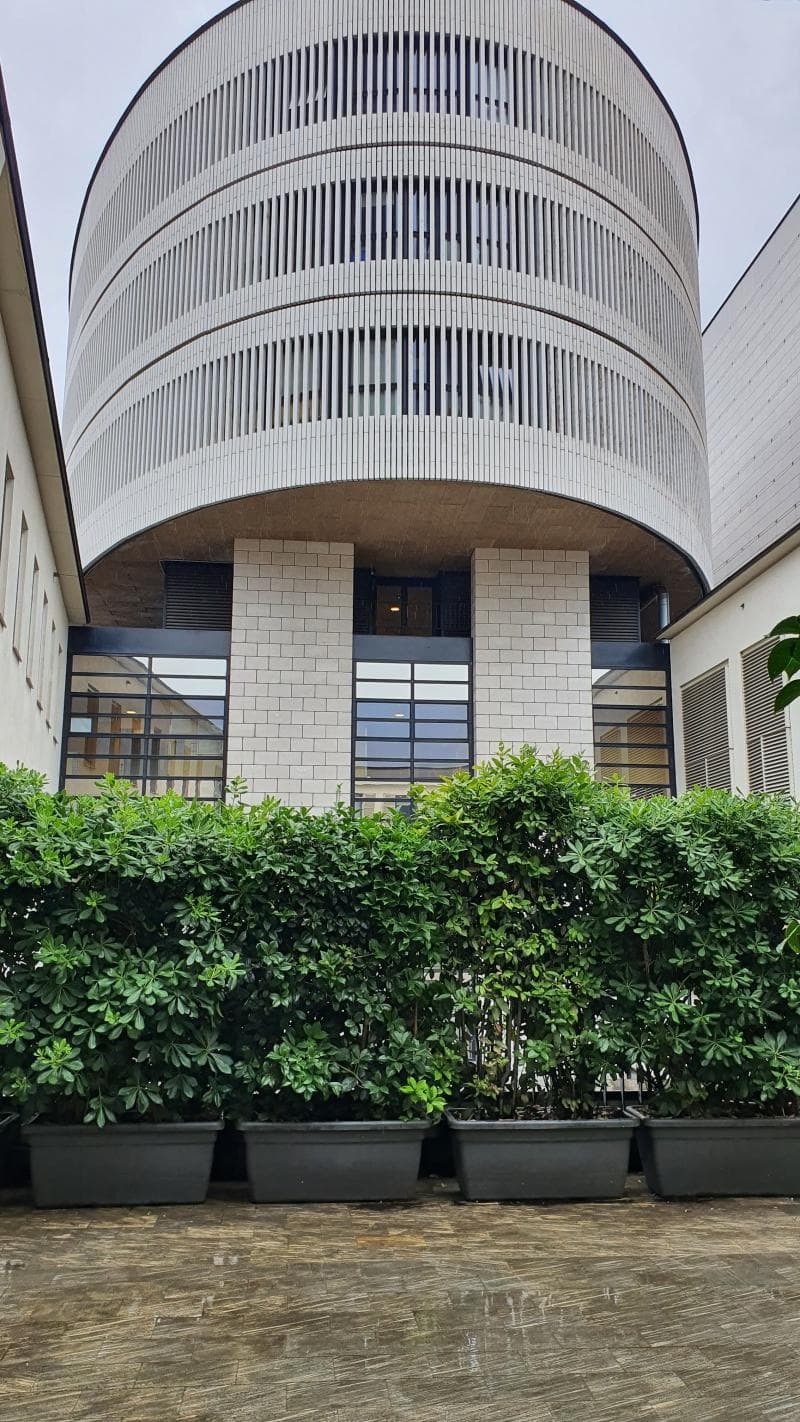
Explore the exquisite costume exhibits at Teatro alla Scala in Milan, Italy, showcasing garments worn by legends and designed by masters.
Overview
Deep within the revered walls of Teatro alla Scala in Milan, Italy, lies a treasure trove dedicated to the visual artistry of opera and ballet: the Costume exhibits. Housed primarily within the Museo Teatrale alla Scala, these exhibits offer a captivating journey through centuries of theatrical fashion, revealing the meticulous craftsmanship and artistic vision behind the iconic garments that have graced one of the world's most prestigious stages. Far more than mere clothing, these costumes are integral parts of the storytelling, reflecting historical periods, character personalities, and the grand spectacle that defines La Scala's performances.
Visitors to the Museo Teatrale alla Scala can immerse themselves in a collection that goes beyond static displays, providing a profound understanding of how costume design contributes to the magic of live theatre. The exhibits showcase garments worn by legendary performers, alongside designs by celebrated artists and fashion icons, each piece telling a unique story of operatic and balletic history. This sub-spot within La Scala is an essential destination for anyone fascinated by the intersection of art, history, and performance.
History & Cultural Background
The foundation of the Museo Teatrale alla Scala, where many of these precious costumes are displayed, dates back to the early 20th century. The museum officially opened its doors on March 8, 1913, but its origins stem from a significant event two years prior. In 1911, a remarkable private collection of theatrical memorabilia, belonging to antique dealer Jules Sambon, was put up for auction. A small but determined group of Milanese art enthusiasts and philanthropists recognized the immense cultural value of this collection and worked tirelessly to acquire it for the city. Their efforts were successful, even famously fending off an attempt by the American financier J.P. Morgan to purchase the collection, highlighting the deep local commitment to preserving theatrical heritage.
From its inception, the museum aimed to document and celebrate the history of theatre, with a particular focus on La Scala's rich legacy. Over the decades, the collection has grown significantly, incorporating costumes, set designs, musical instruments, and archives that chart the evolution of performance art. The costumes themselves reflect the changing aesthetics of different eras, from elaborate 18th-century designs to contemporary creations by modern fashion houses, demonstrating the enduring connection between fashion and the stage.
What Makes It Special
What truly sets La Scala's costume exhibits apart is the sheer depth and artistic significance of the collection. It boasts garments worn by some of the most revered figures in opera and ballet history, such as Maria Callas, Rudolf Nureyev, and Carla Fracci, allowing visitors a tangible connection to their legendary performances. Beyond the performers, the exhibits highlight the genius of costume designers, including historical figures like Caramba (Luigi Sapelli) and contemporary masters like Franco Zeffirelli, Piero Tosi, and even renowned fashion designers Gianni Versace and Karl Lagerfeld, whose works have transformed theatrical aesthetics.
The museum's displays offer a glimpse into the meticulous craftsmanship involved in theatrical costume creation. Each garment is a work of art, with incredible attention paid to fabric selection, embroidery, embellishments, and construction techniques. The archive at La Scala's Ansaldo workshop, a dedicated space outside the main theatre, is an expansive treasure chest housing approximately 60,000 costumes, making it one of the largest and most comprehensive collections in the world. This commitment to preserving such a vast and historically rich collection underscores La Scala's dedication not just to performance, but to the entire theatrical ecosystem.
Stories, Fun Facts & Local Details
The costumes at La Scala are steeped in fascinating stories. Imagine a costume designed by Franco Zeffirelli for Maria Callas, or a ballet piece worn by Rudolf Nureyev – each thread holds echoes of their dramatic portrayals and artistic brilliance. A delightful anecdote connected to the museum's founding involves the aforementioned struggle to acquire the Sambon collection, with Milanese benefactors successfully outmaneuvering American magnate J.P. Morgan, proving the city's fierce pride in its cultural heritage.
Moreover, the journey of a La Scala costume doesn't end after a performance. Many undergo careful restoration by specialized ateliers like Atelier Brancato, ensuring their preservation for future generations. The Ansaldo workshop, a vibrant hub of creativity and craftsmanship, continues to produce 800 to 1,000 new costumes every season, employing traditional tailoring techniques passed down through generations. These details reveal a living, breathing tradition where artistry flourishes, not just on stage but behind the scenes, making each costume a testament to enduring skill and passion.
Visitor Perspective
Visiting the costume exhibits at Teatro alla Scala is an immersive and inspiring experience. As a curious traveler, you'll find yourself drawn into the intricate details of each garment, appreciating the artistry that might be lost from a distance in a grand theatre setting. The exhibits provide an intimate look at how fabrics, colors, and embellishments were chosen to convey specific emotions, periods, and character traits, offering a deeper appreciation for the theatrical productions themselves.
Expect to encounter both permanent displays and rotating temporary exhibitions, which often highlight specific themes, designers, or performers, such as the recent 'Fantasmagoria Callas' exhibition. These dynamic presentations ensure that there is always something new to discover, even for repeat visitors. The carefully curated displays are designed to educate and inspire, transforming a simple viewing into a profound encounter with theatrical history and artistic excellence. It's an opportunity to connect with the grandeur and history of La Scala on a very personal and visually stunning level.
Coordinates: 9.18917, 45.4675
View on Google Maps💬 How Travelers Describe This Place
Based on community votes
Interesting
680Photogenic
588Unique
432Beautiful
316Must See
196
Traveler Stories
Discover memorable experiences shared by travelers who have visited this place.
No traveler stories yet.
Be the first traveler to share what made this place memorable.

Tour
By
Spot
Discover amazing places around the world. Your journey starts here.
Explore
© 2026 TourBySpot. All rights reserved.