Contemporary Galleries
Vilnius, Lithuania
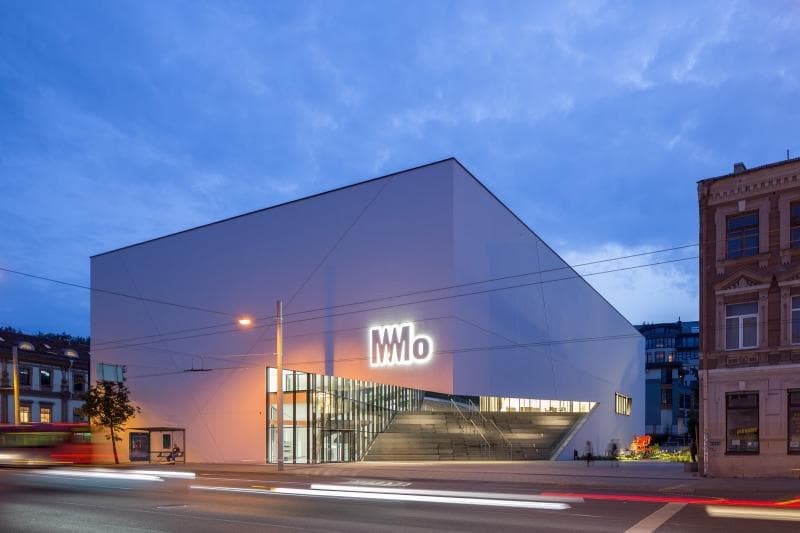
Explore Contemporary Galleries at MO Museum in Vilnius, Lithuania, featuring 6,000+ modern and contemporary Lithuanian artworks from the 1950s.
Overview
The Contemporary Galleries within the MO Museum in Vilnius, Lithuania, represent a vibrant hub for modern and contemporary art in the Baltic region. Opened in October 2018, this institution is not merely a building but a cultural 'gateway' connecting Vilnius' medieval Old Town with its more modern 18th-century grid. Founded by Lithuanian scientists and philanthropists Danguolė and Viktoras Butkus, the MO Museum emerged from nearly a decade as an 'art museum without walls,' showcasing a deeply personal commitment to making art accessible to everyone. Its architecture, designed by the renowned Daniel Libeskind in collaboration with Do Architects, is a striking feature, characterized by a luminous white facade and a dramatic spiral staircase that invites exploration.
The museum houses a significant collection of approximately 6,000 modern and contemporary Lithuanian artworks, spanning from the 1950s and 1960s to the present day. This collection, recognized as being of national significance, offers a comprehensive visual narrative of Lithuania's cultural evolution, including pieces that challenged the artistic and political norms of the Soviet era. Visitors can immerse themselves in a diverse range of artistic expressions, from paintings and graphics to photography, video art, and various interdisciplinary works. Beyond its compelling exhibitions, the MO Museum is a dynamic space that hosts film screenings, educational programs, concerts, and various events, fostering a lively and engaging environment for all ages.
History & Cultural Background
The story of MO Museum's Contemporary Galleries began in 2008 when Danguolė and Viktoras Butkus, driven by a passion for art, started assembling what would become one of Lithuania's largest private art collections. For almost a decade, this collection existed as an 'art museum without walls,' with its founders actively engaging with the art community and preserving valuable works. Their initiative was recognized in 2011 when the collection was officially granted 'national significance' status.
The museum's physical realization in 2018 marked a pivotal moment for Lithuanian culture. The architectural design by Daniel Libeskind, his first cultural project in the Baltics, aimed to create a symbolic link between Vilnius' historic past and its modern identity, occupying the site of the former Lietuva Cinema. The collection itself is a testament to the resilience and creativity of Lithuanian artists, particularly those who worked during the Soviet period. Many of the collected works were considered ideologically unacceptable by the Soviet regime and were consequently overlooked by state museums. By bringing these pieces to light, the MO Museum provides crucial historical and cultural context, illustrating how art reflected and responded to the country's changing social and political circumstances over the decades.
What Makes It Special
What truly sets the Contemporary Galleries of the MO Museum apart is its profound dedication to Lithuanian modern and contemporary art, presented within a globally recognized architectural masterpiece. The building itself, with its minimalist white exterior and a dramatic, sculptural spiral staircase, is a work of art, designed by Daniel Libeskind to be a 'cultural gateway.' This architectural vision creates a journey for visitors, connecting the street level with upper galleries and offering unique perspectives on the surrounding city.
The collection's emphasis on Lithuanian artists from the 1960s onwards is particularly significant, as it includes many works that were created under the challenging conditions of Soviet occupation. These pieces offer rare insights into a period where artistic expression often defied political constraints, revealing a rich tapestry of creativity that might otherwise have been lost or forgotten. The museum's philosophy extends beyond mere display; it actively seeks to engage the public, transforming visitors from passive observers into active participants through its diverse educational programs, workshops, and community events. This commitment to accessibility and dialogue ensures that the art is not just seen but experienced and understood within its broader cultural context.
Stories, Fun Facts & Local Details
A fascinating aspect of the MO Museum's journey is its origin as an 'art museum without walls' for nearly a decade, existing solely as a private collection meticulously built by its founders, Danguolė and Viktoras Butkus, before finding its permanent home. This unique beginning underscores the deep personal investment and philanthropic spirit behind the museum. The building's architect, Daniel Libeskind, famously stated that despite being his smallest project, it is one of his favorites, and it marked the first time he used a circular form in his design, notably seen in the iconic spiral staircase.
The museum is situated on a site with its own historical significance, where the 'Lietuva Cinema,' one of the oldest and first Lithuanian movie theaters, once stood. The MO Museum thus revives a culturally iconic space in Vilnius, bridging past and present through its modern architectural form. Inside, visitors might catch a glimpse 'behind the scenes' through interior glazed openings that reveal the collection storage vault, offering a playful and unexpected transparency to the museum's operations. The MO Museum also extends its reach beyond its walls; for instance, in 2010, its team visited numerous schools and communities with the 'Travelling Museum' project, aiming to introduce Lithuanian culture in non-traditional, engaging ways.
Visitor Perspective
Visiting the Contemporary Galleries at the MO Museum offers a deeply enriching and thought-provoking experience for any curious traveler. Upon entering, the bright, open spaces and the striking architectural elements immediately set a tone of modern sophistication and intellectual curiosity. The museum's design, with its emphasis on natural light and an easily navigable layout, encourages a leisurely exploration of the artworks.
Travelers often praise the museum's ability to present complex historical and cultural narratives through art in an accessible manner. The collection, featuring art from the 1950s to today, acts as a visual timeline of Lithuania's journey, making it a compelling destination for those interested in the country's modern history and artistic development. The presence of artworks that once defied Soviet censorship adds a layer of depth, offering a powerful testament to artistic freedom. Beyond the main exhibitions, the MO Museum fosters an interactive atmosphere with its reading room, cafe, and sculpture garden, providing spaces for reflection and relaxation. Many visitors highlight the thoughtful curation and the overall welcoming ambiance, suggesting that whether you are an art connoisseur or a casual observer, the MO Museum provides a memorable and insightful engagement with Lithuanian contemporary art.
Coordinates: 25.277744, 54.67947
View on Google Maps💬 How Travelers Describe This Place
Based on community votes
Photogenic
551Interesting
547Unique
336Beautiful
219Must See
186
Traveler Stories
Discover memorable experiences shared by travelers who have visited this place.
No traveler stories yet.
Be the first traveler to share what made this place memorable.

Tour
By
Spot
Discover amazing places around the world. Your journey starts here.
Explore
© 2026 TourBySpot. All rights reserved.