Conical Roof and Exterior Façade
Istanbul, Turkey
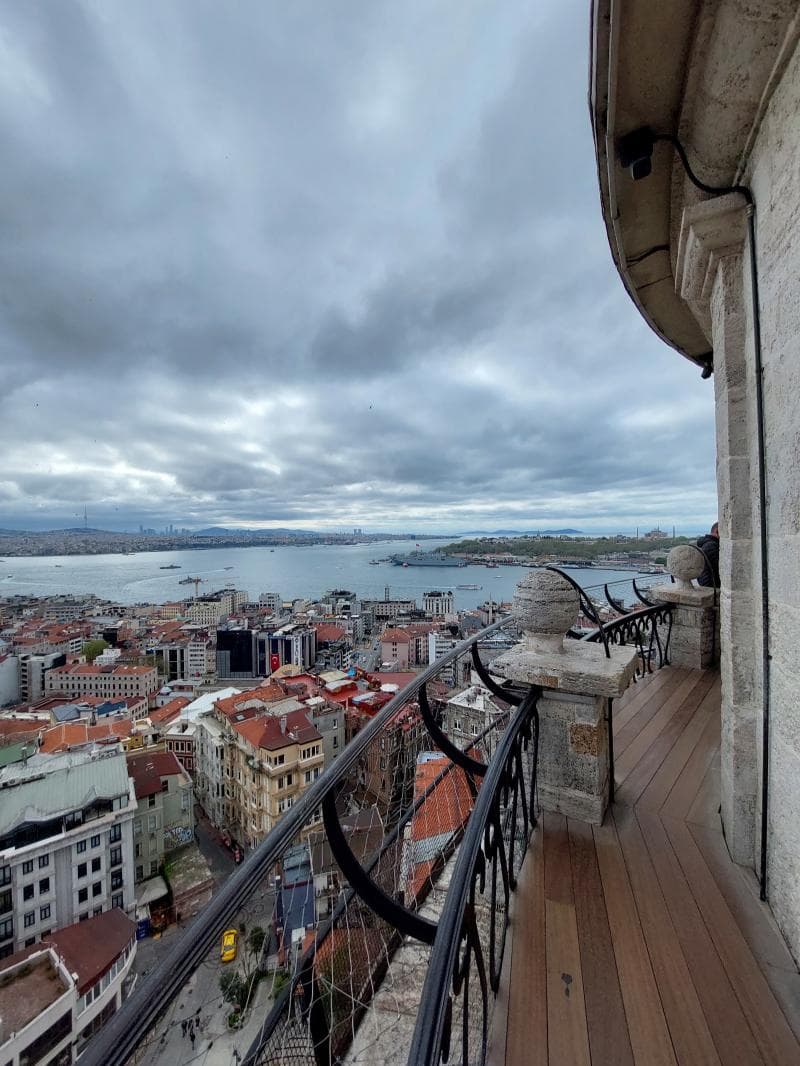
Explore the iconic Conical Roof and Exterior Façade of Galata Tower in Istanbul, Turkey. Uncover its rich history, unique architecture, and fascinating legends.
Overview
Perched majestically atop a hill in Istanbul's Beyoğlu district, the Galata Tower stands as a timeless sentinel overlooking the vibrant city, the Golden Horn, and the Bosphorus. An iconic symbol of Istanbul, this medieval stone tower is instantly recognizable by its distinctive conical roof and sturdy exterior facade. Recently transformed into a museum and exhibition space, the Galata Tower offers visitors a unique journey through centuries of history. Its commanding presence is not merely aesthetic; it embodies a rich tapestry of architectural evolution and cultural narratives.
Standing approximately 62.59 meters tall (excluding its ornamental pole), the tower's cylindrical body and the sharply pointed conical roof create a silhouette that has graced countless postcards and panoramic views of Istanbul. The exterior, predominantly constructed from a masonry rubble stone system, showcases a blend of robust medieval engineering and later Ottoman embellishments. This impressive structure, included in the UNESCO World Heritage Tentative List in 2013, draws the eye and invites contemplation of the many stories held within its ancient walls.
History & Cultural Background
The history of the Galata Tower's conical roof and exterior facade is as layered as Istanbul itself. While an earlier tower, 'Megalos Pyrgos,' was built by Byzantine Emperor Justinian I around 507-508 AD, the current structure was primarily rebuilt by the Genoese in 1348-1349. Known then as 'Christea Turris' (Tower of Christ), it featured a cross on its cone, symbolizing the Genoese colony's presence. The initial Genoese construction utilized a rubble-core masonry technique, with carefully dressed limestone blocks forming the exterior facing, providing both aesthetic appeal and structural integrity.
Following the Ottoman conquest of Constantinople in 1453, the tower transitioned from a Genoese watchtower to serving various imperial purposes, including a prison, an observatory, and crucially, a fire watchtower. This change in function often led to structural modifications, particularly to the upper sections. The conical roof, which is now one of its most defining features, has a particularly interesting past of successive destruction and reconstruction. After a devastating fire in 1831, Sultan Mahmud II oversaw significant repairs, adding two more floors and reinstating the iconic cone-shaped roof. However, historical photographs suggest the conical roof was removed by 1862 and may have been impacted by a storm in 1875. The conical roof we see today is a result of extensive restoration efforts undertaken between 1965 and 1967, meticulously recreating its historic appearance. Further restoration work, focusing on extending the lifecycle of the copper finial, was also carried out in 2023.
What Makes It Special
The Conical Roof and Exterior Façade of Galata Tower are special for several compelling reasons. The tower's cylindrical shape, crafted from solid stone, reflects medieval military architecture, demonstrating remarkable engineering prowess that has allowed it to withstand centuries of earthquakes, fires, and conflicts. The tapering of its walls, from 3.75 meters at the base to around 2 meters at the upper levels, not only reduces weight and improves stability but also creates an optical illusion, making the tower appear even taller.
The current conical roof, restored to its historical design, is not merely decorative; it provides protection from the elements, shielding the interior from rain and snow. This distinctive crown, combined with the tower's Romanesque architectural style and its integration of Genoese and Ottoman elements, tells a story of cultural amalgamation etched in stone. The exterior facade, with its large jointed masonry and brick-knit circular arched windows, subtly communicates its diverse past. Furthermore, the tower's exterior is frequently used as a canvas for special illuminations, projections, and awareness campaigns, adding a dynamic and contemporary layer to its ancient charm, making it a focal point in Istanbul's urban landscape.
Stories, Fun Facts & Local Details
The Galata Tower's conical roof and exterior facade are steeped in fascinating stories and local lore. Perhaps the most famous tale associated with the tower involves Hezarfen Ahmed Çelebi. In the 17th century, this daring Ottoman polymath supposedly strapped on wooden wings and achieved the first intercontinental flight, gliding from the tower across the Bosphorus to Üsküdar. While the authenticity of this story is debated, it powerfully captures the spirit of ambition and wonder inspired by the tower's height and commanding presence.
Another endearing local legend speaks of romance: if a man and a woman ascend the Galata Tower together for the very first time, they are destined to marry. However, the spell is broken if either has visited the tower alone before. A related, more whimsical legend tells of a passionate love affair between the Galata Tower and the Maiden's Tower (Kız Kulesi), separated by the Bosphorus. It is said that Hezarfen Ahmed Çelebi, during his legendary flight, carried love letters from the Galata Tower to its beloved, alleviating centuries of longing. Beyond these romantic notions, the tower's exterior facade often serves as a public canvas. It's illuminated with various colors or features projected visuals to commemorate special occasions, raise awareness for causes, or celebrate significant events in Istanbul, making it a living part of the city's emotional landscape.
Visitor Perspective
For the curious traveler, encountering the Conical Roof and Exterior Façade of the Galata Tower is an experience that blends historical appreciation with breathtaking views. The journey to the top culminates in an observation balcony located just below the conical roof, offering unparalleled panoramic vistas of Istanbul. From this vantage point, one can trace the Golden Horn winding through the city, witness the majestic Bosphorus, and marvel at the sprawling urban tapestry below, feeling truly connected to centuries of history that unfolded from this very spot.
Since its restoration in 2020, the tower has been re-established as a museum, providing exhibition areas that delve into its multifaceted past. Walking around the exterior, visitors can observe the Romanesque architectural elements and the strategic advantages of its cylindrical design. The sturdy stone construction, with walls that once served as a formidable defense, now stands as a testament to human ingenuity and resilience. The interplay of light and shadow on its textured facade, especially during sunrise or sunset, provides countless opportunities for photography and quiet reflection on the tower's enduring legacy as a symbol of Istanbul.
Coordinates: 28.9742, 41.0256
View on Google Maps💬 How Travelers Describe This Place
Based on community votes
Interesting
896Must See
102Beautiful
102Unique
95Photogenic
28
Traveler Stories
Discover memorable experiences shared by travelers who have visited this place.
No traveler stories yet.
Be the first traveler to share what made this place memorable.

Tour
By
Spot
Discover amazing places around the world. Your journey starts here.
Explore
© 2026 TourBySpot. All rights reserved.