Communist History Exhibits
Tirana, Albania
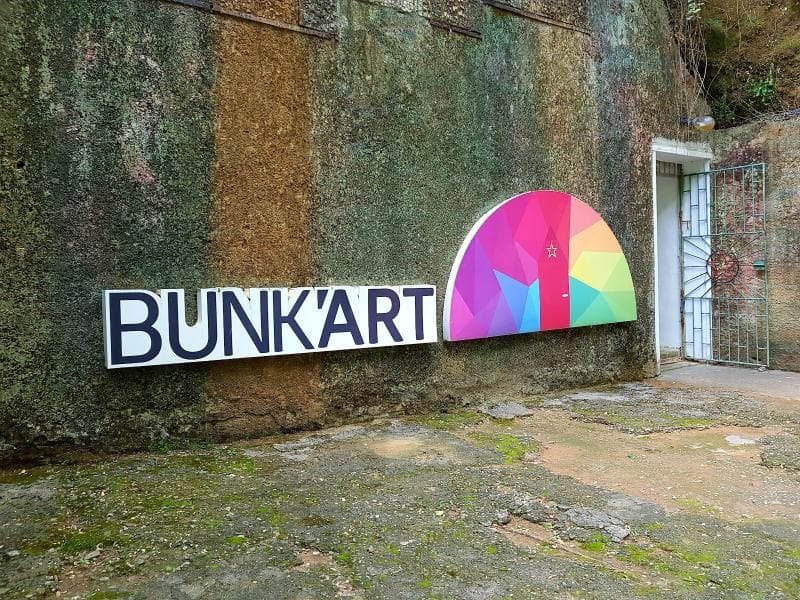
Explore Bunk'Art 1's Communist History Exhibits in Tirana, Albania. Delve into Albania's past, Cold War paranoia, and totalitarian rule.
Overview
Deep within the hills on the outskirts of Tirana, Albania, lies Bunk'Art 1, a truly extraordinary museum dedicated to Albania's communist past. This colossal, five-floor underground bunker, originally codenamed 'Objekti Shtylla', was constructed in the 1970s under the paranoid regime of dictator Enver Hoxha. Designed as a nuclear fallout shelter for Hoxha and his political elite, it remained a top-secret military installation for decades. Today, transformed into a powerful museum and art center, Bunk'Art 1 offers a chillingly authentic journey through Albania's 20th-century history, from the Fascist occupation and World War II to the brutal isolation and oppression of the communist era. It is widely regarded as one of Tirana's most significant cultural attractions, providing visitors with an unparalleled insight into a dark yet crucial period of the country's narrative.
History & Cultural Background
Bunk'Art 1 stands as a physical testament to the extreme paranoia that gripped Albania during Enver Hoxha's long rule (1944-1985). Hoxha, driven by an intense fear of foreign invasion, embarked on an unprecedented national 'bunkerization' program, constructing an estimated 173,000 bunkers across the small country. This specific bunker, Bunk'Art 1, was his personal, state-of-the-art atomic shelter, built in absolute secrecy between 1972 and 1978. The museum's exhibits meticulously trace Albania's turbulent political and military trajectory, beginning with the Italian Fascist occupation from 1939-1943, the subsequent German invasion, and the partisan resistance. It then delves into the post-war period, detailing the rise of communism and Hoxha's increasing isolationist policies, marked by ideological breaks with Yugoslavia, the Soviet Union, and China. The construction of such massive defense projects came at a tremendous cost, diverting vast resources and causing numerous work accidents, while ordinary citizens faced severe shortages and hardship.
What Makes It Special
The sheer scale and preserved authenticity of Bunk'Art 1 are what truly set it apart. Spanning five underground levels and featuring 106 rooms, the bunker is a labyrinth of concrete corridors and heavy blast doors that transport visitors directly into the Cold War era. Among the most compelling exhibits are the meticulously recreated living and working spaces intended for Hoxha and his prime minister, Mehmet Shehu, complete with period furniture. You can explore a large assembly hall, a chief of staff's shelter, and rooms dedicated to the history of the Albanian communist army and the daily lives of Albanians under the regime. The museum effectively utilizes original documents, photographs, military equipment, and video installations to tell its story. The chilling atmosphere, reinforced by the stark, underground environment, provides an immersive and often unsettling experience, offering a profound understanding of the totalitarian state's impact on its people.
Stories, Fun Facts & Local Details
One of the intriguing ironies of Bunk'Art 1 is that Enver Hoxha, despite commissioning such an elaborate personal sanctuary, is said to have never actually used his dedicated suite for an extended period, though he did conduct military drills within the bunker. The immense bunkerization program, while a symbol of national defense to the regime, also became a symbol of its oppressive grip and the widespread paranoia it fostered, with the belief that invaders could come from any direction. The sheer human effort involved in constructing these underground fortresses is a stark reminder of the regime's priorities; tunnels and bunkers were often dug by hand, leading to countless accidents and casualties among the soldiers and civilians involved. The museum also showcases details of how life was organized for the leadership within such a facility, emphasizing the stark contrast between their planned existence underground and the struggling daily life of the general population above.
Visitor Perspective
Visiting Bunk'Art 1 is a profoundly moving and educational experience, often described as essential for anyone seeking to grasp the complexities of Albania's communist past. Travelers should allocate at least two to three hours to explore its vast spaces and absorb the wealth of information presented in both Albanian and English. While the content can be heavy, depicting the brutality and psychological impact of the regime, the museum's ability to transform a former symbol of oppression into a place of remembrance and education is widely praised. The bunker is situated on the eastern edge of Tirana, close to the Dajti Ekspres cable car. It's easily reachable by public bus (line 11 to Porcelan) or taxi, providing a scenic journey from the city center. The walk through the initial, long access tunnel into the mountain itself contributes significantly to the immersive and anticipatory feeling of entering this historical relic.
Coordinates: 19.860733, 41.351686
View on Google Maps💬 How Travelers Describe This Place
Based on community votes
Beautiful
551Must See
547Photogenic
421Unique
298Interesting
212
Traveler Stories
Discover memorable experiences shared by travelers who have visited this place.
No traveler stories yet.
Be the first traveler to share what made this place memorable.

Tour
By
Spot
Discover amazing places around the world. Your journey starts here.
Explore
© 2026 TourBySpot. All rights reserved.