Communal Tables
Munich, Germany
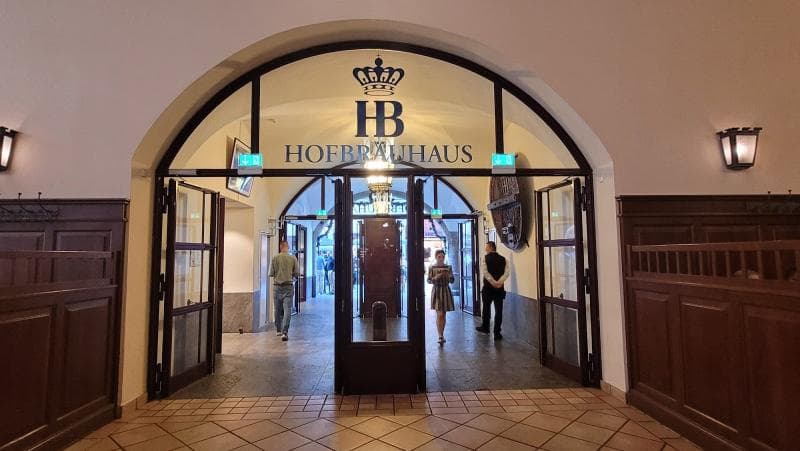
Experience the vibrant communal tables of Hofbräuhaus München in Germany, where history, culture, and Bavarian conviviality meet. Discover traditions and local details.
Overview
Deep within the historic Hofbräuhaus München in Munich, Germany, lies a cornerstone of Bavarian culture: its communal tables. These aren't merely places to eat and drink; they are the vibrant heart of the establishment, fostering an unparalleled atmosphere of camaraderie and shared experience. Known primarily as the 'Schwemme' or main beer hall on the ground floor, these long, sturdy wooden tables invite strangers to become temporary companions, embodying the spirit of Bavarian hospitality. Here, amidst the clinking of Maß (one-liter beer mugs) and the joyous sounds of live Oompah music, visitors and locals alike converge to partake in centuries of tradition.
The concept of communal seating is fundamental to the Hofbräuhaus experience, encouraging interaction and a festive mood that is less about individual dining and more about collective celebration. Whether you're a first-time visitor or a seasoned regular, finding an open spot at one of these tables is an invitation to immerse yourself in an authentic piece of Munich's living heritage.
History & Cultural Background
The Hofbräuhaus itself boasts a rich history, founded in 1589 by Duke Wilhelm V of Bavaria as a royal brewery. It was initially established to provide quality beer to the ducal court, a move to reduce expensive beer imports. Over time, it evolved from an exclusive royal brewery to a public institution in 1828, under King Ludwig I, opening its doors to all and quickly becoming a cultural landmark.
The tradition of communal tables is deeply rooted in German beer hall and beer garden culture, with their origins tracing back to the 19th century. These shared tables emerged as a practical and social solution, allowing large numbers of people to gather, drink, and socialize. The 'Stammtisch', or 'regulars' table', is a particularly revered aspect of this tradition. These are specific tables often unofficially reserved for groups of loyal patrons, ranging from craftsmen to various clubs, some of whom have maintained their tables for decades. This practice highlights the enduring social significance of the communal table beyond mere seating arrangements; it represents continuity, community, and belonging in a bustling environment.
What Makes It Special
What truly sets the communal tables at Hofbräuhaus apart is their tangible connection to history and the vibrant atmosphere they cultivate. Many of the wooden tables in the main hall, known as the Schwemme, date back to 1897, bearing the carved initials, names, and remarks of generations of patrons. This physical testament to its past adds layers of character and storytelling to each surface. The Schwemme, with its vaulted ceilings painted with Bavarian motifs, can accommodate up to 1300 guests, creating a feeling often described as one large, boisterous family dinner.
The tables are designed for interaction; their long, narrow form inherently brings people closer, making conversations with strangers almost inevitable. This shared space, combined with the continuous live traditional Bavarian music performed by bands in full costume, transforms a simple meal into an immersive cultural event. Waitstaff, expertly navigating the crowded hall while carrying multiple one-liter steins, further enhance the lively, authentic experience.
Stories, Fun Facts & Local Details
The Hofbräuhaus is home to over 100 active groups of regulars, some of whom have held their 'Stammtisch' for an impressive 70 years. A fascinating detail is the presence of a 'Maßkrug' safe, a special storage area where these regulars can keep their personal, often elaborately decorated, one-liter stoneware beer mugs. This coveted safe features 616 compartments, none of which can be purchased, underscoring the deep personal connection regulars have with the establishment. The atmosphere is so integral that the popular Bavarian drinking toast, 'oans, zwoa, g'suffa' ('one, two, down the hatch'), is a common refrain.
Beyond its joyful facade, the beer hall has also played a role in historical moments, serving as a venue for political gatherings in the early 20th century. Today, it stands as a resilient symbol of Munich's ability to preserve its traditions while embracing a global audience.
Visitor Perspective
For a curious traveler, the communal tables at Hofbräuhaus München offer a unique opportunity to experience Bavarian culture firsthand. There's no need for reservations in the main Schwemme area; visitors are encouraged to simply find an open seat at any of the long tables. This 'sit wherever you please' policy is central to the communal ethos. While it might initially feel unusual to share a table with strangers, it is an expected and welcomed part of the experience. Don't be shy; asking if a spot is free with a friendly 'Ist hier noch frei?' is perfectly normal.
The tables facilitate spontaneous conversations and shared toasts, often leading to unexpected friendships with people from diverse backgrounds. The lively ambiance, traditional food, and Hofbräu beer, served in classic steins, combine to create an unforgettable cultural immersion that goes beyond a typical dining experience. It's a place where laughter, music, and the clinking of mugs weave together to form the true spirit of Munich.
Coordinates: 11.579925, 48.137574
View on Google Maps💬 How Travelers Describe This Place
Based on community votes
Interesting
953Beautiful
695Photogenic
658Must See
396Unique
22
Traveler Stories
Discover memorable experiences shared by travelers who have visited this place.
No traveler stories yet.
Be the first traveler to share what made this place memorable.

Tour
By
Spot
Discover amazing places around the world. Your journey starts here.
Explore
© 2026 TourBySpot. All rights reserved.