Commemorative Trees
Yerevan, Armenia
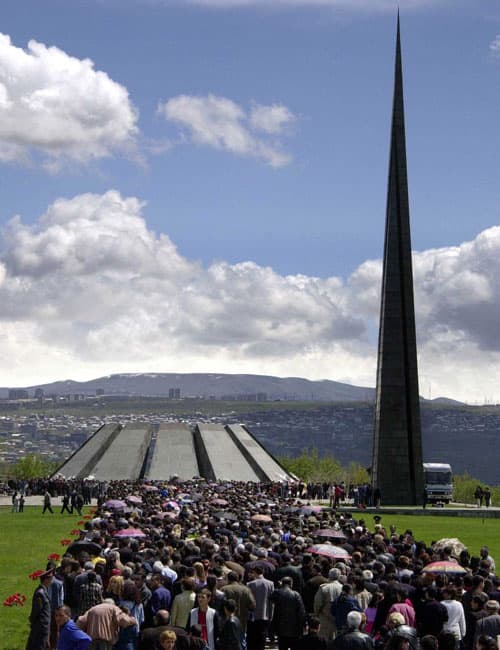
Explore the Commemorative Trees at Tsitsernakaberd Armenian Genocide Memorial Complex in Yerevan, Armenia, a living tribute to victims and a symbol of international recognition.
Overview
The Commemorative Trees, often referred to as the Alley of Trees or Memorial Park, form a poignant and living tribute within the Tsitsernakaberd Armenian Genocide Memorial Complex in Yerevan, Armenia. This tranquil section of the memorial is dedicated to the victims of the Armenian Genocide and serves as a powerful symbol of international solidarity and remembrance. Each tree planted here represents an act of acknowledgement and a deep respect for the memory of the 1.5 million Armenians who perished.
As visitors walk through this verdant space, they encounter an expansive collection of trees, each accompanied by a small plaque. These plaques identify the individuals, organizations, or nations that planted them, transforming the alley into a 'roster of international acknowledgement laid out in living trees.' It's a place of quiet contemplation, integral to the overall experience of the memorial complex, offering a solemn complement to the other profound structures like the eternal flame and the memorial wall.
History & Cultural Background
The tradition of planting commemorative trees at Tsitsernakaberd formally began in 1997 with the establishment of the 'Memory/Fir Alley.' The very first tree was planted by US Senator Robert Dole, honoring the legacy of Armenian-American surgeon Hambar Kelekyan, a survivor of the Armenian Genocide.
Since its inception, this practice has grown significantly, becoming an inseparable part of official state protocol for foreign delegations visiting Armenia. Presidents, religious leaders, parliament speakers, and representatives from international organizations regularly visit the memorial, and planting a fir tree in the alley has become a customary gesture of respect and recognition. The significance of the fir tree is deeply rooted in Armenian culture, where it is traditionally considered a symbol of eternity, perfectly aligning with the memorial's purpose of eternal remembrance.
What Makes It Special
The Commemorative Trees stand out as a unique and deeply personal aspect of the Tsitsernakaberd complex. Unlike static monuments, this living memorial continues to grow and evolve, with each new tree adding another layer of recognition and empathy. The small plaques accompanying each tree transform the alley into a tangible representation of global support and remembrance, allowing visitors to see the diverse range of international figures and institutions that have publicly acknowledged the Armenian Genocide.
Beyond its symbolic weight, the Memorial Park also plays a vital environmental role, contributing to the green landscape of Yerevan and providing oxygen to the capital. For many, especially descendants of genocide survivors or those connected to the individuals honored by the trees, the alley offers a profound and personal connection to the history and the ongoing commitment to memory. It creates an emotional bridge, allowing visitors to feel a direct link to the international efforts for justice and remembrance.
Stories, Fun Facts & Local Details
The Commemorative Trees are not merely a collection of plants; they embody a living narrative. It's not uncommon for visitors, particularly those who have a personal connection to a tree's planter, to return to the alley during subsequent visits to Armenia to water 'their' specific fir tree, fostering a direct and ongoing bond with the memorial.
The tradition extends to the heirs of missionaries and foreign figures who offered invaluable assistance to Armenians during the genocide; they too are invited to plant trees, thereby continuing their ancestors' legacy of humanitarianism. There are also plans for new groves to be named after prominent genocide survivors, such as Aurora Mardiganian, further imbuing the space with individual stories of resilience. Despite challenging soil conditions, the careful cultivation and growth of these trees symbolize the enduring spirit of the Armenian people and the resilience of memory.
Visitor Perspective
Visiting the Commemorative Trees offers a deeply reflective experience. Situated along the approach to the main monuments, the alley provides a serene and solemn walkway, preparing visitors for the profound gravity of the memorial complex. The quiet rustling of the leaves and the sight of countless individual tributes create an atmosphere conducive to introspection and respect. It is a space designed for mourning and remembrance, not for typical tourism, encouraging visitors to approach with understanding and reverence.
Many find walking among the trees, reading the plaques, and recognizing the names of dignitaries or organizations to be a powerful affirmation of the global effort to acknowledge historical truth. It's a testament to the enduring human capacity for empathy and the collective commitment to ensuring such atrocities are never forgotten. The blend of natural beauty and historical significance makes the Commemorative Trees an essential, moving, and thought-provoking part of the Tsitsernakaberd Armenian Genocide Memorial Complex journey.
Coordinates: 44.4877, 40.1848
View on Google Maps💬 How Travelers Describe This Place
Based on community votes
Interesting
897Must See
641Unique
481Photogenic
463Beautiful
196
Traveler Stories
Discover memorable experiences shared by travelers who have visited this place.
No traveler stories yet.
Be the first traveler to share what made this place memorable.

Tour
By
Spot
Discover amazing places around the world. Your journey starts here.
Explore
© 2026 TourBySpot. All rights reserved.