Coastal Paths
Athens, Greece
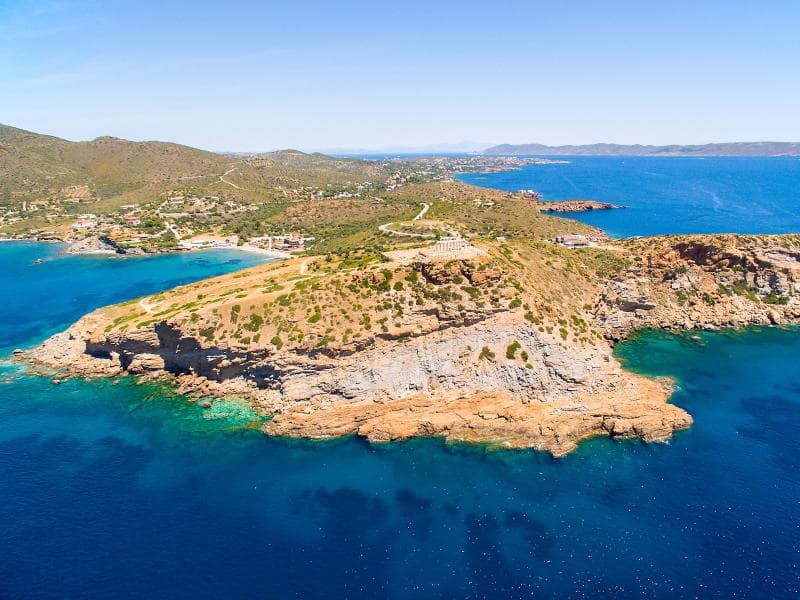
Explore the Coastal Paths around the ancient Temple of Poseidon in Cape Sounion, Athens, Greece. Discover historical sites, breathtaking Aegean views, and stunning sunsets.
Overview
Nestled at the southernmost tip of the Attica peninsula, the Coastal Paths surrounding the Temple of Poseidon in Cape Sounion, Athens, Greece, offer a unique blend of ancient history and breathtaking natural beauty. This area, largely encompassed by Sounion National Park, invites travelers to explore a network of trails that trace the rugged coastline and wind through fragrant Mediterranean vegetation. Unlike a single, formally designated path, 'Coastal Paths' here refers to the numerous scenic routes and walks that provide diverse perspectives of the iconic Temple of Poseidon and the shimmering Aegean Sea.
These paths cater to various fitness levels, from leisurely strolls suitable for families to more challenging hikes that lead to secluded coves and hidden viewpoints. The entire experience is framed by stunning panoramic vistas, where the deep blue of the sea meets dramatic cliffs and distant islands. Visiting these coastal trails provides an intimate connection with the landscape that inspired ancient myths and served as a crucial landmark for sailors.
History & Cultural Background
The history of Cape Sounion is deeply intertwined with ancient Greek civilization, particularly Athens' maritime power. Evidence suggests the cape was a cult site as early as the 11th century BCE, with more prominent sanctuaries to Athena and Poseidon established by 700 BCE. The magnificent Temple of Poseidon, which dominates the cape, was constructed between 444 and 440 BCE during the Golden Age of Athens, under the statesman Pericles. It was built upon the ruins of an older temple likely destroyed by Persian invaders in 480 BCE.
This strategic location offered an unobstructed view of the Aegean Sea, making it an invaluable lookout point for tracking enemy ships and serving as a beacon for Athenian vessels returning home. The temple symbolized Athens' profound connection to the sea and its naval strength, with Poseidon revered as the protector of sailors and master of the seas. Rituals and festivals honoring Poseidon were regularly held here, underscoring its religious significance.
What Makes It Special
What sets the Coastal Paths of Cape Sounion apart is the seamless integration of archaeological wonder with sublime natural scenery. Walking these trails, one encounters the majesty of the Temple of Poseidon from multiple angles, often silhouetted against the vast expanse of the Aegean. The paths within Sounion National Park are diverse, offering everything from easy loops to intermediate coastal routes, making them accessible to a wide range of visitors.
The coastal terrain is characterized by rugged cliffs, lush Mediterranean vegetation, and a sense of peaceful remoteness just a short distance from Athens. Moreover, the area is renowned for its spectacular sunsets. As the sun dips below the horizon, painting the sky in vibrant hues, the ancient marble columns of the temple glow, creating a truly unforgettable spectacle that draws visitors from around the world.
Stories, Fun Facts & Local Details
The Cape Sounion area is steeped in mythology. Perhaps the most famous legend associated with it is that of King Aegeus, after whom the Aegean Sea is named. The story tells that Aegeus, awaiting the return of his son Theseus from Crete, instructed him to hoist white sails if victorious against the Minotaur, and black if he perished. When Theseus, in his joy, forgot to change the sails, King Aegeus, seeing the black sails from Cape Sounion, believed his son dead and tragically cast himself into the sea.
Another fascinating detail is the visible graffiti of the English Romantic poet Lord Byron, who famously carved his name into one of the temple's columns during his visit in 1810. This act underscores the enduring allure of Sounion for travelers and artists throughout history. Beyond the main temple site, exploring the paths might reveal remnants of ancient fortifications and the foundations of the Temple of Athena Sounias, offering more layers to its rich past.
Visitor Perspective
For the curious traveler, embarking on the Coastal Paths at the Temple of Poseidon is an immersive journey. While the primary attraction is the temple itself, dedicating time to explore the surrounding trails greatly enhances the experience. Visitors are advised to wear comfortable walking shoes, especially as the terrain can be rocky, and to carry water, particularly during warmer months.
Many choose to time their visit for the late afternoon to witness the iconic sunset, though morning visits offer a calmer atmosphere with fewer crowds. The trails provide excellent opportunities for photography, capturing the temple from unique vantage points, the expansive sea, and the rugged natural beauty. Whether seeking historical insights, mythical resonance, or simply stunning coastal views, the paths around Cape Sounion offer a deeply rewarding and reflective experience.
Coordinates: 24.02455, 37.6502
View on Google Maps💬 How Travelers Describe This Place
Based on community votes
Interesting
996Must See
658Unique
585Photogenic
143Beautiful
69
Traveler Stories
Discover memorable experiences shared by travelers who have visited this place.
No traveler stories yet.
Be the first traveler to share what made this place memorable.

Tour
By
Spot
Discover amazing places around the world. Your journey starts here.
Explore
© 2026 TourBySpot. All rights reserved.