Club Indra
Hamburg, Germany
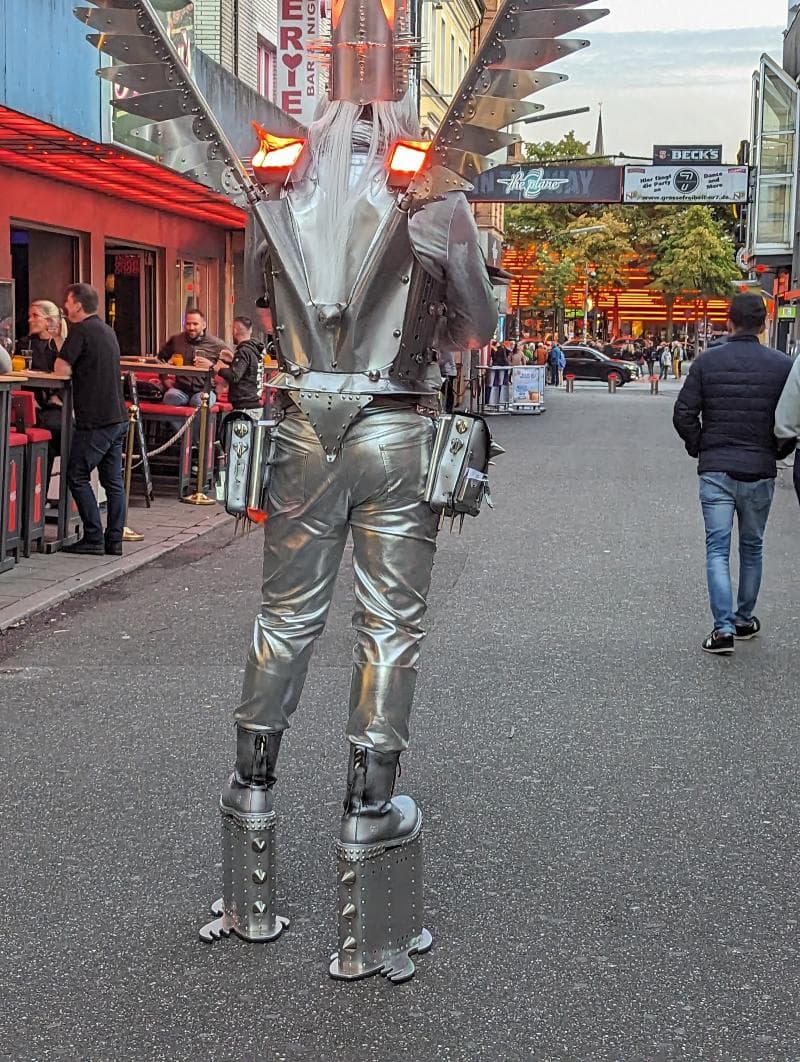
Discover Club Indra on Hamburg's Reeperbahn, the legendary venue where The Beatles played their first historic gigs in 1960. Explore its rich music history and vibrant present.
Overview
Nestled in the pulsating heart of Hamburg's St. Pauli district, just off the famed Reeperbahn on Große Freiheit, stands Club Indra. More than just a club, it is a living monument to music history. While the Reeperbahn itself is renowned for its vibrant, sometimes raucous, nightlife, the Indra holds a special place as the unassuming stage where a global phenomenon first found its footing. It is a medium-sized live music venue that continues to host a diverse array of acts, drawing visitors from around the world who seek to connect with its legendary past and experience its dynamic present.
History & Cultural Background
The Indra Club first opened its doors in 1949, establishing itself in the bustling entertainment district of St. Pauli. However, its destiny was irrevocably altered in 1960. From August 17th to October 3rd of that year, the Indra became the crucible for four young lads from Liverpool – John Lennon, Paul McCartney, George Harrison, and Pete Best, along with Stuart Sutcliffe. They were The Beatles, and their 48-night residency at the Indra marked their inaugural performances in Hamburg. Allan Williams, their manager, secured this booking with club owner Bruno Koschmider.
This period in Hamburg was a grueling but transformative 'apprenticeship' for the band. They were contracted to play for exceptionally long hours each night – typically four and a half hours on weekdays, six hours on Saturdays, and five hours on Sundays – for a meager sum of about 30 German Marks per person daily. They were challenged to expand their repertoire and develop a powerful stage presence to entertain demanding German audiences who would shout 'Mach schau!' (Make a show!). This intensive schedule and the raw environment forced them to hone their skills, improvise, and become a tight, electrifying live act.
The Reeperbahn, the larger area where Indra is located, boasts its own rich history. Its name literally means 'ropewalk,' referring to its 17th-century origins as a place where ropes for sailing ships were made outside the city walls. Over centuries, it transformed into a vibrant port-side entertainment district, earning nicknames like 'die sündige Meile' (the sinful mile) due to its concentration of nightlife, bars, and adult entertainment. The Indra's story is thus deeply interwoven with the eclectic and enduring cultural tapestry of the Reeperbahn.
What Makes It Special
What truly sets Club Indra apart is its unique dual identity: a historical landmark and a contemporary live music venue. It offers visitors a tangible connection to the origins of rock and roll royalty, allowing them to stand in the very spot where The Beatles laid the groundwork for their global domination. Unlike many historical sites that become static museums, the Indra remains a dynamic, active club.
Today, it continues to foster new talent and entertain diverse crowds with a varied program. From weekly jam sessions and comedy nights to punk gigs, burlesque shows, singer-songwriter performances, and emerging bands covering genres from garage rock to indie and blues, the Indra offers an intimate and authentic club experience. Its compact size, with a capacity of around 200, ensures an up-close and personal interaction between artists and audience, echoing the raw energy of its early days.
Stories, Fun Facts & Local Details
The Beatles' time at the Indra was far from glamorous. Upon arrival, they found the club closed and were forced to sleep on red leather seats. Their accommodation was a squalid storeroom behind the Bambi Kino (cinema), which Paul McCartney famously described as a 'pigsty' next to the toilets. The original club was also a strip club, and they were disappointed to find themselves booked into a run-down venue. The long, arduous hours often led to extreme fatigue, and legend has it that club owners would supply musicians with 'pep pills' to keep them going.
The residency at Indra was cut short due to noise complaints from a nearby church and residents living above the club. This led to The Beatles being moved to Bruno Koschmider's larger Kaiserkeller club. Despite the challenging conditions, this period proved invaluable. John Lennon famously remarked that they 'worked on the stage non-stop 6 to 7 hours per night. Every song lasted twenty minutes and had twenty solos in it. That's what improved the playing.' The purple elephant neon sign, a characteristic feature of the Indra's exterior, remains an iconic symbol of this formative era.
Visitor Perspective
Visiting Club Indra today offers a unique immersion into the spirit of Hamburg's legendary music scene. It is a place that feels authentic and lived-in, retaining much of its historic charm without being overly commercialized. Travelers can experience the vibrant atmosphere of a live music venue that continues to thrive, while simultaneously treading the same ground as music icons. The Indra is a significant stop for any Beatles fan or music enthusiast, providing a genuine sense of the raw, energetic environment that forged one of the greatest bands in history. It stands as a testament to the idea that true artistry often blossoms in the most unexpected and challenging of settings, embodying the enduring, gritty spirit of the Reeperbahn itself.
Coordinates: 9.9575, 53.5507
View on Google Maps💬 How Travelers Describe This Place
Based on community votes
Photogenic
869Beautiful
445Unique
416Must See
141Interesting
33
Traveler Stories
Discover memorable experiences shared by travelers who have visited this place.
No traveler stories yet.
Be the first traveler to share what made this place memorable.

Tour
By
Spot
Discover amazing places around the world. Your journey starts here.
Explore
© 2026 TourBySpot. All rights reserved.