Cloisters
Lviv, Ukraine
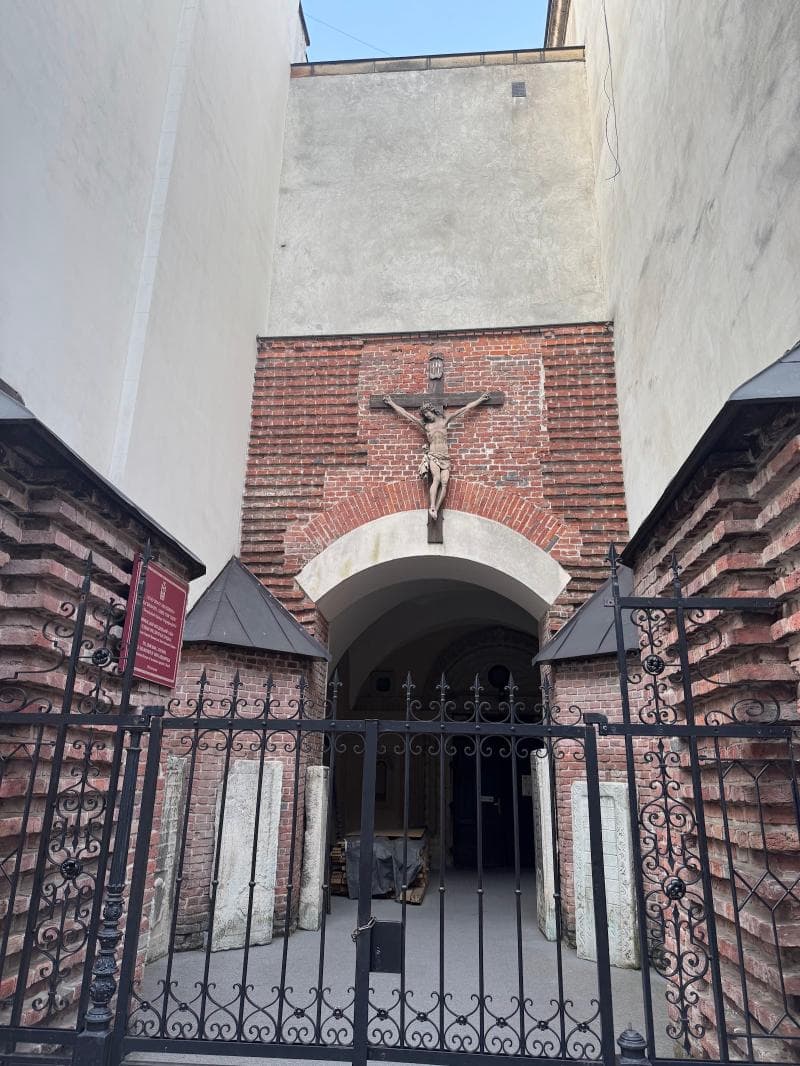
Explore the serene Cloisters of the Armenian Cathedral of Lviv, Ukraine. Discover centuries of history, unique architecture, and ancient tombstones in this peaceful Old Town gem.
Overview
The Cloisters of the Armenian Cathedral of Lviv offer a serene and historically rich retreat within the vibrant Old Town of Lviv, Ukraine. Far more than simple passageways, these enclosed courtyards and arcaded galleries form an integral part of the larger Armenian Cathedral ensemble, providing a profound sense of peace and a journey back in time. Stepping into this sacred space, visitors are immediately transported away from the bustling city streets into an atmosphere steeped in centuries of Armenian culture and spiritual heritage.
History & Cultural Background
The Armenian Cathedral itself, formally known as the Armenian Cathedral of the Assumption of Mary, dates back to the 14th century, with its initial construction occurring between 1363 and 1370. Founded by an Armenian merchant from Caffa, its design was notably modeled after the ancient Cathedral of Ani, the historic capital of Armenia, showcasing a deep connection to the Armenian homeland. Over the centuries, the cathedral complex underwent numerous transformations. A significant addition was made in 1437 when an arcade gallery was built around the cathedral. While the northern section was later rebuilt into a sacristy, the southern part of this original arcade has been preserved.
The Armenian Cathedral has served as a pivotal spiritual center for the Armenian community in Lviv, reflecting their significant role in the city's trade networks and urban life. From the 17th century until 1945, it belonged to the Armenian Catholic Archeparchy of Lviv, and since 2000, it has served as the cathedral for the Armenian Diocese of Ukraine, highlighting its enduring religious importance. The cloisters, or courtyards, are central to the entire Armenian ensemble, which also includes a bell tower, the Armenian archbishop's palace, and the former monastery of the Armenian Benedictine nuns, forming a cohesive architectural and spiritual complex.
What Makes It Special
What truly sets the Cloisters apart is their unique blend of architectural styles and their evocative atmosphere. The arcaded galleries, particularly the preserved Romanesque arcade, offer an exquisite display of medieval craftsmanship, showcasing both local Romanesque and Gothic influences alongside distinct Armenian architectural peculiarities. The courtyards themselves are paved with ancient tombstones, moved from old Armenian cemeteries, creating a hauntingly beautiful and reflective ground beneath your feet. This integration of burial markers directly into the walking paths is a poignant reminder of the generations of Armenians who lived, worshipped, and found their final rest within the embrace of this community. The thick stone walls of the cathedral, reaching one and a half meters in thickness, further contribute to the fortress-like appearance and historical depth of the complex. The cloisters provide a physical link to the rich historical layers of the Armenian community, blending elements of the Near East with far Eastern Europe.
Stories, Fun Facts & Local Details
The courtyards are filled with stories etched in stone. Many of the tombstones embedded in the walkways date from the 16th and 17th centuries, with some notable figures like Stephan V, the patriarch of Armenia who died in Lviv in 1551, having his resting place marked here. As you wander, you might even spot the date '1667' visibly inscribed on the ancient cobblestone pavement near one of the gates leading to an arcade, offering a tangible connection to the past. Embedded in the walls, particularly the northern wall of the cathedral, are older Armenian tombstones known as khachkars, some dating from the 14th-15th centuries. These carved stone crosses are not merely decorative but serve as powerful memorials and artistic expressions of Armenian faith and identity. The complex also holds a monument dedicated to the Armenian victims of genocide, quietly located within one of the courtyards, adding another layer of solemn history to the space. This area truly feels like a medieval quarter brought back to life through thoughtful restoration.
Visitor Perspective
For the curious traveler, visiting the Cloisters of the Armenian Cathedral is an experience that transcends mere sightseeing. It's an opportunity to step into a tranquil, enclosed world where the dimensions of time seem to blur. The quiet, enclosed atmosphere offers a profound sense of calm, making it an ideal place for reflection and contemplation. As you walk across the aged paving stones and beneath the ancient arches, you'll feel the weight of centuries of history and the enduring spirit of the Armenian community. The intricate details of the architecture, the inscriptions on the tombstones, and the serene silence invite a slow and deliberate exploration. It's a place where you can truly immerse yourself in Lviv's multicultural past and gain insight into the profound heritage of the Armenian people in Ukraine. The Cloisters serve as a testament to cultural resilience and artistic legacy, leaving a lasting impression on all who wander through their historic paths.
Coordinates: 24.03083, 49.84333
View on Google Maps💬 How Travelers Describe This Place
Based on community votes
Beautiful
958Interesting
728Must See
719Photogenic
481Unique
382
Traveler Stories
Discover memorable experiences shared by travelers who have visited this place.
No traveler stories yet.
Be the first traveler to share what made this place memorable.

Tour
By
Spot
Discover amazing places around the world. Your journey starts here.
Explore
© 2026 TourBySpot. All rights reserved.