Cloister
Zurich, Switzerland
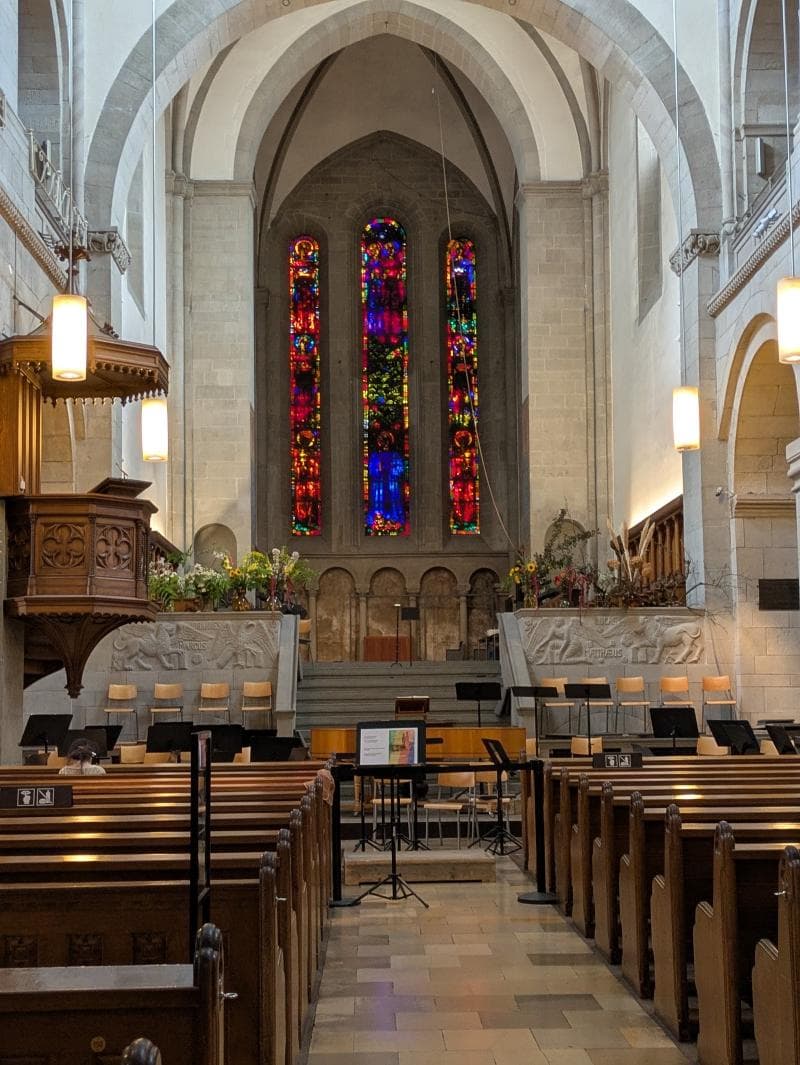
Discover the tranquil Grossmünster Cloister in Zurich, Switzerland, a hidden gem rich in history, intricate Romanesque carvings, and serene gardens.
Overview
Tucked away within the iconic Grossmünster in Zurich, Switzerland, lies a tranquil and historically rich sub-spot known simply as the Cloister. Often overshadowed by the twin towers of the main church, this serene courtyard and its surrounding arcades offer an unexpected oasis of peace and reflection in the heart of the bustling city. It is a place where history whispers through ancient stones and intricate carvings, providing a profound connection to Zurich's past. The Cloister, a former part of the Grossmünster canonry, now houses the Theological Faculty of the University of Zurich and a Reformation museum, making it a significant site for both academic pursuit and cultural exploration. Its understated beauty and deep historical roots make it a compelling destination for any traveler seeking to delve beyond the typical tourist paths.
History & Cultural Background
The origins of the Grossmünster Cloister trace back to the late 12th century, originally forming part of the 'Chorherrenstift', or canonry, attached to the Grossmünster church. This institution played a central role in the ecclesiastical and intellectual life of Zurich for centuries. During the 16th century, the Grossmünster became the epicenter of the Swiss-German Reformation, spearheaded by Huldrych Zwingli, who served as a priest here from 1519. The Reformation profoundly impacted the church and its surrounding structures, leading to a more austere interior as religious statuary and organs were removed. The canonry itself was eventually abolished in 1832. What visitors see today is a meticulously reconstructed and restored version of the original. The cloister was largely dismantled in the mid-19th century and then integrated into a new building designed by Gustav Albert Wegmann in 1843. Extensive renovations in 2009 saw its sandstone elements cleaned and its interior garden redesigned. This site is also notably the resting place of Konrad Gessner, a renowned naturalist and universal scholar of the 16th century, whose work inspired the historical ornamental plants in the cloister garden.
What Makes It Special
The Grossmünster Cloister stands out for its captivating blend of Romanesque architecture and the tangible echoes of the Reformation. Its most distinctive features are the Romanesque capitals adorning the columns, intricately carved with a fascinating array of figures, including human forms, animal scenes, and even bizarre gargoyles. These carvings offer a window into medieval artistry and symbolism, though their exact interpretations often remain a delightful mystery. Unlike the main church, whose interior was stripped of ornamentation during the Reformation, the cloister retains much of its original Romanesque character, providing a stark yet beautiful contrast. The peaceful interior garden, a central element of any cloister, has been thoughtfully redesigned to feature historical ornamental plants, drawing inspiration from Konrad Gessner, who is buried there. This green space provides a tranquil retreat, encouraging quiet contemplation amidst the ancient stone. Additionally, the cloister houses a Reformation museum, offering exhibits that delve into the history and impact of this pivotal religious movement on Zurich and beyond.
Stories, Fun Facts & Local Details
One of the most intriguing aspects of the Grossmünster Cloister is the enigma surrounding its countless Romanesque carvings. While many depict familiar religious motifs, others feature fantastical creatures and human figures engaged in unclear activities, sparking imagination and speculation among visitors and scholars alike. It's said that a self-portrait of the original sculptor can be found on the highest arch to the left upon entering, a charming detail for those who look closely. The cloister's role as an 'insider tip' among locals and discerning travelers adds to its allure, offering a more intimate historical experience away from larger crowds. The presence of Konrad Gessner's grave and the garden inspired by his work link the spiritual tranquility of the cloister with the vibrant intellectual life of the Renaissance, demonstrating Zurich's historical significance as a center of both religious reform and scientific advancement. The theological school located here, which traces its roots back to the abbey, eventually became the nucleus of the University of Zurich, highlighting the cloister's enduring legacy as a place of learning and enlightenment.
Visitor Perspective
Visiting the Grossmünster Cloister is an experience that transports you away from the modern urban environment and into a realm of serene antiquity. It offers a profound sense of calm, making it an ideal spot for quiet contemplation or a gentle stroll. As you walk through the arcades, surrounded by centuries-old stonework and the meticulously kept garden, you can almost hear the echoes of monks and scholars who once sought solace and knowledge within these walls. The intricate carvings invite a closer look, revealing new details and interpretations with each passing moment. It is a space that encourages discovery, from the historical plants in the garden to the subtle details of the Romanesque capitals. Unlike the main church, which can sometimes be bustling, the cloister generally maintains a more subdued atmosphere, making it perfect for those who appreciate history and architecture in a peaceful setting. It's accessible to the general public on weekdays, offering a unique opportunity to connect with Zurich's rich cultural and spiritual heritage. The cloister truly offers a chance to pause, reflect, and appreciate the layers of history that have shaped this vibrant Swiss city.
Coordinates: 8.543611, 47.370278
View on Google Maps💬 How Travelers Describe This Place
Based on community votes
Must See
996Unique
673Photogenic
186Beautiful
143Interesting
80
Traveler Stories
Discover memorable experiences shared by travelers who have visited this place.
No traveler stories yet.
Be the first traveler to share what made this place memorable.

Tour
By
Spot
Discover amazing places around the world. Your journey starts here.
Explore
© 2026 TourBySpot. All rights reserved.