Cloister Gallery
Bucharest, Romania
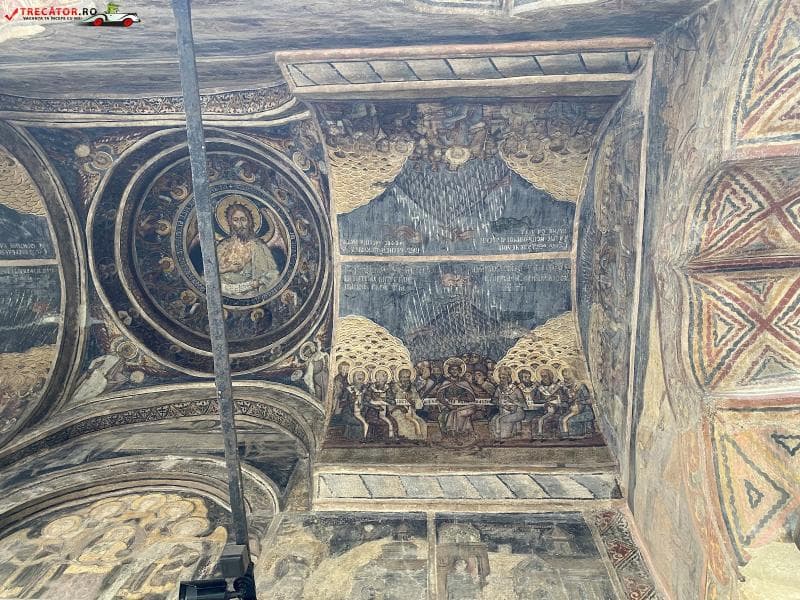
Discover the serene Cloister Gallery at Stavropoleos Monastery in Bucharest, Romania. Explore its Brâncovenesc architecture, historic lapidarium, and peaceful courtyard.
Overview
Nestled in the vibrant heart of Bucharest's Old Town, the Cloister Gallery of Stavropoleos Monastery offers a serene escape from the city's bustling pace. This exquisite architectural feature is an integral part of the Stavropoleos Monastery, a masterpiece of the Brâncovenesc style, which beautifully blends Byzantine, Ottoman, Baroque, and Western European influences. The gallery encircles a peaceful inner courtyard, providing a tranquil space for reflection and a glimpse into centuries of Romanian Orthodox tradition. Visitors stepping into this space are often struck by its harmonious design and the quiet beauty it exudes, making it a memorable part of any visit to this historic Romanian capital.
The monastery itself, founded in 1724, is renowned not only for its architectural splendor but also for its deep cultural and spiritual significance. The Cloister Gallery, with its intricate details and calm ambiance, acts as a visual and spiritual transition zone, connecting the lively urban environment with the sacred stillness within the monastery walls. It is a place where history resonates through ancient stone, delicate carvings, and a collection of salvaged historical artifacts.
History & Cultural Background
The story of the Cloister Gallery is intertwined with the broader history of Stavropoleos Monastery, established in 1724 by the Greek monk Ioannikios Stratonikeas during the reign of Prince Nicholas Mavrocordatos. Initially, the monastery complex included an inn, whose income supported the monastic community, a common practice of the era. The original monastic buildings, which likely included earlier forms of galleries, faced significant challenges throughout the 19th century, suffering damage from earthquakes and fires. These events led to the demolition of the original inn and monastic structures, leaving only the church standing for a period.
A pivotal moment for the Cloister Gallery and the monastery as a whole came with the extensive restoration project undertaken in the early 20th century, primarily between 1904 and 1940. This significant work was led by the acclaimed Romanian architect Ion Mincu. Mincu's vision resulted in the construction of new ancillary buildings in a Neo-Romanian style, which included the creation of the beautiful peristyle court, often referred to as the cloister or 'chiostro'. His design meticulously ensured that the new gallery harmonized perfectly with the church's existing style and dimensions, creating the unified and aesthetically pleasing ensemble we see today.
What Makes It Special
What sets the Cloister Gallery apart is its unique blend of architectural elements and its role as a living museum. Architect Ion Mincu designed the courtyard with an arcade of trefoil arches, drawing inspiration from the church's entrance porch. This architectural choice gives the space a distinctive character, sometimes likened to the cloisters found in Catholic monasteries of Italy or Spain, yet distinctly rooted in the local Brâncovenesc tradition.
Beyond its architectural beauty, the gallery's inner courtyard serves a poignant dual purpose. It functions as an open-air lapidarium, housing a remarkable collection of ancient stone crosses and architectural fragments. These artifacts were salvaged from other Bucharest churches that were tragically demolished, particularly during the communist era. Each piece tells a silent story of the city's past, transforming the peaceful courtyard into a repository of lost heritage and a testament to enduring faith.
Stories, Fun Facts & Local Details
The Cloister Gallery, while not the subject of many specific legends, is central to the overall experience of Stavropoleos Monastery, a place rich in stories. One charming detail is how the courtyard, surrounded by its carved wooden galleries, truly creates a 'pocket of quiet beauty' in the midst of Bucharest's bustling Lipscani district. It is a testament to thoughtful urban planning and spiritual dedication that such a tranquil oasis exists within steps of lively cafes and shops.
Another fascinating aspect is the monastery's profound dedication to Byzantine music. The resident choir maintains the largest collection of Byzantine music books in Romania, and their performances add an ethereal layer to the monastery's atmosphere, often echoing through the quiet cloisters. The nuns of Stavropoleos are not only spiritual guides but also accomplished scholars and artisans, dedicating themselves to the delicate restoration of old books, icons, and sacerdotal vestments. Their work means that the monastery's library, which boasts over 8,000 books, including hundreds of manuscripts, is meticulously preserved, some of which might even be viewed from the serene perspective of the cloister.
Visitor Perspective
For the curious traveler, stepping into the Cloister Gallery is like entering another realm. The transition from the noisy streets of Bucharest to the calm of the courtyard is immediate and profound, offering a sense of peace and timelessness. The carved wooden elements and the arcade of arches invite contemplation, encouraging visitors to slow down and absorb the intricate details of the Brâncovenesc style.
Wandering through the gallery, one can admire the collection of old stone crosses and fragments, each bearing the marks of history and devotion. This open-air display provides a tangible connection to Bucharest's past, evoking a sense of reverence for the city's lost sacred spaces. The central garden, often featuring an ancient fountain, enhances the serene ambiance, making the cloister a perfect spot for quiet reflection or simply to appreciate the architectural harmony and spiritual depth of Stavropoleos Monastery.
Coordinates: 26.09879, 44.43179
View on Google Maps💬 How Travelers Describe This Place
Based on community votes
Unique
872Beautiful
846Interesting
684Photogenic
363Must See
87
Traveler Stories
Discover memorable experiences shared by travelers who have visited this place.
No traveler stories yet.
Be the first traveler to share what made this place memorable.

Tour
By
Spot
Discover amazing places around the world. Your journey starts here.
Explore
© 2026 TourBySpot. All rights reserved.