City Wall Section
Tallinn, Estonia
Discover the iconic Viru Gate and City Wall Section in Tallinn, Estonia. Explore medieval history, cultural insights, and stunning views of the Old Town.
Overview
Stepping through the Viru Gate is often described as a journey back in time, marking the iconic entrance to Tallinn's medieval Old Town in Estonia. This picturesque gateway, instantly recognizable by its two sturdy, conical-roofed towers, serves as a symbolic transition from the bustling modern city to the cobblestone charm of centuries past. While the Viru Gate appears as a singular structure today, it is, in fact, the surviving foregate section of a once much larger and more complex defensive system that was integral to the formidable Walls of Tallinn. These walls are celebrated as one of Europe's best-preserved medieval fortifications, with nearly two kilometers of ramparts and numerous towers still standing.
Located at the eastern edge of the Old Town, at the beginning of the lively Viru Street, the City Wall Section around Viru Gate offers visitors a tangible connection to Tallinn's rich defensive history. Although the twin towers themselves are not open for climbing, they provide a dramatic visual landmark and a popular starting point for exploration.
History & Cultural Background
The construction of Tallinn's city walls began in 1265, under the orders of Margaret Sambiria, the Queen of Denmark, and these initial fortifications were known as the 'Margaret Wall'. Over the following centuries, as Tallinn grew into a prominent Hanseatic League city, the defensive system was continuously expanded and strengthened. By the 16th century, the city walls had become one of Northern Europe's most robust and extensive fortifications, boasting up to 46 towers and stretching approximately four kilometers around the Old Town.
The original Viru Gate complex, which included the foregate section visible today, was constructed in the 14th century, with the first gatehouse dating to around 1370. This medieval entrance was a multi-layered defensive structure, featuring a large main gate tower, a deep moat, and a drawbridge, in addition to the two smaller, round foregate towers that we see now. Its original name, 'Savivärav' or 'Lehmporte', meant 'clay gate', referencing nearby clay pits.
A significant change occurred in the late 19th century. As Tallinn modernized and urban expansion demanded better access for horse-drawn traffic, the main gate tower and parts of the moat were controversially demolished around 1888 to widen the street. Fortunately, the two iconic foregate towers were spared as they did not obstruct the new road alignment, allowing them to remain as enduring symbols of the city's past.
What Makes It Special
The Viru Gate section of the City Wall holds a unique allure as a living testament to Tallinn's medieval past. It is more than just an old structure; it acts as a magical threshold, instantly transporting visitors from the contemporary world into a UNESCO World Heritage site. The preserved twin towers, with their distinctive red-tiled conical roofs, possess an almost fairy-tale aesthetic, making them a favorite subject for photographers and a key visual identifier for Tallinn.
What truly sets this section apart is its accessibility and the immediate cultural immersion it offers. While the towers themselves aren't open for internal exploration, the adjacent Müürivahe street offers a unique opportunity. Here, visitors can walk along a restored section of the medieval wall, connecting towers like the Hellemann Tower and Munkadetagune Tower. This elevated promenade provides a rare 'bird's-eye' perspective of the Old Town's charming rooftops and narrow lanes, allowing for a deeper appreciation of the city's historical layout and defensive ingenuity.
Stories, Fun Facts & Local Details
The very name 'Tallinn' is believed by some to derive from 'Taani linn', meaning 'Danish town', highlighting the early Danish influence on the city's foundation and its fortifications. The 'Margaret Wall' was indeed named after Queen Margaret Sambiria, who initiated its construction. Imagine the scenes from the 14th century when citizens were required to perform guard duty, fully armored, ready to defend their city against invaders.
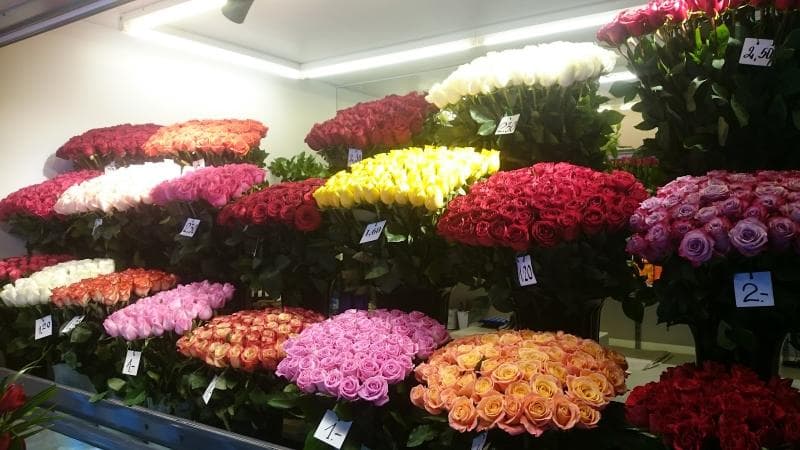
A charming local detail near the Viru Gate today is the vibrant flower market, a tradition deeply woven into Tallinn's daily life. These colorful stalls, often open around the clock, offer a beautiful contrast to the ancient stone backdrop, providing fresh blooms for any occasion, day or night. Interestingly, the street just inside the gate, Müürivahe, literally translates to 'Wall-between Street' and actually follows the path of the original defensive moat that once protected the gate. The surviving foregate towers are so iconic that they are now a registered trademark of Tallinn, further cementing their status as a cherished national symbol.
Visitor Perspective
For many travelers, the Viru Gate serves as the quintessential introduction to Tallinn's Old Town, providing a seamless transition into its medieval heart. While the twin Viru towers are primarily exterior landmarks and not accessible internally, their visual impact is undeniable, making them a popular spot for photographs.
To truly experience the city's defensive heritage, visitors should venture onto the nearby City Wall Section on Müürivahe Street. From here, one can access towers such as the Hellemann Tower, climb its steep, winding stairs, and walk along the approximately 200-meter stretch of the ramparts connecting it to the Munkadetagune Tower. This walkway offers unparalleled panoramic views over the red-tiled roofs and winding streets of the Old Town, offering a unique glimpse into the past. The area immediately surrounding the gate is bustling with activity, featuring artisan shops, cafes, and restaurants, making it a lively starting point for further exploration. It's important to note that while the walk through the gates themselves is free, accessing certain wall sections and towers typically involves a small entrance fee.
Coordinates: 24.749332, 59.436641
View on Google Maps💬 How Travelers Describe This Place
Based on community votes
Must See
996Unique
673Photogenic
186Beautiful
143Interesting
80
Traveler Stories
Discover memorable experiences shared by travelers who have visited this place.
No traveler stories yet.
Be the first traveler to share what made this place memorable.

Tour
By
Spot
Discover amazing places around the world. Your journey starts here.
Explore
© 2026 TourBySpot. All rights reserved.