City Viewpoints
Ashgabat, Turkmenistan
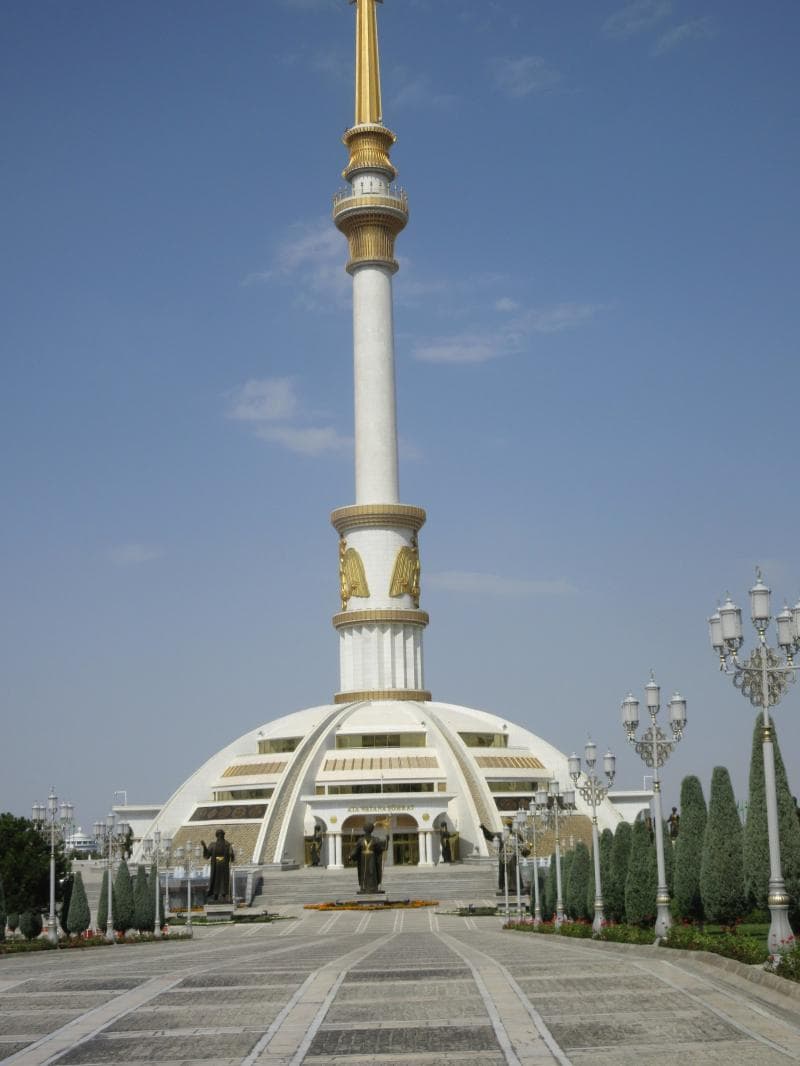
Discover the City Viewpoints at Ashgabat's Neutrality Monument, Turkmenistan. Explore its unique history, architecture, and panoramic city views.
Overview
Soaring majestically into the Ashgabat skyline, the Neutrality Monument, locally known as 'The Tripod', is an iconic and distinctive landmark in Turkmenistan's capital. This impressive structure, reaching a height of 95 meters, serves as a powerful symbol of the nation's declared permanent neutrality. Adorned in the city's characteristic white marble, it features a prominent gold-plated statue of the country's first president, Saparmurat Niyazov, at its pinnacle. Beyond its striking exterior, the monument houses observation decks that offer breathtaking panoramic city viewpoints, allowing visitors to take in the unique architectural landscape of Ashgabat. It's not just a monument; it's a testament to a unique national identity and a key focal point for understanding modern Turkmenistan.
History & Cultural Background
The genesis of the Neutrality Monument, originally known as the Arch of Neutrality, lies in a pivotal moment for Turkmenistan: its official declaration of permanent neutrality. This status was formally recognized by the United Nations General Assembly on December 12, 1995, a date now celebrated annually as Neutrality Day. To commemorate this significant achievement, President Saparmurat Niyazov commissioned the construction of the monument in 1996, with the Turkish firm Polimeks undertaking the ambitious project. It officially opened on December 12, 1998, standing at 75 meters tall in the heart of Ashgabat.
However, the monument's story doesn't end there. In a significant urban and political transformation between 2010 and 2011, the entire structure was meticulously dismantled and relocated from the city center to its current position on the southern outskirts of Ashgabat, along Bitarap Turkmenistan Avenue. During this relocation, its height was extended to 95 meters, making it the tallest monument in Turkmenistan. This move was widely interpreted as part of efforts by Niyazov's successor to de-emphasize elements of the former president's pervasive personality cult.
What Makes It Special
The Neutrality Monument stands out not only for its imposing scale but also for its profound symbolism and distinctive design. Its three-legged arch structure is inspired by the 'tagan', a traditional Turkmen hearth stand, symbolizing the enduring strength of the state and the warmth of home. The monument's white marble cladding and the bronze bas-reliefs adorning its pylons depict significant events and figures from Turkmen history, offering a visual narrative of the nation's past.
A unique architectural detail includes five bronze rings encircling the vertical sections of the pylons. These rings are decorated with national ornaments representing the five Turkmen tribes, further embedding cultural heritage into the monument's fabric. At night, the structure undergoes a magical transformation, illuminated by colored lights that dynamically shift, presenting a captivating spectacle against the dark sky. Inside, the monument houses a Museum of Neutrality, providing deeper insights into Turkmenistan's history and its neutral foreign policy.
Stories, Fun Facts & Local Details
One of the most talked-about features of the original monument was the 12-meter-tall gold-plated statue of President Saparmurat Niyazov at its apex. This statue was famously designed to rotate throughout the day, ensuring that Niyazov's outstretched arms always faced the sun. While the statue no longer rotates in its new location, this detail remains a popular anecdote, underscoring the extraordinary personality cult that once surrounded the former leader. The construction of the monument itself cost an estimated $12 million.
For curious travelers, the monument offers multiple levels of exploration. Visitors can ascend to various platforms via funiculars and transparent elevators, revealing progressively grander views. A café-bar is situated at a height of 21.5 meters, providing a spot to relax and enjoy the initial vistas. Further up, an upper observation deck, accessible via a transparent lift at 50 meters, offers unparalleled panoramic views across Ashgabat's gleaming white cityscape and the distant Kopetdag mountains.
Visitor Perspective
Visiting the City Viewpoints at the Neutrality Monument is widely considered one of the top experiences in Ashgabat. The journey to the observation decks is an attraction in itself, utilizing modern elevators that provide glimpses of the monument's intricate internal structure. Once at the viewpoints, travelers are rewarded with sweeping, unobstructed vistas of Ashgabat's monumental architecture, expansive parks, and the unique urban planning that characterizes the 'City of White Marble'.
The surrounding landscaped parkland, complete with fountains, seating areas, and cafes, offers a pleasant environment for a leisurely stroll before or after ascending the monument. While access to the observation platforms is generally available to visitors, it's worth noting that specific events might occasionally restrict public entry. Nevertheless, the chance to gain a bird's-eye perspective of this extraordinary capital, understanding its history and symbolism through its most prominent landmark, makes the Neutrality Monument a truly memorable destination.
Coordinates: 58.38, 37.93694
View on Google Maps💬 How Travelers Describe This Place
Based on community votes
Beautiful
540Must See
410Interesting
147Unique
114Photogenic
19
Traveler Stories
Discover memorable experiences shared by travelers who have visited this place.
No traveler stories yet.
Be the first traveler to share what made this place memorable.

Tour
By
Spot
Discover amazing places around the world. Your journey starts here.
Explore
© 2026 TourBySpot. All rights reserved.