City Panorama Points
Sarajevo, Bosnia and Herzegovina
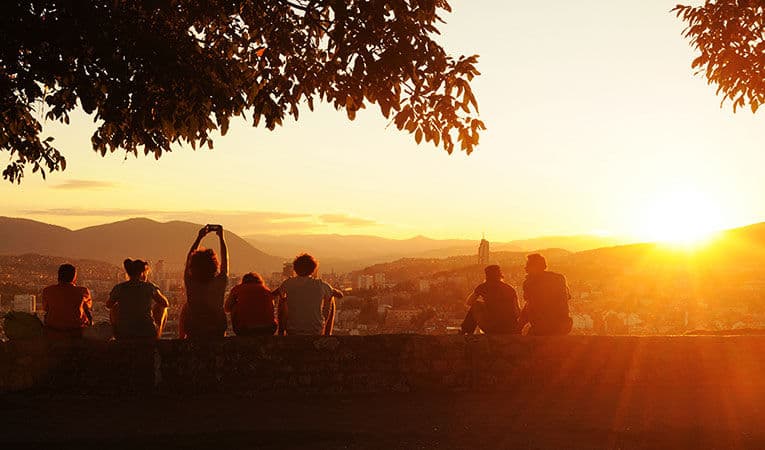
Discover the Yellow Fortress (Žuta Tabija), one of Sarajevo, Bosnia and Herzegovina's best panorama points, offering stunning city views and rich history.
Overview
Perched majestically on Jekovac Hill, just above Sarajevo's historic old town, lies the Yellow Fortress, locally known as Žuta Tabija. More than just an ancient ruin, this remarkable site serves as one of the city's most beloved 'City Panorama Points,' offering unparalleled panoramic views of the captivating capital of Bosnia and Herzegovina. From its weathered stone walls, visitors can gaze upon a tapestry of red rooftops, the graceful minarets of countless mosques, the vibrant Baščaršija bazaar, and the verdant hills that cradle Sarajevo. It is a place where history, culture, and breathtaking natural beauty converge, inviting travelers to pause and absorb the city's unique charm.
The Yellow Fortress provides a generous open-air viewing experience, making it a popular gathering spot for both locals and travelers throughout the day. While any time of day offers a splendid vista, the fortress truly comes alive during sunset, when the sky ignites with a spectrum of colors, casting a golden glow over the city below.
History & Cultural Background
The story of the Yellow Fortress is deeply intertwined with Sarajevo's tumultuous past and its enduring spirit. Constructed between 1727 and 1739, this cannon fortress was an integral part of the larger defensive walls surrounding the 'Walled City of Vratnik.' Its creation was a direct response to the vulnerabilities exposed during the 1697 invasion by Prince Eugene of Savoy, which underscored the critical need for stronger fortifications to protect the Ottoman-era city.
Bosnian viceroy Gazi Ahmed-paša Rustempašić Skopljak initiated the construction, envisioning a robust defense system. The fortress, named for the distinctive yellowish stone used in its build, was strategically placed near the Jajce Barracks and the Jekovac water reservoir, guarding the eastern approaches to Vratnik.
Throughout the centuries, the Yellow Fortress played a vital role in protecting Sarajevo, notably resisting Austro-Hungarian troops during their 1878 occupation. Although its military significance waned after the Austro-Hungarian conquest, the fortress has been preserved and underwent its most recent renovation in 1998, ensuring its continued legacy as a historical monument and a public space.
What Makes It Special
What truly sets the Yellow Fortress apart is its remarkable ability to blend historical gravitas with a vibrant, contemporary atmosphere. It is not merely a relic of the past but a living part of Sarajevo's present. The fortress offers what many consider the finest panoramic views of the entire city. From this elevated vantage point, visitors can appreciate Sarajevo's unique geography, nestled in a valley surrounded by hills, with its rich tapestry of Ottoman and Austro-Hungarian architecture unfolding below.
Its open, uncommercialized nature contributes to its charm; there are no entrance fees or elaborate tourist infrastructures, just the raw beauty of the landscape and the city. The location's strategic elevation, approximately 614 meters above sea level, provides an exceptional perspective, making it a magnet for photographers and anyone seeking a moment of reflection.
Stories, Fun Facts & Local Details
One of the most cherished and moving traditions associated with the Yellow Fortress occurs during the holy month of Ramadan. Every evening at sunset, a ceremonial cannon is fired from the fortress, signaling the end of the day's fast, known as iftar. This practice, temporarily banned during the Yugoslav era, was joyfully reinstated in 1992 and has since become a powerful cultural attraction, drawing crowds of Sarajevans and tourists who gather to break their fast against the backdrop of the city's twinkling lights. The sound of the cannon, followed by the simultaneous call to prayer (Adhan) from multiple mosques echoing across the valley, creates a truly magical and unforgettable experience.
Locals often refer to the Yellow Fortress as 'Sarajevo's balcony,' a testament to its status as a beloved communal space. It is widely considered one of the most romantic spots in the city, the setting for countless first dates, heartfelt conversations, and even marriage proposals. The fortress is a testament to the city's resilience and its deep cultural roots, providing a gathering place where generations have shared moments of peace and communal celebration.
Visitor Perspective
Visiting the Yellow Fortress is an immersive experience that begins with a pleasant, albeit steep, walk from Baščaršija, the old town. The uphill journey typically takes about 10-15 minutes, leading through charming, winding streets. While the climb requires comfortable shoes, the reward of the breathtaking vista makes every step worthwhile. Upon arrival, visitors find ample space along the restored walls and wide stone terraces to sit, relax, and soak in the views.
Many choose to bring their own refreshments, enjoying coffee or snacks while waiting for the sun to dip below the horizon. The atmosphere is often lively yet peaceful, with families, couples, and friends sharing the experience. For those with more time, a further 15-minute walk along the ridge leads to the White Fortress (Bijela Tabija), offering a different, often quieter, panoramic angle of the city. Whether you seek historical insight, cultural immersion, or simply an awe-inspiring view, the Yellow Fortress offers a profoundly meaningful and picturesque stop on any Sarajevo itinerary.
Coordinates: 18.437741, 43.86148
View on Google Maps💬 How Travelers Describe This Place
Based on community votes
Beautiful
912Must See
820Photogenic
771Unique
479Interesting
181
Traveler Stories
Discover memorable experiences shared by travelers who have visited this place.
No traveler stories yet.
Be the first traveler to share what made this place memorable.

Tour
By
Spot
Discover amazing places around the world. Your journey starts here.
Explore
© 2026 TourBySpot. All rights reserved.