Cinema Hall
Vilnius, Lithuania
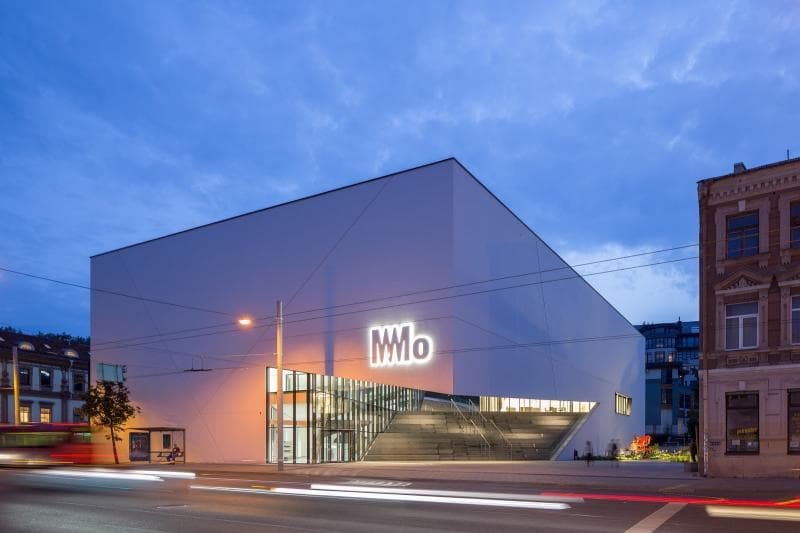
Explore the Cinema Hall at MO Museum in Vilnius, Lithuania, a versatile venue for film screenings, events, and cultural experiences in a modern art setting.
Overview
Within the architecturally striking MO Museum in Vilnius, Lithuania, lies a versatile space known as the Cinema Hall. While the MO Museum itself is a modern art institution, this particular sub-spot serves as a dynamic hub for various cultural activities beyond just art exhibitions. It's a multi-functional hall where film screenings, educational activities, concerts, and events for all age groups are regularly hosted, inviting visitors to engage with culture in diverse ways. With a capacity for up to 100 participants, it offers an intimate yet vibrant setting for intellectual and creative exchange. The presence of such a space underscores the MO Museum's broader mission to be a living, evolving cultural gateway, fostering a modernist community that embraces various forms of expression.
The MO Museum, inaugurated in 2018, is a significant landmark in Vilnius. Its striking white facade and expressive design, conceptualized by world-renowned architect Daniel Libeskind, visually connect the city's historic core with its modern districts. Beyond its primary role as a showcase for a vast collection of Lithuanian modern and contemporary art from the 1950s onwards, the museum provides a welcoming environment for leisure and learning, with spaces like the Cinema Hall playing a crucial part in this holistic cultural experience.
History & Cultural Background
The site where the MO Museum now stands holds a compelling history, particularly relevant to the Cinema Hall. This location was once home to the 'Lietuva Cinema', one of Vilnius's oldest and most beloved movie theaters. For many older generations in Vilnius, the 'Lietuva Cinema' evokes strong feelings of nostalgia, recalling times when people queued eagerly to watch iconic films, such as James Cameron's 'Titanic'. The demolition of the old cinema in 2017 paved the way for the construction of the MO Museum, which opened its doors in October 2018. This transformation represents a fascinating continuity, as a place of cinematic storytelling has been reborn as a modern cultural institution that continues to embrace film and performance.
The MO Museum itself is the realization of a decade-long vision by Lithuanian scientists and philanthropists Danguolė and Viktoras Butkus. They amassed an extensive private collection of over 6,000 works of Lithuanian modern and contemporary art, which they generously donated to the public. This collection, recognized as being of national significance, forms the core of the museum's identity, showcasing art created during and after the Soviet era, often reflecting the country's unique path towards cultural modernization and liberation.
What Makes It Special
The Cinema Hall within the MO Museum is special not only for its contemporary function but also for its symbolic connection to Vilnius's cinematic past. It acts as a bridge between the city's cherished memories of the 'Lietuva Cinema' and the MO Museum's forward-looking mission. This sub-spot allows the museum to expand its cultural offering beyond static art displays, providing a dynamic venue for film, performance, and community engagement. It's a space designed to accommodate a diverse range of cultural events, from thought-provoking documentaries and art-house films to discussions, educational workshops, and musical performances.
Its versatility is a key feature, enabling the MO Museum to be a truly interactive and living space. Rather than being a passive repository of art, the museum, through spaces like the Cinema Hall, actively invites participation and dialogue, fostering a vibrant modernist community. The ability to host various events within an institution primarily dedicated to visual arts highlights the interdisciplinary approach of modern museums and their role in contemporary urban life. It serves as a testament to the museum's aim to be a 'cultural gateway' that links different periods and forms of artistic expression.
Stories, Fun Facts & Local Details
A poignant detail that locals often share is the nostalgic memory associated with the site of the MO Museum. Before its modern reincarnation, the 'Lietuva Cinema' was a cherished institution, a place where generations of Vilnius residents experienced the magic of the silver screen. Imagine the excitement and anticipation as crowds gathered to see blockbusters like 'Titanic' for the first time – such stories paint a vivid picture of the site's cultural significance long before the MO Museum arrived. The transformation from a traditional cinema to a modern art museum with a dedicated cinema hall honors this legacy, ensuring that film remains a vital part of the location's cultural narrative.
Another intriguing fact is the architectural design itself. Daniel Libeskind, known for his bold and expressive works worldwide, considers the MO Museum one of his favorite, despite it being his smallest project. He notably incorporated a circular form, particularly evident in the dramatic spiral staircase, which is often photographed and serves as a symbolic link to the founders' experiences. This thoughtful design extends to the Cinema Hall, a modern space nestled within a building that is itself a work of art, reflecting the innovative spirit of Vilnius.
Visitor Perspective
For a curious traveler, the Cinema Hall at the MO Museum offers more than just a place to watch films; it's an opportunity to immerse oneself in the contemporary cultural pulse of Vilnius. Attending a film screening or a lecture here provides a unique perspective on local artistic trends and discussions, often complementing the museum's impressive art collection. The experience is enhanced by the museum's generally welcoming atmosphere, which strives to be accessible to everyone, from art professionals to first-time museum-goers.
Visitors appreciate the clean, modern architecture of the entire museum and the thoughtful design that makes it an inviting space. The Cinema Hall's role in hosting diverse events contributes significantly to the MO Museum's reputation as a vibrant, living institution, not merely a static display of artifacts. It's a place where you can comfortably spend an afternoon, perhaps enjoying a film after exploring the galleries, connecting with Lithuanian culture in a dynamic and engaging way. This sub-spot exemplifies the MO Museum's commitment to being a holistic cultural experience, encouraging visitors to discover, learn, and be inspired.
Coordinates: 25.277744, 54.67947
View on Google Maps💬 How Travelers Describe This Place
Based on community votes
Photogenic
996Must See
953Beautiful
658Interesting
585Unique
69
Traveler Stories
Discover memorable experiences shared by travelers who have visited this place.
No traveler stories yet.
Be the first traveler to share what made this place memorable.

Tour
By
Spot
Discover amazing places around the world. Your journey starts here.
Explore
© 2026 TourBySpot. All rights reserved.