Chinese Room
Warsaw, Poland
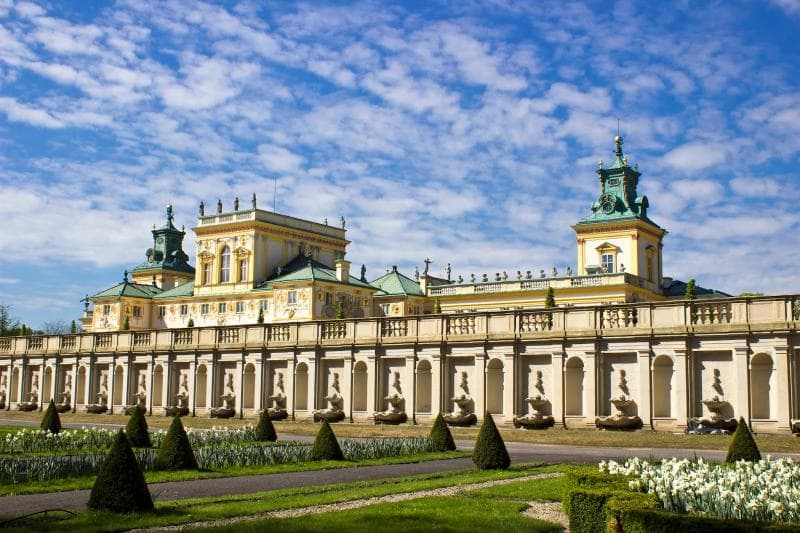
Discover the exotic Chinese Room in Wilanów Palace, Warsaw, Poland, showcasing centuries of European fascination with Far Eastern art and Chinoiserie.
Overview
Step into a realm of exotic beauty and historical intrigue within the majestic Wilanów Palace in Warsaw, Poland. The Chinese Room, or rather, the series of 'Chinese Rooms' and 'Chinese Apartments' found here over centuries, offers a captivating glimpse into Europe's enduring fascination with the Far East. This sub-spot within the grand baroque residence is a testament to the Chinoiserie trend that swept through European courts, reflecting a taste for oriental aesthetics, craftsmanship, and philosophy. It's a place where history, art, and cultural exchange converge, inviting travelers to imagine a world far removed from 17th and 18th-century Poland.
History & Cultural Background
The story of oriental influence at Wilanów Palace began early in its history, reflecting a broader European 'Chinoiserie' trend from the late 17th century. During the reign of King Jan III Sobieski, the first 'King's Chinese Room' was established, filled with exotic curiosities and Far Eastern exhibits from the royal collection. While its exact appearance is known only from a 1696 inventory, it set a precedent for appreciating oriental artistry within the palace walls.
The Chinese Room that visitors can explore today primarily dates back to the era of Augustus II, in the first half of the 18th century. This particular room showcases stunning aventurine lacquer-work panels, a sophisticated technique whose intricate motifs and technology were inspired by authentic Chinese lacquer.
Later, at the dawn of the 19th century, Stanisław Kostka Potocki, a subsequent owner of Wilanów, further expanded this oriental narrative. He created a dedicated 'Chinese Apartment' as part of the museum he established in 1805, intending it to display his extensive collections of Far Eastern art. The walls of these rooms were adorned with pseudo-Chinese paintings or Far Eastern woodcuts, housing a diverse array of Chinese and Japanese porcelain, lacquer artifacts, and intricate carvings in stone and ivory.
The current Chinese Rooms, often grouped with the Hunting Rooms, are located in the south wing of the palace. Their decorations, inspired by oriental art, date back to the 1880s, housing an impressive collection of Chinese-style furniture and Asian art.
What Makes It Special
What truly sets the Chinese Room apart is its ability to transport visitors to a world of exquisite craftsmanship and cross-cultural dialogue. The aventurine lacquer panels from the Augustus II era are a highlight, showcasing a European interpretation of Far Eastern artistic techniques. These panels, with their shimmering, speckled appearance, were a luxury item and demonstrate the high artistic ambition of the time.
Among the many treasures displayed, one of the most significant is the Japanese Nanban table from 1610. This priceless piece is unique in Polish collections, a stunning example of the Nanban style, which represents Japanese decorative arts from the 16th and 17th centuries influenced by European aesthetics. Its ornamentation, featuring lacquer, powdered gold, silver, and mother-of-pearl, speaks volumes about the global connections of the past.
Another remarkable curiosity often found within these collections is the ivory ball. These intricate Chinese creations, carved with multiple concentric spheres that move independently, fascinated European collectors with their astonishing originality and exceptional craftsmanship. They exemplify the 'curio' aspect of these collections, designed to evoke wonder and admiration.
Beyond individual artifacts, the rooms themselves, with their 'pseudo-Chinese' decorations and collections, serve as a fascinating historical record of how European nobles imagined and appropriated Eastern aesthetics.
Stories, Fun Facts & Local Details
The Chinese Rooms at Wilanów Palace embody the 'Chinoiserie' craze, which wasn't just about art, but a complete aesthetic movement that captivated European aristocracy. Imagine a world where porcelain from China was more precious than gold, and silks from the East adorned the finest homes. The Chinese Room was not merely a display space but a 'cabinet of curiosities' – a micro-museum within the palace, designed to both educate and entertain its owners and esteemed guests with glimpses of a distant, mysterious world.
It's interesting to note that while some pieces were genuine imports, others were European interpretations, often mixing various Asian influences or applying European techniques to 'oriental' designs. This blend highlights a creative dialogue rather than mere imitation, making the Chinese Room a unique example of cultural fusion. Even the palace gardens reflected this trend, with a 19th-century English-Chinese garden layout and a Chinese gazebo, showing the pervasive nature of Chinoiserie.
The meticulous arrangement of objects in these rooms, resembling 19th-century collector's cabinets, tells a story of passion for collecting and the owners' personal tastes. Each piece was chosen for its beauty, rarity, and exotic appeal, forming a narrative of exploration and admiration for non-European cultures.
Visitor Perspective
Visiting the Chinese Room at Wilanów Palace is an immersive experience. As you step into this space, you're not just observing historical artifacts; you're entering a carefully constructed environment designed to evoke a sense of wonder and exoticism. The ambiance, with its unique decorations and the historical objects, allows you to step back in time and appreciate the grandeur and global outlook of the palace's former residents.
Typically, the Chinese Rooms are part of the standard palace tour, offering a distinct contrast to the more traditional European baroque interiors. Visitors often find these rooms to be a refreshing and surprising element of their visit. With audio guides available, you can delve deeper into the stories behind the artifacts and the history of Chinoiserie, making for a rich and informative journey through cultural history. It offers a moment of reflection on how different cultures influenced each other's artistic expressions centuries ago, creating a bridge between East and West within the heart of Poland.
Coordinates: 21.090277777778, 52.165277777778
View on Google Maps💬 How Travelers Describe This Place
Based on community votes
Unique
804Interesting
733Beautiful
563Photogenic
404Must See
63
Traveler Stories
Discover memorable experiences shared by travelers who have visited this place.
No traveler stories yet.
Be the first traveler to share what made this place memorable.

Tour
By
Spot
Discover amazing places around the world. Your journey starts here.
Explore
© 2026 TourBySpot. All rights reserved.