Chinatown Street Market
Singapore, Singapore
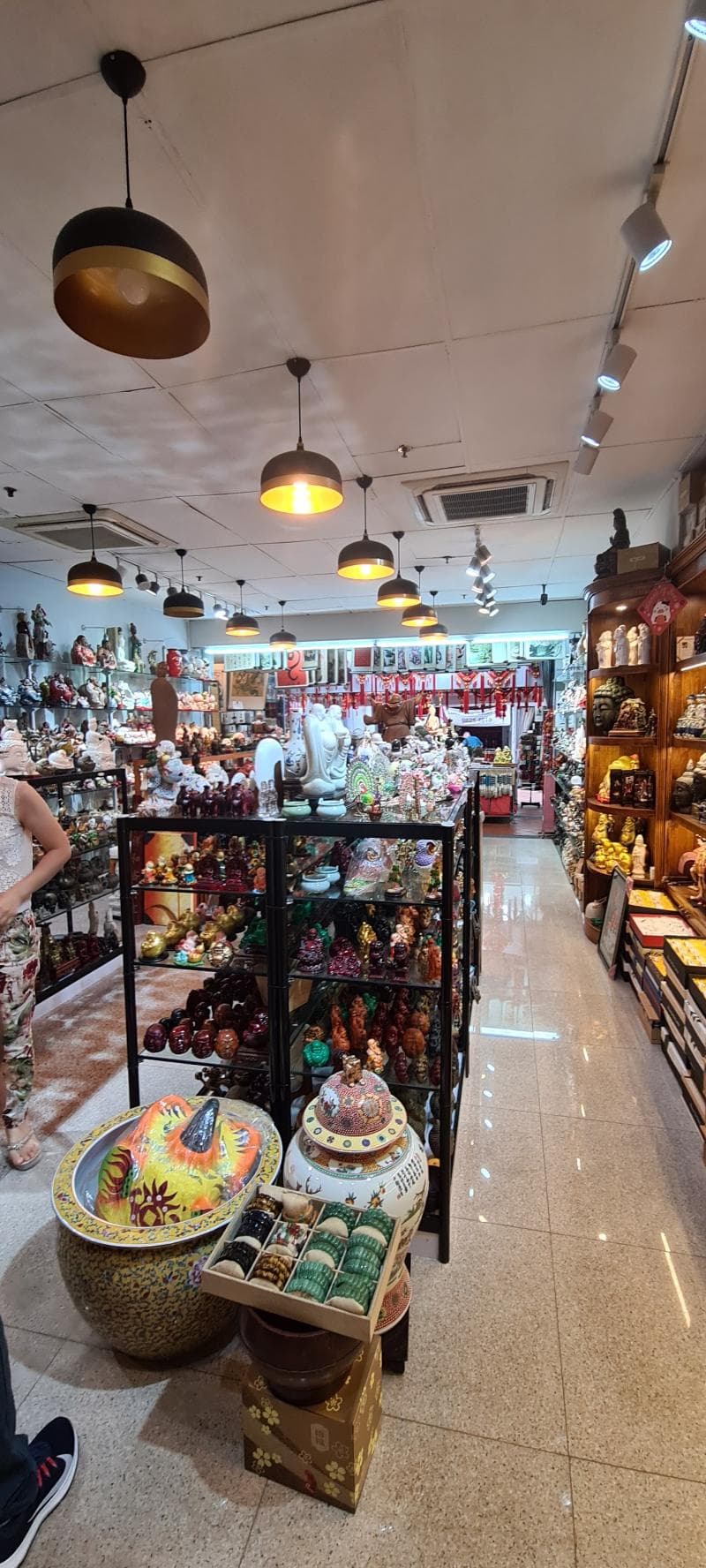
Explore Singapore's vibrant Chinatown Street Market for cultural souvenirs, historic shophouses, and local flavors. Discover the heart of Chinese heritage in Singapore.
Overview
The Chinatown Street Market in Singapore is a lively open-air bazaar nestled within the historic Chinatown district, offering a vibrant sensory experience. Spread across key thoroughfares such as Pagoda Street, Trengganu Street, Sago Street, Temple Street, and Smith Street, this bustling market is a magnet for both locals and curious travelers. Entry to the market is free, and its stalls typically operate daily from 9:30 AM to 10:00 PM.
Visitors can explore hundreds of stalls brimming with a diverse array of goods, from traditional Chinese souvenirs like lacquerware and silk scarves to handicrafts, clothing, and quirky trinkets. The market's charm is significantly amplified by the iconic strings of red lanterns that adorn the streets, creating a picturesque canopy, especially as dusk settles and the lights begin to glow. Centrally located at 29 Smith Street, the market is symbolically flanked by two significant national monuments: the revered Sri Mariamman Temple to the north and the serene Jamae Mosque to the south, subtly highlighting the area's rich multicultural past.
History & Cultural Background
The origins of Singapore's Chinatown, and by extension its street market, are deeply rooted in Sir Stamford Raffles' visionary 1822 Town Plan. This plan strategically designated the area southwest of the Singapore River as a settlement for Chinese immigrants, intending for it to become a concentrated hub for the community. Consequently, this district rapidly evolved into one of the most densely populated areas during Singapore's early colonial period.
The architectural landscape visible above the vibrant market stalls speaks volumes about this heritage. The two and three-storey Straits Eclectic shophouses, dating primarily from the late 19th and early 20th centuries, showcase ornate plaster facades and intricate details, many of which have been meticulously conserved under Singapore's urban development guidelines. Pagoda Street, in particular, holds historical significance as it was often the initial point of arrival and settlement for many Chinese immigrants in the 19th century, serving as a vital center for both living and commerce. Over time, the market transformed from a series of essential wet markets catering to local needs into a premier cultural tourism destination, carefully preserving the aesthetic and atmosphere of the early 1900s. While street hawkers were once an integral part of Chinatown's social and cultural identity, many were eventually rehoused into modern complexes like the Chinatown Complex in the 1980s to improve living conditions and urban planning, shifting some traditional food offerings indoors while the street market maintained its retail focus.
What Makes It Special
The Chinatown Street Market stands out for its captivating blend of traditional charm and subtle modern conveniences. It functions as a dynamic cultural district, vibrantly showcasing the enduring heritage of Singapore's Chinese community. One of its defining characteristics is the sheer diversity of shopping experiences it offers, ranging from the timeless appeal of traditional shophouses, some of which have been operational for generations, to the bustling energy of street vendors and even proximity to modern air-conditioned malls.
The architecture itself is a testament to Singapore's rich past, presenting a fascinating fusion of Chinese, Malay, and European influences that are clearly visible in the distinctive Peranakan and colonial shophouse styles. The market's atmosphere is particularly enchanting at dusk when the myriad of red lanterns illuminates the streets, casting a warm glow over the historic surroundings. Furthermore, the market's location within Chinatown highlights Singapore's profound multiculturalism, being bookended by the ancient Sri Mariamman Temple, a Hindu place of worship, and the historic Jamae Mosque, signifying the peaceful coexistence of diverse faiths within this predominantly Chinese enclave.
Stories, Fun Facts & Local Details
Beyond the bustling stalls, the Chinatown Street Market is steeped in unique stories and historical nuances. Sago Street, now a lively stretch of shops, once held a somber reputation in the early to mid-20th century as the 'street of death houses.' These establishments provided a place for elderly Chinese to spend their final days in the company of others from their dialect group. The very name 'Chinatown' in Chinese, 'Niu Che Shui' (牛车水), literally translates to 'bullock water cart,' a nod to the historical method of transporting water to the area by bullock-drawn carts.
Pagoda Street derives its name from the 'gopuram,' or tower, of the nearby Sri Mariamman Temple, an unexpected detail that reflects the early religious diversity of the area. The market truly transforms during festivals, especially Lunar New Year, when it is adorned with spectacular light installations, specialized night markets, and traditional performances like lion dances, creating an exceptionally festive atmosphere. While many vendors offer typical souvenirs, discerning visitors can discover independent retailers tucked within the shophouses selling higher-quality, authentic goods such as traditional Chinese tea, handcrafted paper fans, or calligraphy supplies. For those seeking to delve deeper into the neighborhood's layered past, the Chinatown Heritage Centre on Pagoda Street offers insightful exhibits.
Visitor Perspective
For visitors, the Chinatown Street Market offers a captivating experience, particularly appealing to souvenir hunters, first-time travelers to Singapore, and those who enjoy an evening stroll. The most picturesque time to visit is undoubtedly around dusk, as the traditional red lanterns begin to glow, transforming the colonial streetscapes into a magical tableau. While the market is vibrant, it can become quite crowded, especially by early afternoon, and the narrow lanes can concentrate the tropical heat. Compared to some other Asian street markets, Singapore's Chinatown Street Market is often described as tidy, well-lit, and safe, offering a more 'polished' rather than 'raw' experience.
It is advisable for visitors to wear comfortable shoes, as exploring the extensive network of stalls and streets involves a considerable amount of walking. For those keen on shopping, light bargaining is often acceptable, particularly for larger purchases. While the street market offers snacks, travelers seeking a more authentic and local culinary experience are often directed to nearby hawker centers like Maxwell Food Centre or the Chinatown Complex Food Centre, which offer a wider array of traditional dishes. The majestic Buddha Tooth Relic Temple, a significant landmark, is also within easy walking distance, providing a serene contrast to the market's hustle and bustle.
Coordinates: 103.844, 1.2849
View on Google Maps💬 How Travelers Describe This Place
Based on community votes
Beautiful
556Interesting
470Photogenic
410Unique
254Must See
145
Traveler Stories
Discover memorable experiences shared by travelers who have visited this place.
No traveler stories yet.
Be the first traveler to share what made this place memorable.

Tour
By
Spot
Discover amazing places around the world. Your journey starts here.
Explore
© 2026 TourBySpot. All rights reserved.