Chinatown Arch
Manila, Philippines
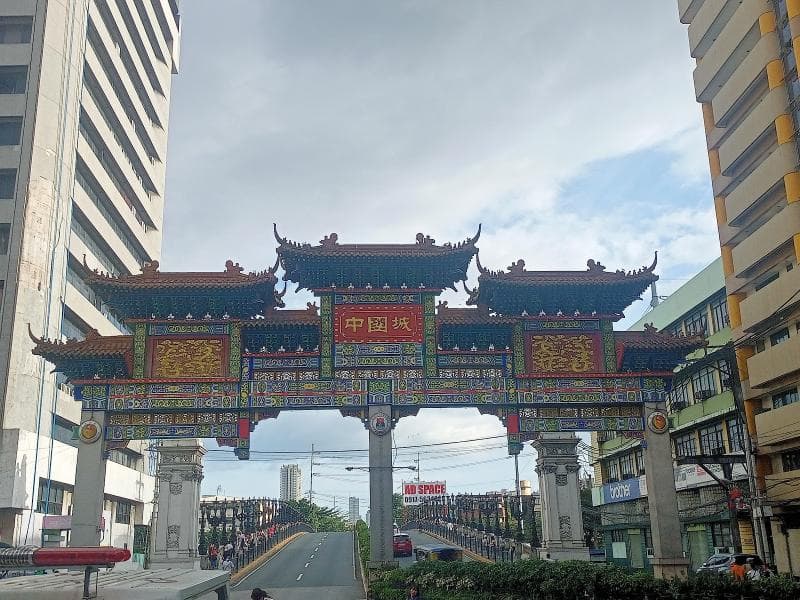
Discover the iconic Chinatown Arch in Binondo, Manila, the world's oldest Chinatown. Explore its rich history, cultural symbolism, and vibrant Filipino-Chinese heritage.
Overview
Stepping into Binondo, Manila, is like entering a vibrant historical tableau, and its distinctive arches serve as monumental gateways to this enduring cultural heartland. Binondo holds the prestigious title of being the world's oldest Chinatown, established by Spanish colonial authorities in 1594. The various arches that punctuate its boundaries are more than just architectural marvels; they are potent symbols of the profound historical and cultural ties between the Filipino and Chinese communities. They invite travelers into a district where centuries of trade, migration, and cultural fusion have sculpted a unique identity.
While several arches grace Binondo, two stand out prominently: the newer, grand Binondo Chinatown Arch and the older Filipino-Chinese Friendship Arch, alongside other community-funded arches like the Arch of Goodwill. Each offers a unique perspective on the district's layered narrative. These structures not only mark the physical entry points to this bustling enclave but also embody the spirit of resilience, enterprise, and cross-cultural understanding that defines Binondo. Visitors are immediately enveloped by an atmosphere rich with tradition, commerce, and a harmonious blend of heritage, promising an unforgettable journey through Manila's oldest and most dynamic district.
History & Cultural Background
Binondo's origins trace back to 1594 when Spanish Governor Luis Pérez Dasmariñas designated it as a permanent settlement for Chinese immigrants, known as 'sangleys,' who had converted to Catholicism. Located across the Pasig River from the walled city of Intramuros, this strategic placement allowed Spanish authorities to monitor the Chinese community while fostering trade. Over the centuries, Binondo flourished, evolving from a regulated settlement into Manila's premier commercial and financial hub.
The concept of symbolic arches as gateways to Binondo gained prominence over time. The original Filipino-Chinese Friendship Arches, four in total, were erected in the 1970s. These arches were built by the local Filipino-Chinese ('Tsinoy') community to commemorate the formalization of diplomatic relations between the Philippines and China on June 9, 1975, a date now celebrated as Philippine-Chinese Friendship Day. They were designed to reflect a blend of Chinese and local influences, often featuring inscriptions in Chinese, English, and Tagalog. A more recent addition, the towering Binondo Chinatown Arch, was completed in 2015. This arch, notably larger and funded by the China Energy Fund Committee, was part of a broader urban revitalization effort and stands as a modern architectural statement at the foot of Jones Bridge.
What Makes It Special
The arches of Binondo are special for their dual role as grand architectural statements and profound cultural markers. The New Binondo Chinatown Arch, inaugurated in 2015, claims the title of the world's largest Chinatown arch, standing an impressive 63.8 feet tall and 74 feet wide. Its imposing size and modern pagoda-inspired design, featuring vibrant colors typical of southern Chinese architecture (blue, green, yellow, and red), make it an unmissable landmark at the entrance to Binondo from Jones Bridge.
However, the earlier arches, such as the Filipino-Chinese Friendship Arch and the Arch of Goodwill, hold a distinct emotional and historical significance for the local Tsinoy community. These community-funded structures embody a more organic representation of the unique Filipino-Chinese identity, born from centuries of intermingling cultures. They symbolize the enduring goodwill and harmonious assimilation between Chinese immigrants and the Filipino people, transcending mere political statements. Each arch, whether new or old, serves as a testament to Binondo's heritage, inviting visitors to ponder the rich tapestry of its past and the vibrant blend of influences that define its present.
Stories, Fun Facts & Local Details
One of the most compelling stories surrounding the arches involves the controversy over the inscription on the 2015 New Binondo Chinatown Arch. The Chinese characters on this arch translate literally to 'China Town' ('zhong guo zheng'), rather than 'Chinatown.' This linguistic choice sparked debate among many local Filipino-Chinese residents, who felt it implied the district was an 'outpost of China' rather than a reflection of their distinct 'hua ren qu,' or 'Chinese people district,' shaped by centuries of local experience and integration. This sentiment highlights the deep-rooted pride the Tsinoy community has in its unique identity, forged through centuries of adaptation and intermarriage within the Philippines.
Beyond this, there are other arches that hold unique stories. The Arch of Goodwill, for instance, situated at the end of Ongpin Street, signifies the hopes for continued harmonious relations between the two communities and nations. The presence of multiple arches, each with its own history and symbolism, underscores the dynamic nature of Binondo's cultural landscape. Walking through them, one can notice multilingual signages (English, Filipino, and traditional Chinese scripts), alongside traditional Chinese architecture blended with Spanish colonial influences, exemplifying the district's eclectic heritage. This living history extends to the culinary scene, where Southern Chinese traditions have adapted over generations into distinctly Chinese-Filipino forms, like 'pancit' and 'hopia.'
Visitor Perspective
For the curious traveler, the Chinatown Arches in Binondo are not merely photo opportunities but profound entry points to an immersive cultural experience. Approaching Binondo via Jones Bridge, the imposing New Binondo Chinatown Arch serves as an immediate visual cue, beckoning visitors into the district's bustling embrace. It's a popular spot for photographs, especially with its impressive size and vibrant colors.
However, to truly appreciate Binondo's spirit, one should seek out the older, community-funded arches, such as the Filipino-Chinese Friendship Arch and the Arch of Goodwill. These structures offer a more intimate connection to the heart of the Tsinoy community and their journey of cultural fusion. Navigating through these gateways leads directly into Binondo's vibrant streets like Ongpin, where the aroma of traditional Chinese delicacies mingles with the scent of herbal medicines. The arches collectively signal the start of an adventure filled with historical landmarks, unique culinary delights, and the tangible blend of Filipino and Chinese traditions, making Binondo a must-visit destination for those seeking a rich, authentic cultural encounter.
Coordinates: 120.976669, 14.596917
View on Google Maps💬 How Travelers Describe This Place
Based on community votes
Interesting
921Must See
617Beautiful
357Photogenic
232Unique
147
Traveler Stories
Discover memorable experiences shared by travelers who have visited this place.
No traveler stories yet.
Be the first traveler to share what made this place memorable.

Tour
By
Spot
Discover amazing places around the world. Your journey starts here.
Explore
© 2026 TourBySpot. All rights reserved.