Chilonzor Line
Tashkent, Uzbekistan
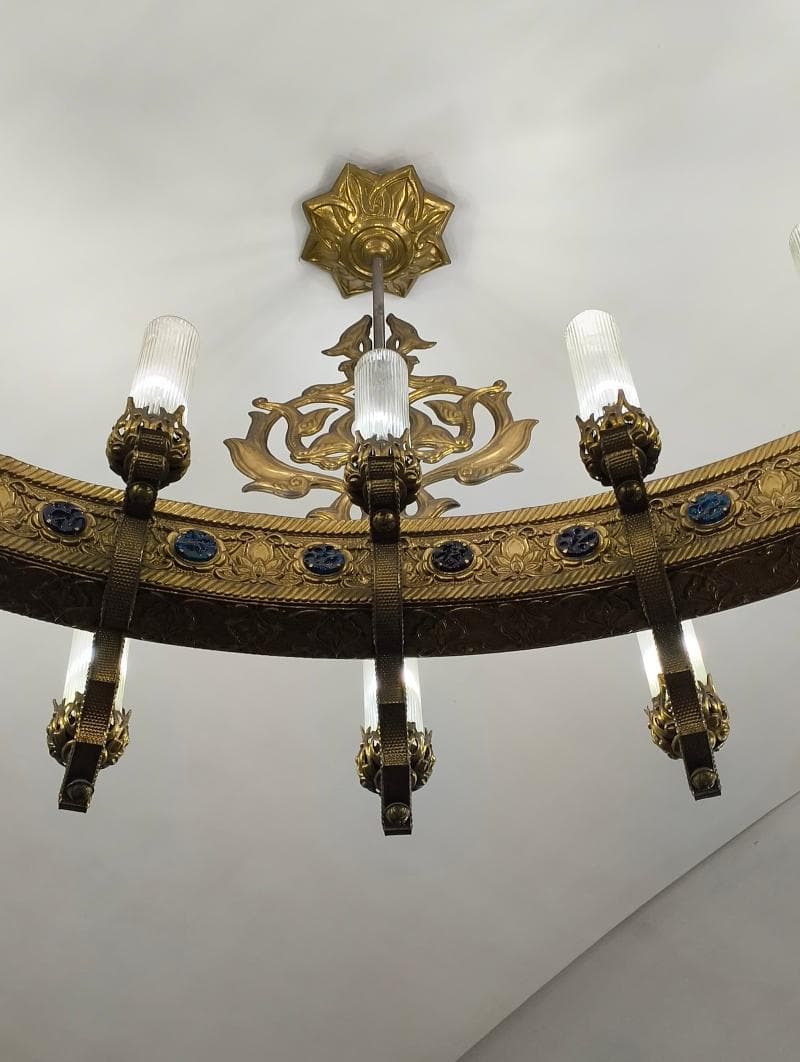
Explore the Chilonzor Line, Tashkent Metro's historic red line, an underground art gallery showcasing Uzbekistan's rich culture.
Overview
The Chilonzor Line, often recognized by its vibrant red hue on metro maps, stands as the pioneering route of the Tashkent Metro in Tashkent, Uzbekistan. Opened to the public on November 6, 1977, it marked a significant milestone as the first underground railway system in Central Asia. Today, this vital artery stretches approximately 23.7 kilometers, gracefully navigating from the southwestern to the central and northeastern districts of the city. Along its path, it serves 17 stations, connecting residential areas, bustling bazaars, tranquil parks, and the dynamic city center, offering both locals and curious travelers a unique journey through Tashkent's urban landscape.
History & Cultural Background
The genesis of the Chilonzor Line, and indeed the entire Tashkent Metro, is deeply intertwined with the city's resilience and vision for the future. Following the devastating 1966 Tashkent earthquake, which necessitated extensive rebuilding efforts, plans for a modern metro system were initiated in the late 1960s, with construction commencing in 1972. Unlike purely utilitarian transportation networks, the Tashkent Metro was conceived as an 'underground art gallery,' a testament to Uzbekistan's rich cultural and historical tapestry. Esteemed Soviet engineers, architects, and Uzbek artists collaborated to create a system that was not only robustly earthquake-resistant—designed to withstand magnitudes up to 9.0 on the Richter scale—but also aesthetically magnificent. For decades, its strategic dual purpose as a nuclear bomb shelter meant photography was strictly prohibited, preserving its artistic splendor largely from the outside world until the ban was lifted in June 2018.
What Makes It Special
What truly sets the Chilonzor Line, and the Tashkent Metro as a whole, apart is its extraordinary commitment to art and architecture. Each station along the line is a distinct masterpiece, individually designed by an artist to reflect a specific theme, celebrate a cultural hero, or depict an aspect of Uzbek history and folklore. Passengers are treated to an immersive experience where intricate mosaics, gleaming marble, ornate chandeliers, and detailed tilework transform each stop into a unique visual narrative. This artistic dedication, combined with its status as Central Asia's first metro, makes it a living museum beneath the city streets. Moreover, the metro's relatively shallow depth, a contrast to many other Soviet-era subway systems, contributes to its unique character.
Stories, Fun Facts & Local Details
- A Grand Opening: The Chilonzor Line's inauguration on November 6, 1977, coincided with the 60th anniversary of the October Revolution, making it a significant national event that attracted visitors from across the region.
- Station Specifics: The Chilonzor station itself, named after the district it serves, boasts a high white vaulted ceiling adorned with large, circular chandeliers, and its walls feature vibrant ceramic murals illustrating everyday Uzbek life.
- Symbols in Stone: Mustaqillik Maydoni (Independence Square), another prominent station on the line, captivates with its grand white marble columns and flooring embedded with star patterns, symbolizing Soviet space exploration achievements during its earlier years as 'Lenin Square'.
- Cotton Kingdom: Paxtakor station pays homage to Uzbekistan's historical importance in cotton production with its stunning mosaics depicting flowering cotton plants, a significant symbol for the nation.
- Literary Homage: Pushkin station, opened in 1980, features dark marble, bronze candelabras, and intricate hexagon patterns, dedicated to the renowned Russian poet Alexander Pushkin.
- Soviet Legacy on Rails: The Tashkent Metro still operates many of its original trains, manufactured by the Soviet company Metrovagonmash, offering a glimpse into its rich past.
Visitor Perspective
For a curious traveler, exploring the Chilonzor Line is less about simply commuting and more about embarking on an artistic and historical expedition. The metro is celebrated for being clean, efficient, and remarkably easy to navigate, making it an accessible attraction. Since the lifting of the photography ban in 2018, visitors are now free to capture the breathtaking beauty of its stations, transforming a simple ride into an opportunity for stunning photographic memories. While extremely affordable, with tickets purchased as single rides or via electronic cards, it's advisable to avoid peak hours for a more relaxed experience amidst the daily flow of commuters. Comfortable footwear is recommended, as some stations feature lengthy staircases. Experiencing the Chilonzor Line is to witness an active, vibrant piece of history and art, moving beneath the bustling city of Tashkent.
Coordinates: 69.205, 41.27444
View on Google Maps💬 How Travelers Describe This Place
Based on community votes
Beautiful
910Must See
755Interesting
658Photogenic
589Unique
374
Traveler Stories
Discover memorable experiences shared by travelers who have visited this place.
No traveler stories yet.
Be the first traveler to share what made this place memorable.

Tour
By
Spot
Discover amazing places around the world. Your journey starts here.
Explore
© 2026 TourBySpot. All rights reserved.