Children’s Section
Antalya, Turkey
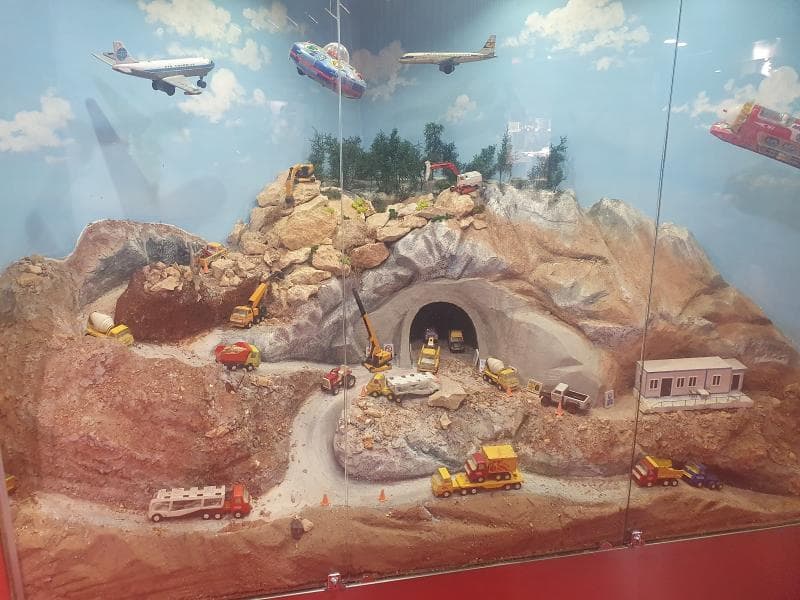
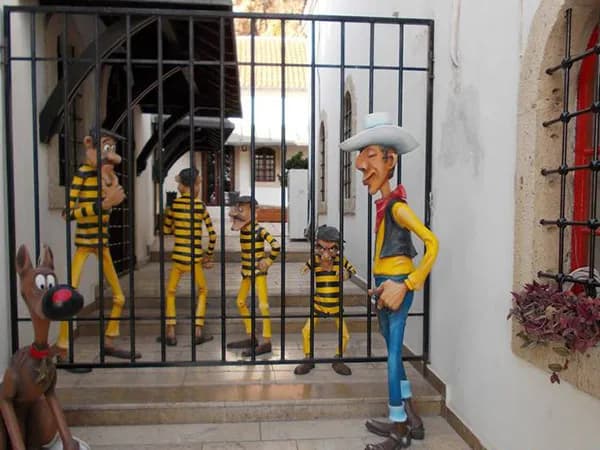
Discover the Antalya Museum's Children's Section in Antalya, Turkey – a unique, interactive space designed to spark kids' interest in archaeology and history.
Overview
The Children's Section, often referred to as the 'Children's Museum' or 'Children Hall', is a distinctive part of the esteemed Antalya Museum in Antalya, Turkey. This dedicated area was groundbreaking, being the first of its kind in Turkey specifically designed to engage young visitors with the rich tapestry of history and archaeology. While the main Antalya Museum showcases an expansive collection spanning from the Paleolithic era to the Ottoman period, the Children's Section offers a tailored, interactive experience, making ancient history accessible and exciting for younger audiences.
As of July 2025, the Antalya Museum, including its Children's Section, entered a temporary closure phase for extensive rebuilding and modernization. This necessary project, prompted by a 2020 seismic analysis, aims to enhance the museum's structure and facilities. When it reopens, the new museum is expected to triple storage capacity and update its conservation technology, promising an even more enriched visitor experience.
History & Cultural Background
The Antalya Museum itself boasts a profound history, established in 1922 and relocating to its present, purpose-built structure in 1972. It is celebrated as one of Turkey's largest and most significant archaeological institutions, having been awarded the 'European Council Special Prize' in 1988 for its outstanding collection and innovative approach to exhibition. The creation of a dedicated Children's Section reflects a modern understanding of museum pedagogy, recognizing the importance of nurturing an early interest in cultural heritage.
The initiative to establish such a unique space within a major archaeological museum highlights a forward-thinking approach to cultural education in Turkey. By presenting archaeological concepts and historical narratives in a child-friendly format, the museum aimed to cultivate future generations of history enthusiasts and preserve the legacy of the Pamphylia and Lycia regions. This commitment to educational outreach underscores the museum's role not just as a repository of artifacts but as a dynamic center for learning and discovery.
What Makes It Special
What truly sets the Children's Section apart is its pioneering status as Turkey's first dedicated children's museum within a larger archaeological institution. It is more than just a display; it's an interactive learning environment designed to introduce children to the fundamentals of archaeology and ancient civilizations. The section features playful artifacts and interactive displays that transform abstract historical concepts into tangible, engaging experiences.
Visitors could find miniature models of some of Turkey's most important historical monuments, offering a scaled-down yet captivating glimpse into ancient cities like Perge, Aspendos, and Patara, or the intriguing Karain Cave. Antique moneyboxes and various children's toys from different eras also formed part of the collection, providing a tangible connection to the past. Educational activities, such as opportunities for ceramic sculpture and drawing, allowed children to actively participate and express their understanding of historical objects. The inclusion of a studio section where children's works are presented further fosters a sense of accomplishment and creative engagement, making history come alive for young minds.
Stories, Fun Facts & Local Details
Imagine a young explorer stepping into a world where history is not just seen, but touched and created. The Children's Section of the Antalya Museum was precisely this kind of space. One fun aspect was the chance for kids to engage in 'simple restorations,' mimicking the work of archaeologists and conservators. This hands-on approach demystified the often-complex world of archaeological preservation, making it relatable and fun. The display of 'antique moneyboxes' offered a charming peek into the daily lives of children from bygone eras, prompting thoughts about how children saved and played centuries ago.
Another fascinating detail was the inclusion of miniature models representing significant sites from the region, such as the Lycian rock tombs of Myra or the ancient household from Çatalhöyük. These models allowed children to grasp the scale and architectural marvels of these sites, igniting their imaginations about the people who built and lived in them. The section aimed to spark a 'love for history' and 'curiosity' in archaeology, transforming a museum visit from a passive observation into an active adventure.
Visitor Perspective
Before its temporary closure for redevelopment, the Children's Section of the Antalya Museum was highly regarded as an excellent addition for families visiting Antalya. It offered a refreshing break from traditional museum exhibits, providing a space where children could learn and play simultaneously. Travelers often noted how well-organized the exhibits were, making the history accessible and easy for children to understand.
However, it is crucial for prospective visitors to be aware that the entire Antalya Museum, including its Children's Section, is currently undergoing significant rebuilding. This means that as of the present, the museum is closed to the public. While this temporary closure impacts immediate travel plans, the future promises an even more modern and extensive facility. Once reopened, the enhanced Antalya Museum will undoubtedly continue to offer a world-class experience, with its Children's Section remaining a key draw for families seeking an educational and engaging cultural outing in Antalya, Turkey. Until then, keen travelers might explore other family-friendly attractions in Antalya, anticipating the grand return of this significant cultural institution.
Coordinates: 30.6797, 36.8856
View on Google Maps💬 How Travelers Describe This Place
Based on community votes
Must See
931Interesting
670Unique
655Beautiful
266Photogenic
166
Traveler Stories
Discover memorable experiences shared by travelers who have visited this place.
No traveler stories yet.
Be the first traveler to share what made this place memorable.

Tour
By
Spot
Discover amazing places around the world. Your journey starts here.
Explore
© 2026 TourBySpot. All rights reserved.