Chapels
Brussels, Belgium
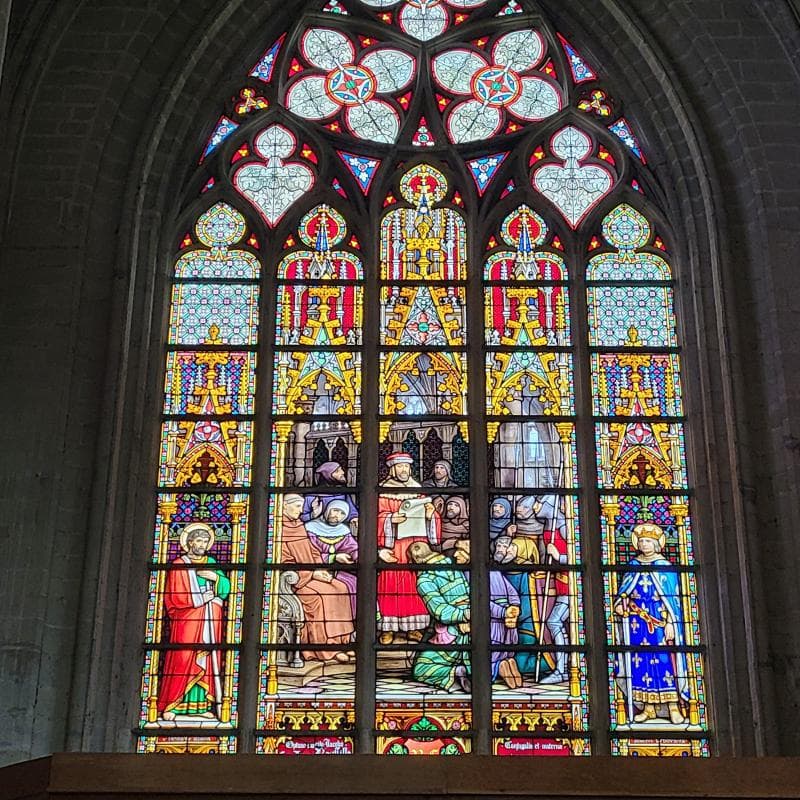
Discover the historic chapels within Saint-Michael and Saint-Gudula Cathedral in Brussels, Belgium. Explore Gothic and Baroque artistry, and rich history.
Overview
Nestled within the grandeur of the Saint-Michael and Saint-Gudula Cathedral in Brussels, Belgium, lie several chapels that form an integral part of this magnificent Brabantine Gothic masterpiece. These sacred spaces are not mere alcoves; they are richly adorned sanctuaries, each telling a distinct story through its architecture, art, and historical significance. As you wander through the vast nave and choir of the cathedral, these chapels offer intimate moments of reflection and reveal layers of artistic and spiritual heritage that have accumulated over centuries. They represent the evolving styles and devotions within this historic church, inviting visitors to delve deeper into its profound past.
History & Cultural Background
The origins of a sacred site on this very location stretch back to the 9th century, with an initial chapel dedicated to Saint Michael. This modest beginning evolved into a Romanesque church in the 11th century, eventually giving way to the imposing Gothic structure we see today, with construction commencing in 1226.
The chapels themselves, however, represent later additions and modifications, primarily spanning the 16th and 17th centuries, reflecting periods of significant artistic and religious flourishing. For instance, the Chapel of the Blessed Sacrament of the Miracle was erected between 1534 and 1539, while the Chapel of Our Lady of Deliverance followed in the mid-17th century, between 1649 and 1655. The Baroque Chapel of St. Mary Magdalen was one of the last major additions in the late 17th century, from 1672 to 1675.
The cathedral, and by extension its chapels, have weathered the tides of history, including the Reformation and the French Revolution, periods that often brought considerable destruction. Despite these challenges, ongoing restoration efforts, particularly in the 19th and 20th centuries, have preserved and revealed the chapels' original splendor, allowing their stories to continue to be told.
What Makes It Special
Each chapel within Saint-Michael and Saint-Gudula Cathedral boasts unique features that make it special. The Chapel of the Blessed Sacrament of the Miracle, situated on the north side of the ambulatory, is an outstanding example of flamboyant Gothic architecture. It is most notably recognized as the repository of the Cathedral's 'treasure,' safeguarded behind intricate 18th-century wrought-iron doors. This chapel houses a collection of liturgical and religious artifacts, including chalices, crosses, relics, and sculptures, alongside vibrant stained-glass windows dating back to 1540.
Correspondingly, on the south side, lies the Chapel of Our Lady of Deliverance. Also built in a late Gothic style, this chapel, constructed between 1649 and 1655, features a magnificent Baroque altar crafted by Jan Voorspoel in 1666. Its impressive stained-glass windows vividly narrate episodes from the life of the Virgin Mary, casting a serene glow within.
Towards the eastern end, behind the apse, the Chapel of St. Mary Magdalen, often referred to as the Maes Chapel, stands out with its distinct Baroque style. Dating from 1672–1675, it presents an octagonal plan crowned with a dome and lantern. Within, visitors can admire a compelling marble and alabaster altarpiece from 1538, depicting the Passion of Christ, a masterwork by the sculptor Jean Mone.
Stories, Fun Facts & Local Details
The chapels hold countless tales within their ancient stones. The Chapel of St. Mary Magdalen, for instance, not only serves as a place of worship but also once functioned as a burial crypt for the Maes family, connecting it deeply to local aristocratic history.
The very existence of the Chapel of the Blessed Sacrament of the Miracle points to a significant event in the cathedral's past, recalling the 'Miracle of the Host' which has been a profound element of local devotion for centuries. The 'treasure' housed within this chapel includes an Anglo-Saxon inscribed cross-reliquary from around the year 1000, known as the 'Cross of Brussels', a testament to the cathedral's enduring legacy of collecting precious religious art.
While exploring the chapels, one might notice the profound artistry in their stained-glass windows. Emperor Charles V himself dedicated many of the stained glass windows within the cathedral, linking these sacred spaces to the highest echelons of European history and power.
Even today, the Chapel of Our Lady remains a site of continuous devotion, hosting daily Eucharistic celebrations, reminding visitors that these historical spaces are still very much alive with faith and tradition.
Visitor Perspective
For the curious traveler, encountering the chapels within the Saint-Michael and Saint-Gudula Cathedral is an experience of awe and tranquility. As sunlight filters through the intricate stained-glass windows, it paints the interiors with a kaleidoscope of colors, creating a serene and contemplative atmosphere.
Walking from one chapel to another, you transition through different eras of design and devotion, from the soaring lines of late Gothic to the rich ornamentation of the Baroque. These spaces offer a chance to pause, absorb the intricate details of altarpieces and sculptures, and appreciate the craftsmanship of past generations. Respectful exploration is encouraged, as the cathedral, and its chapels, remain active places of worship. Visitors are invited to soak in the spiritual and artistic richness, allowing the stories embedded in these walls to unfold before them.
Coordinates: 4.36028, 50.84778
View on Google Maps💬 How Travelers Describe This Place
Based on community votes
Unique
995Photogenic
839Beautiful
603Must See
581Interesting
388
Traveler Stories
Discover memorable experiences shared by travelers who have visited this place.
No traveler stories yet.
Be the first traveler to share what made this place memorable.

Tour
By
Spot
Discover amazing places around the world. Your journey starts here.
Explore
© 2026 TourBySpot. All rights reserved.