Chapel Of Reconciliation
Berlin, Germany
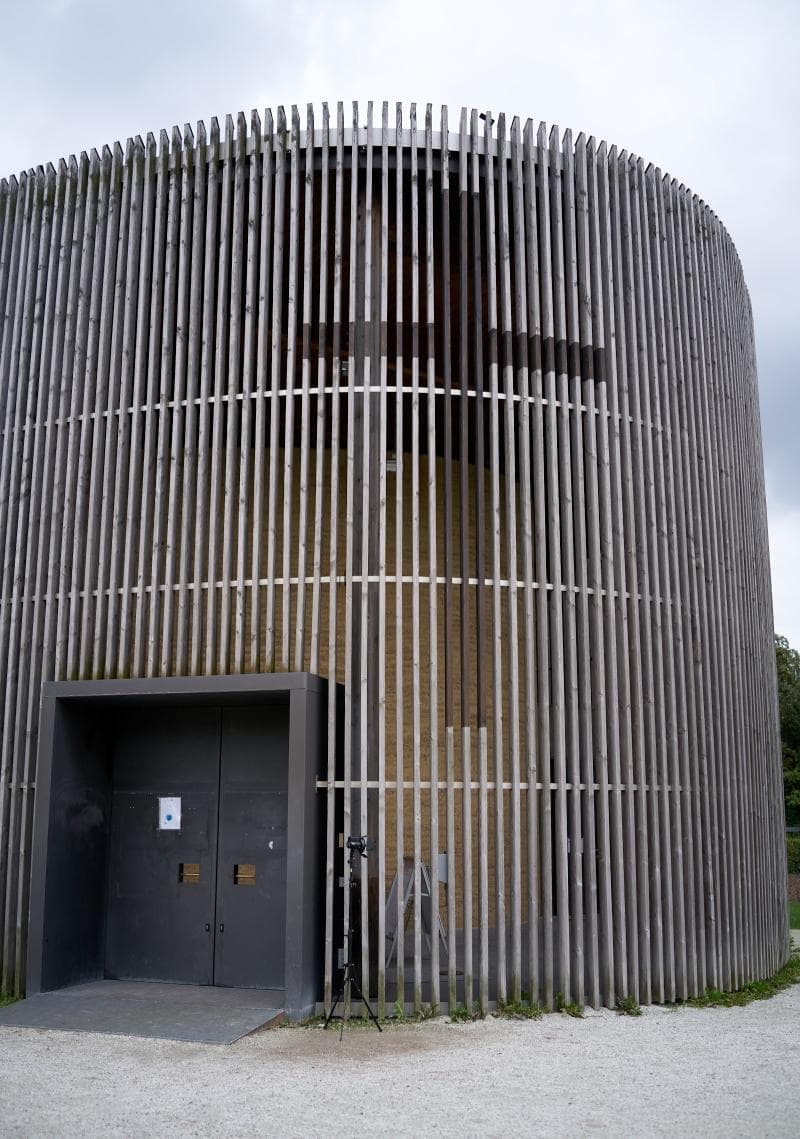
Explore the Chapel of Reconciliation, a unique rammed-earth church at the Berlin Wall Memorial in Berlin, Germany, symbolizing peace and healing from division.
Overview
Nestled within the poignant expanse of the Berlin Wall Memorial, the Chapel of Reconciliation stands as a quiet, yet profoundly moving, symbol of remembrance and healing. This unique place of worship is not merely a structure but a living testament to resilience, built on the very ground where a former church was tragically destroyed due to Berlin's division. Its modest design belies a deep historical significance, inviting visitors to pause, reflect, and seek solace amidst the remnants of a divided past. The chapel serves as a spiritual heart within the larger memorial, offering a space for contemplation and daily prayer in a city that profoundly understands the meaning of separation and reunion.
History & Cultural Background
The story of the Chapel of Reconciliation begins with its predecessor, the original Church of Reconciliation (Versöhnungskirche), a neo-Gothic brick building consecrated in 1894. Following the division of Berlin and the construction of the Berlin Wall in 1961, this church found itself in an impossible situation: directly within the 'death strip' – the heavily guarded no-man's-land between the two walls. Its congregation, once united, was brutally severed, with members living on both sides of Bernauer Straße. The church became inaccessible, used only as an observation post by East German border guards. Tragically, in 1985, the GDR government ordered its demolition to 'increase security' along the border. After the fall of the Wall in 1989 and Germany's reunification, the local parish, reclaiming their historic property, decided against rebuilding the old church brick-for-brick. Instead, they envisioned a new structure that would embody reconciliation and hope. Architects Rudolf Reitermann and Peter Sassenroth were commissioned, and the Chapel of Reconciliation was consecrated on November 9, 2000, the eleventh anniversary of the fall of the Berlin Wall.
What Makes It Special
The Chapel of Reconciliation is distinguished by its profound symbolism and innovative architecture. Its inner oval sanctuary is constructed from rammed earth, a unique choice for a public building in Germany, which incorporates visible fragments of the rubble from the demolished old church – a 'sedimentary memory' literally built into its walls. This material choice, overseen by Austrian clay artist Martin Rauch, reflects both ecological modernity and a deep connection to the site's past. An outer layer of wooden slats encircles the rammed-earth core, creating an ambulatory, a liminal space that allows light to filter in and provides a transition from the bustling memorial to the chapel's tranquil interior. Inside, visitors will find the original altar piece of the old church, painstakingly salvaged and reinstalled, now hanging in a niche bathed in natural light. The chapel's inclusion in Coventry Cathedral's Community of the Cross of Nails further underscores its global role as a beacon of peace and reconciliation.
Stories, Fun Facts & Local Details
Many stories and details underscore the chapel's significance. One powerful anecdote concerns the cross from the old church's tower, which was bent out of shape when it flew through the air during the 1985 demolition. This cross now lies on the ground near the chapel, a poignant witness to destruction and survival. The surrounding grounds feature a field of rye, sown annually, a deliberate choice to transform the former 'death strip' into a symbol of new life and fertility. Seeds harvested from this very field have been used to plant other reconciliation fields across Europe, connecting sites of historical pain. The chapel also hosts daily biographical devotions, from Tuesday to Friday at noon, commemorating one of the 138 individuals who lost their lives attempting to cross the Berlin Wall. During its construction in 1999, volunteers from numerous European countries contributed their efforts, signifying a collective act of healing and cooperation. Furthermore, the excavated basement staircase of the original church, walled up in 1961, has been uncovered inside the new chapel, literally exposing a piece of the past.
Visitor Perspective
For a curious traveler, stepping into the Chapel of Reconciliation offers a distinct experience within the expansive Berlin Wall Memorial. The stark, yet warm, rammed-earth interior evokes a sense of stillness and sacredness, a tangible contrast to the harsh realities depicted outside. It's a place where the weight of history meets quiet contemplation, encouraging personal reflection rather than dramatic spectacle. While the memorial provides a comprehensive historical account of the Berlin Wall through exhibitions and preserved segments, the chapel offers a deeply human and spiritual dimension. It allows visitors to connect with the emotional legacy of division and the profound hope for unity and forgiveness, making it an essential and moving stop on any journey through Berlin's past.
Coordinates: 13.3919, 52.53581
View on Google Maps💬 How Travelers Describe This Place
Based on community votes
Photogenic
922Interesting
665Unique
645Beautiful
244Must See
80
Traveler Stories
Discover memorable experiences shared by travelers who have visited this place.
No traveler stories yet.
Be the first traveler to share what made this place memorable.

Tour
By
Spot
Discover amazing places around the world. Your journey starts here.
Explore
© 2026 TourBySpot. All rights reserved.