Chapel
Dublin, Ireland
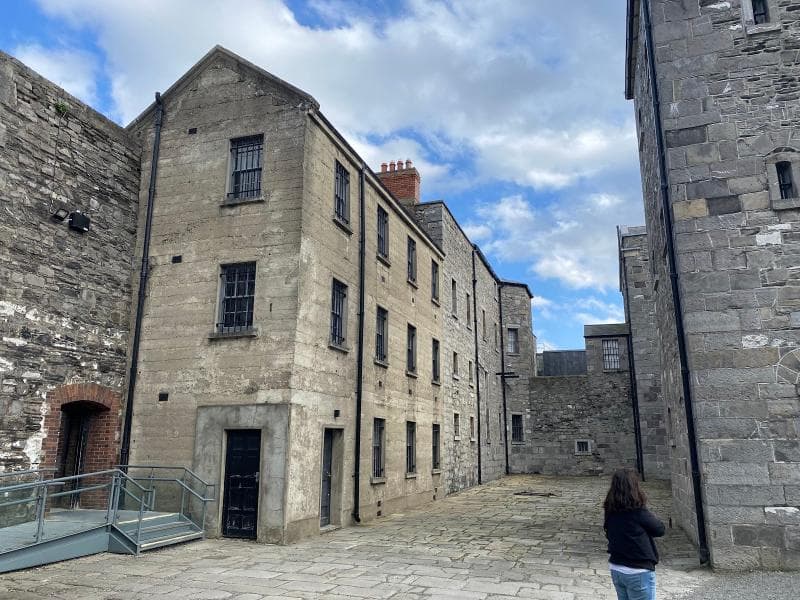
Discover the Chapel at Kilmainham Gaol in Dublin, Ireland. Explore its poignant history, including the famous Plunkett-Gifford wedding, and its role in Ireland's fight for independence.
Overview
Within the solemn walls of Kilmainham Gaol in Dublin, Ireland, lies a small but profoundly significant space known simply as the Chapel. This particular chapel, specifically the Catholic one, stands as a quiet witness to over a century of Irish history, deeply intertwined with the nation's struggle for independence. While Kilmainham Gaol itself opened in 1796 as the county gaol for Dublin and operated until 1924, its Chapel offered a momentary reprieve and a space for reflection for many prisoners. Today, it remains open to the public, inviting visitors to step into a past where faith and fortitude often converged under the shadow of incarceration. It is one of two chapels originally within the gaol, but the only one accessible to visitors, maintaining a palpable sense of the personal stories that unfolded within its red-walled interior.
The Chapel is an integral part of the Kilmainham Gaol Museum experience, offering a glimpse into the spiritual life, however constrained, of its former inmates. Its simple wooden altar, crafted by a prisoner, underscores the resourcefulness and human spirit that persisted even in the most challenging circumstances. Visitors to Kilmainham Gaol will encounter the Chapel as part of their guided tour, a journey through a place that served as both a conventional prison and a critical stage for Ireland's most heroic and tragic events.
History & Cultural Background
Kilmainham Gaol's Chapel holds a history as stark and compelling as the prison itself. Originally, the Gaol housed two chapels: a Catholic one, now open to the public, and a Protestant one, located on the top floor and historically painted blue. The Catholic chapel, found on the first floor, became a focal point for many Catholic prisoners, particularly for Sunday Mass. For these inmates, attending Mass in the Chapel was more than a religious observance; it was sometimes the only opportunity they had to see or interact with other prisoners, a rare break from the often-intense isolation imposed by the prison system.
The wooden altar within the Catholic Chapel has its own story, having been constructed in 1882 by James Lalor, a Belfast carpenter who was an inmate at the time. This detail speaks volumes about the human lives that passed through the gaol, not just as prisoners but as individuals with skills and stories. The Chapel was, like the rest of the Gaol, decommissioned in 1924 following Ireland's independence. It was later part of a significant restoration project of Kilmainham Gaol, eventually being re-opened to the public in 1971 after undergoing re-roofing, re-flooring, and the reconstruction of its altar, preserving its historical integrity for future generations.
What Makes It Special
What truly sets the Chapel at Kilmainham Gaol apart is not its architectural grandeur, but the profound human drama it witnessed. Its red walls seem to absorb the echoes of countless prayers, confessions, and whispered hopes. It is a space where the universal human need for solace and connection found a fragile expression amidst the harsh realities of prison life. The very simplicity of its design, with its inmate-crafted altar, enhances its raw authenticity and emotional resonance.
The Chapel is a powerful symbol of resilience and faith in the face of adversity, offering a poignant contrast to the cold, hard cells of the Gaol. It stands as a testament to the fact that even in the most oppressive environments, spiritual life and community could persist. Its preservation and accessibility allow visitors to physically occupy a space where significant personal and historical moments transpired, connecting them directly to the experiences of those who were confined within these walls.
Stories, Fun Facts & Local Details
Perhaps the most famous and heartbreaking event associated with the Chapel is the eleventh-hour wedding of Joseph Plunkett and Grace Gifford. This extraordinary ceremony took place in the early hours of May 3, 1916, just hours before Plunkett, a leader of the Easter Rising, was executed by firing squad in the Gaol's Stonebreakers' Yard. The couple were married by Father Eugene McCarthy, with the scene illuminated solely by prison-issue candles. Bound by prison rules, they were permitted to speak only their vows, their poignant ceremony witnessed by two soldiers. This tragic love story has become an enduring symbol of the personal sacrifices made during Ireland's fight for freedom, a tale often recounted with a hushed reverence.
While not a 'fun' fact in the traditional sense, the story of the wooden altar being carved by a prisoner, James Lalor, offers a unique insight into the daily lives and unexpected contributions of the Gaol's inmates. It highlights how even within a system designed to strip individuals of their identity, traces of craft and human endeavor could emerge. The Chapel's role as one of the few places where prisoners could gather, even under strict supervision, also points to the subtle ways in which community and resistance could form.
Visitor Perspective
Visiting the Chapel within Kilmainham Gaol is a deeply moving experience. As part of a comprehensive guided tour of the Gaol, entering this small, unassuming room provides a moment of quiet contemplation amidst the often-grim narratives of the prison. The knowledgeable guides often share the story of Plunkett and Gifford with sensitivity and detail, bringing the space to life and underscoring its emotional weight. It's a powerful reminder that behind the historical events were real people with profound personal lives and sacrifices.
The atmosphere inside the Chapel is distinct from the cold, expansive wings of the prison, offering a sense of intimacy and solemnity. It's a place where visitors can reflect on themes of faith, hope, and sacrifice that permeated the lives of those imprisoned here. The overall visit to Kilmainham Gaol, including the Chapel, is consistently described as impactful and thought-provoking, leaving a lasting impression on those seeking to understand Ireland's complex past. It is an essential stop for anyone interested in Irish history and the human stories behind the fight for independence.
Coordinates: -6.3098, 53.3418
View on Google Maps💬 How Travelers Describe This Place
Based on community votes
Beautiful
910Must See
755Interesting
658Photogenic
589Unique
374
Traveler Stories
Discover memorable experiences shared by travelers who have visited this place.
No traveler stories yet.
Be the first traveler to share what made this place memorable.

Tour
By
Spot
Discover amazing places around the world. Your journey starts here.
Explore
© 2026 TourBySpot. All rights reserved.