Chapel
Copenhagen, Denmark
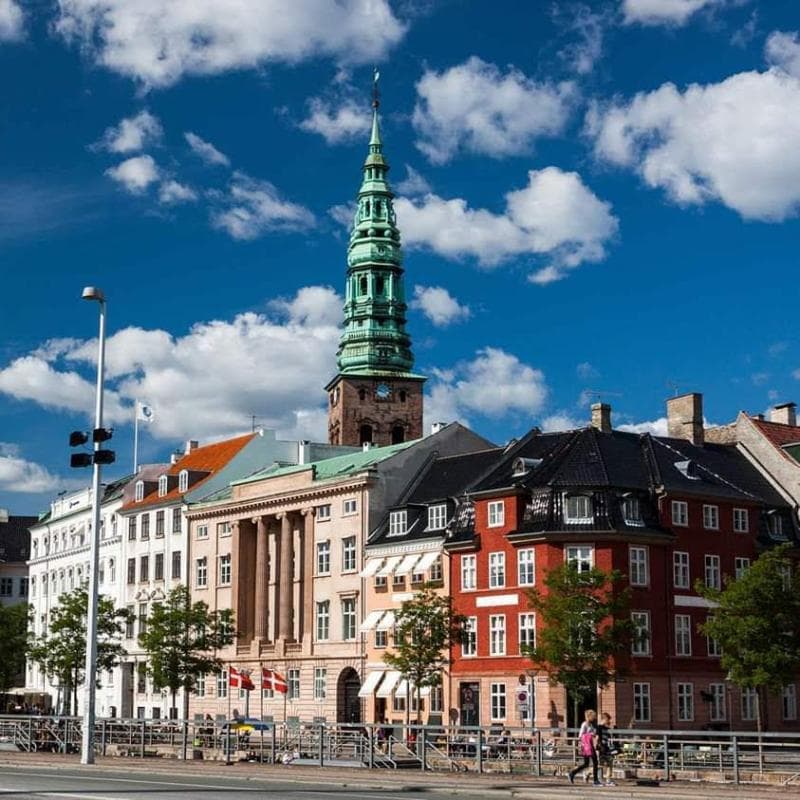
Explore Christiansborg Palace Chapel in Copenhagen, Denmark, a Neoclassical gem and site of royal events and parliamentary services, resilient through fires.
Overview
Nestled within the magnificent Christiansborg Palace in Copenhagen, Denmark, the Chapel stands as a testament to enduring faith, royal tradition, and architectural resilience. It is more than just a place of worship; it serves as the official church for the Danish Royal Family and also hosts parliamentary services, bridging the sacred and the state. Its elegant Neoclassical design, crowned by a distinctive dome, offers a serene counterpoint to the bustling political life that defines much of Christiansborg Palace. This historic edifice has repeatedly risen from the ashes, surviving multiple devastating fires to continue its integral role in Danish national and royal life, welcoming curious travelers to explore its storied past and tranquil beauty.
History & Cultural Background
The history of the Christiansborg Palace Chapel is a dramatic narrative interwoven with the fate of the palace itself. The first chapel on this site, a splendid Rococo interior designed by Nicolai Eigtved, was completed between 1738 and 1742 for King Christian VI. This original structure, part of the first Christiansborg Palace, was tragically consumed by a fire in 1794. Despite the extensive damage, a decision was made to rebuild using the existing foundations.
Architect Christian Frederik Hansen took on the monumental task, designing the new chapel in a refined Neoclassical style. Construction began in 1813 and concluded in 1826, with the inauguration held on Whit Sunday, May 14, 1826. This date was chosen to commemorate the 1000th anniversary of the introduction of Christianity to Denmark. Remarkably, this second chapel survived the second major palace fire in 1884, which destroyed much of the rest of Christiansborg Palace.
However, tragedy struck again in 1992, when a fire, allegedly started by a stray firework rocket during the Whitsunday Carnival, ravaged the chapel. The dome collapsed, and much of the interior was severely damaged. The subsequent restoration, completed in 1997, was meticulously carried out, earning architectural honors for its faithful recreation. The Chapel's reopening coincided with Queen Margrethe II's 25th anniversary on the throne, further cementing its royal connection.
Throughout its history, the Chapel has been a central venue for significant royal events, including baptisms, confirmations, weddings, and lying-in-state ceremonies for Danish monarchs. It also continues its tradition of hosting an annual church service for members of the Danish Parliament before the opening of the legislative session.
What Makes It Special
The Christiansborg Palace Chapel distinguishes itself through a unique blend of architectural beauty and historical resilience. Architect C.F. Hansen's Neoclassical design, with its imposing central dome, is considered a masterpiece of Danish architecture from the early 19th century. Inside, visitors are met with an elegant and harmonious space, featuring rare yellow stucco marble on the walls and Bertel Thorvaldsen's exquisite angel frieze, dating back to 1820.
Beyond its aesthetic appeal, the Chapel's ability to withstand and be painstakingly rebuilt after multiple devastating fires imbues it with a profound sense of fortitude. It literally stands as a survivor, particularly noted for being spared during the 1884 fire that consumed much of the Christiansborg Palace around it. This resilience contributes to its special aura, making it a powerful symbol of enduring Danish heritage and royal continuity. Its dual role as a royal church and a parliamentary church further highlights its unique position within Danish society, serving both the monarch and the nation's democratic processes.
Stories, Fun Facts & Local Details
- The 1992 fire, believed to have been sparked by fireworks, presented immense challenges to restorers. With no complete architectural plans of the dome and roof surviving, experts had to painstakingly document charred remains to guide the reconstruction, a process that garnered international recognition for its excellence.
- The Chapel has been the setting for numerous poignant royal moments, including the lying in state of Queen Ingrid and the baptism of His Royal Highness Prince Christian in 2006.
- The design of the Chapel's prominent cupola was inspired by architect C.F. Hansen's travels to Rome, where he was particularly fascinated by the many domed churches, drawing inspiration from classical Roman architecture.
- It's a historical anomaly: the Chapel survived the 1884 fire, while the rest of the second Christiansborg Palace was destroyed, leading to its reconstruction on existing foundations alongside the new, third palace.
- Each year, the Chapel plays a vital role in Denmark's political life, hosting a special church service for members of the Danish Parliament before the official opening of Parliament.
Visitor Perspective
Visiting the Christiansborg Palace Chapel offers a peaceful and enriching experience, often serving as an accessible entry point to the grandeur of Christiansborg Palace itself. While other attractions within the palace, such as the Royal Reception Rooms or the Royal Stables, typically require a ticket, the Chapel is frequently free to enter, making it a welcoming stop for all travelers. It provides a quiet space for reflection and an opportunity to appreciate exquisite architecture without the crowds sometimes found in other areas of the palace complex.
Travelers can easily explore the Chapel alongside other components of Christiansborg Palace, which collectively tell the story of Denmark's monarchy and governance. Its location on Slotsholmen, the 'Island of Power,' places it at the heart of Copenhagen's historical and political landscape. The Chapel is also designed with accessibility in mind, featuring a platform lift for wheelchair users, ensuring that its beauty and history can be appreciated by a wider audience. Stepping inside, one can connect with centuries of royal traditions and the enduring spirit of a landmark that has repeatedly triumphed over adversity.
Coordinates: 12.57936, 55.67705
View on Google Maps💬 How Travelers Describe This Place
Based on community votes
Must See
998Unique
903Beautiful
481Interesting
458Photogenic
197
Traveler Stories
Discover memorable experiences shared by travelers who have visited this place.
No traveler stories yet.
Be the first traveler to share what made this place memorable.

Tour
By
Spot
Discover amazing places around the world. Your journey starts here.
Explore
© 2026 TourBySpot. All rights reserved.