Chamber of the Sacred Relics
Istanbul, Turkey
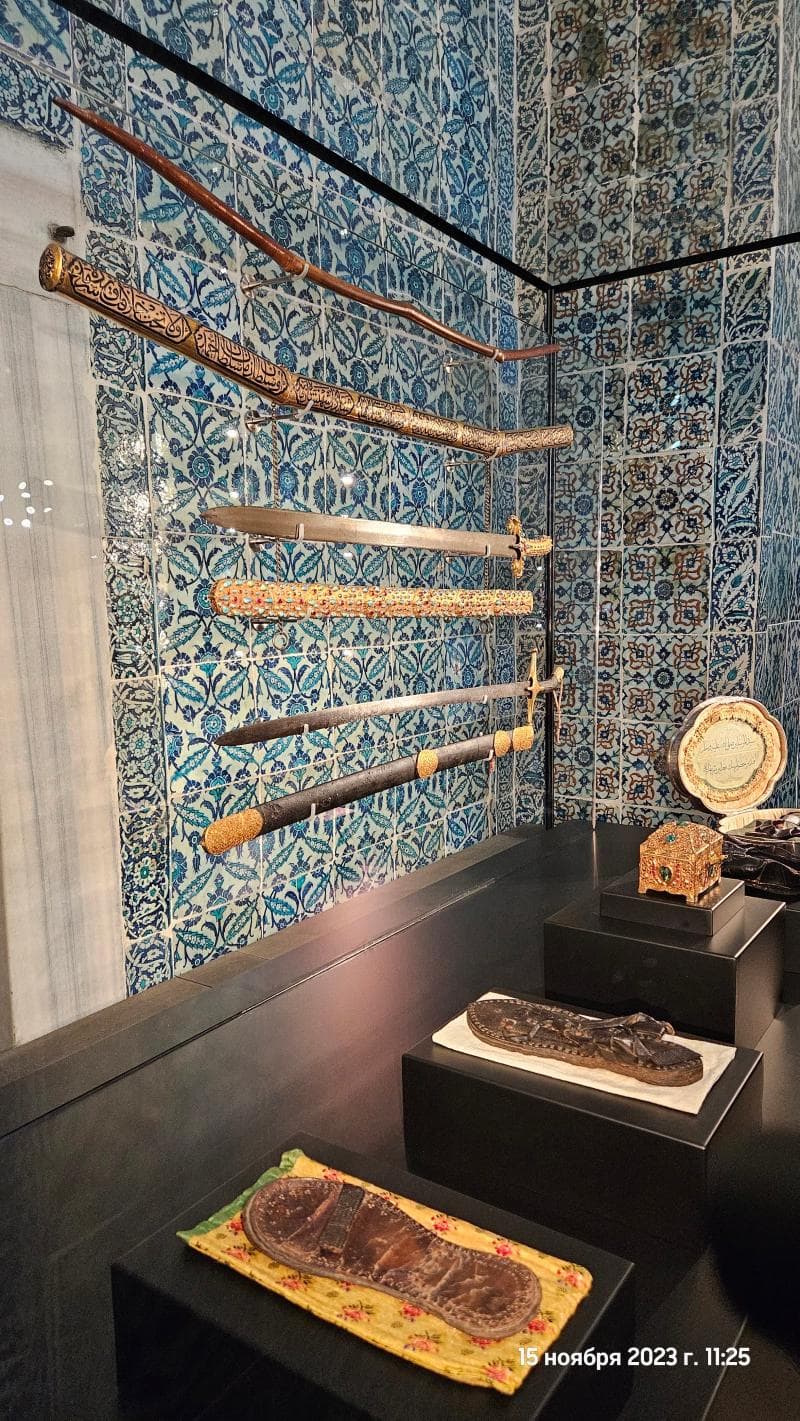
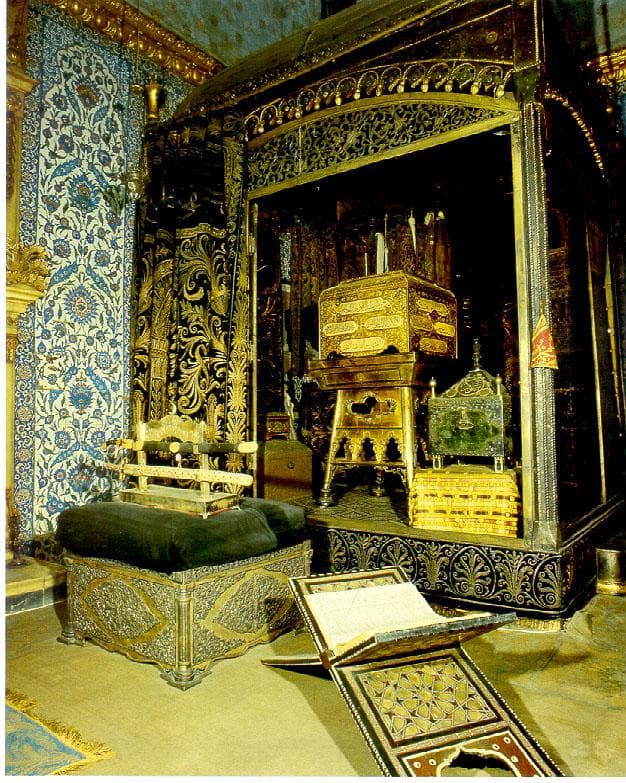
Explore the Chamber of the Sacred Relics in Topkapi Palace, Istanbul, Turkey. Discover Prophet Muhammad's mantle, swords, and other revered Islamic artifacts.
Overview
Deep within the historic Topkapi Palace in Istanbul, Turkey, lies the profoundly significant Chamber of the Sacred Relics, known in Turkish as the Mukaddes Emanetler Dairesi. This revered section, nestled within the Third Courtyard, houses one of the world's most extraordinary collections of Islamic sacred artifacts. It is a place where history, faith, and culture converge, offering visitors a unique spiritual experience. The chamber is distinguished by its serene atmosphere, enhanced by the continuous recitation of the Quran, a tradition that has endured for centuries. For many, it represents not just a museum exhibit, but a living testament to the legacy of Prophet Muhammad and the early days of Islam.
The Chamber of the Sacred Relics is a central pilgrimage site for Muslims globally, drawing those who wish to connect with objects associated with the Prophet Muhammad. Beyond its religious importance, it captivates visitors from all backgrounds with its solemnity and profound historical weight, transcending the Ottoman Empire that preserved these treasures. It stands as a powerful symbol of Istanbul's role as a historic center of Islam.
History & Cultural Background
The journey of these sacred relics to Istanbul is a testament to the Ottoman Empire's profound devotion and its claim to the Caliphate. Most of these priceless artifacts arrived in the city following Sultan Selim I's victorious expedition to Egypt in 1517. With this conquest, Selim I assumed the title of Caliph, becoming the successor to the Prophet as the leader of the Islamic world and transferring symbols of this authority to Istanbul.
Initially, these blessed trusts, known as 'amanat al-mubaraka' or 'amanat al-muqaddasa', were kept in the imperial harem before being transferred to their dedicated chamber for exhibition. The establishment of this sacred space within Topkapi Palace dates back to the reign of Sultan Mehmed II, with significant developments during the era of Mahmud II. The rooms themselves, sumptuously adorned with İznik tiles, were once part of the sultan's Privy Chambers, emphasizing their immense importance to the Ottoman rulers.
For centuries, the Ottoman sultans held custodianship over these sacred objects, actively maintaining the Chamber of the Holy Relics as an active shrine. Special ceremonies and rituals, such as the annual visit by the imperial family on the 15th day of Ramadan to pay homage to the Holy Mantle, underscored their significance. After the abolition of the caliphate in 1924 and the end of the Ottoman Empire, Topkapi Palace, including the Chamber of the Sacred Relics, was transformed into a museum, making these treasures accessible to the public.
What Makes It Special
What truly sets the Chamber of the Sacred Relics apart is the unparalleled collection it houses. This includes some of the most revered objects in Islamic history. Central to the display is the Hırka-i Saadet, the Blessed Mantle of Prophet Muhammad, believed to be the Prophet's own cloak. Alongside this, visitors can behold several of Prophet Muhammad's swords, his personal seal (Mühr-ı Saadet), and strands of hair from his beard (Sakal-ı Şerif).
The collection extends beyond items directly associated with Prophet Muhammad to encompass relics from other prophets and companions. These include the Staff of Moses, David's Sword, scrolls belonging to John the Baptist, and swords of the four Rightly Guided Caliphs: Abu Bakr, Umar, Uthman, and Ali. Furthermore, objects linked to the holy city of Mecca, such as historic keys to the Kaaba and a section of its original door, are on display, highlighting the Ottoman sultans' role as custodians of the holy sites. The continuous recitation of the Quran by a resident Imam within the chamber creates an unparalleled spiritual ambiance, distinguishing this space from any other museum exhibit.
Stories, Fun Facts & Local Details
One of the most captivating stories associated with the collection is that of the Hırka-i Saadet, the Mantle of the Prophet. Tradition holds that Prophet Muhammad gifted this black wool mantle to the poet Qa'b ibn Zubayr in return for a praise poem he recited upon embracing Islam. This treasured garment was carefully passed down through various caliphates before reaching the Ottomans.
The Ottoman sultans utilized the sacred relics not only as objects of devotion but also as powerful symbols to legitimize their authority over the Muslim world. Their possession of these relics reinforced their claim as Caliphs and protectors of Islam. A particularly poignant tradition involved an annual ceremony on the 15th day of Ramadan. During this event, the sultan, his family, and high-ranking officials would visit the chamber to pay their respects, often kissing the Holy Mantle indirectly by placing a piece of muslin over it.
It is said that Sultan Mehmed Reşad even sent strands of the Prophet's beard, known as Sakal-ı Şerif, to various Muslim cities, further extending the blessings of these relics. The tradition of continuous Quran recitation in the chamber, which began centuries ago, continues to this day, filling the air with devotional verses. This constant act of worship transforms the space into more than just a historical exhibit; it is an active sacred site.
Visitor Perspective
Visiting the Chamber of the Sacred Relics is often described as a deeply moving and reflective experience for travelers. The atmosphere within the dimly lit inner chamber, where the most sacred items are displayed in glass cases, is one of profound reverence and contemplation. Many Muslim visitors find themselves praying or weeping, connecting deeply with their faith, while non-Muslim visitors frequently report feeling a powerful sense of awe and spiritual connection, regardless of their own beliefs.
To fully appreciate the significance of this unique space, it is advisable to allow at least 20 to 30 minutes, or more if one seeks a deeper spiritual engagement. Visitors are encouraged to maintain a low voice and keep mobile phones on silent to preserve the solemnity. Photography is strictly prohibited in the inner chamber where the most revered artifacts are kept, a rule respectfully upheld to honor the sanctity of the relics and the ongoing devotional practices. This respectful and unhurried approach allows for a truly meaningful encounter with centuries of faith and history.
Coordinates: 28.98402, 41.01281
View on Google Maps💬 How Travelers Describe This Place
Based on community votes
Interesting
909Unique
749Beautiful
430Photogenic
207Must See
100
Traveler Stories
Discover memorable experiences shared by travelers who have visited this place.
No traveler stories yet.
Be the first traveler to share what made this place memorable.

Tour
By
Spot
Discover amazing places around the world. Your journey starts here.
Explore
© 2026 TourBySpot. All rights reserved.